
Ingredients
How it is made (industrial, not a home process)
- sugarcane molasses from the Aragua valley cane fields
- proprietary cultured yeast strain, propagated on site
- water from the Tuy river basin
- charred ex-bourbon American oak barrels for ageing
The neat serve
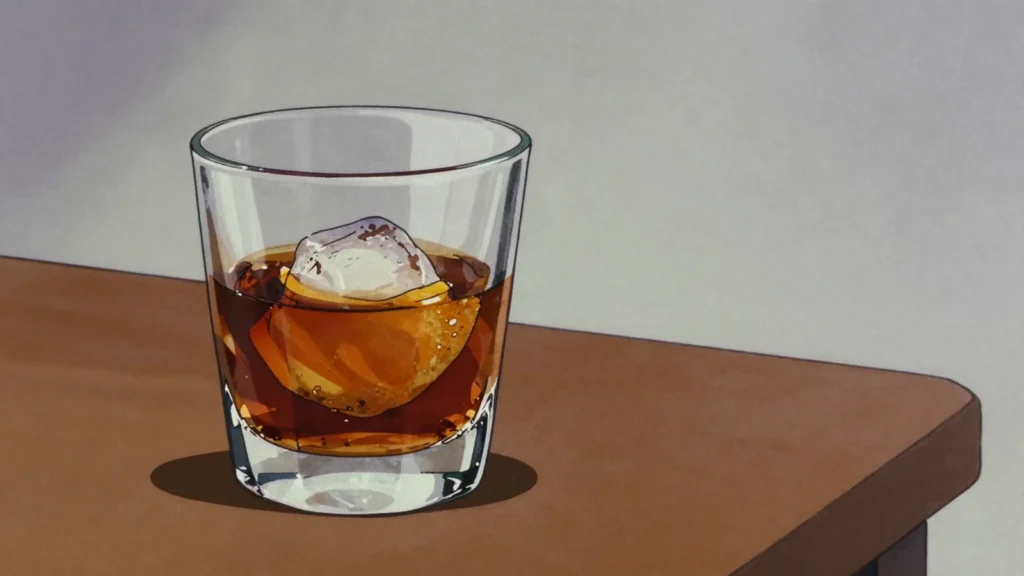
- 60 mlSanta Teresa 1796 or Selecto
- 1large clear ice cube (optional)
- 1strip of orange peel
The everyday Venezuelan serve
- 50 mlSanta Teresa Anejo
- 150 mlcold soda or cola
- 1lime wedge
- cubed ice
Directions
- Understand the raw material: Hacienda Santa Teresa, founded in 1796 at El Consejo in Aragua, works from cane molasses rather than fresh juice, which is what separates Venezuelan rum from French-island rhum agricole.
- The molasses is diluted and fermented with the house yeast for about 24 to 36 hours, producing a low-strength wash of roughly 6 to 8 per cent.
- The wash is distilled twice, in a combination of column and copper pot stills, the pot-still portion giving the heavy, oily fraction that carries the sweet fruit character.
- The spirit fills charred ex-bourbon barrels and rests in tropical warehouses, where heat drives an evaporation loss of several per cent a year and ages the rum far faster than a temperate climate would.
- For the 1796 bottling the barrels are then run through a solera: a stack of casks in which older rum is topped up from the tier above, blending vintages up to about 35 years old, and this is the only rum in the range made that way.
- Venezuela’s Denominacion de Origen Controlada requires a minimum of two years in oak and forbids added sugar or flavouring, so the sweetness you taste is barrel-derived.
- To drink it as an anejo is drunk in Caracas, pour 60 ml into a tulip or snifter, no ice, and let it sit two minutes; the dried fig, cocoa and toasted-oak notes need air to open.
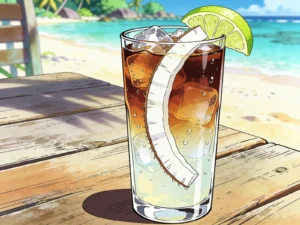
- For a longer drink, build 50 ml over cubed ice in a highball, top with cold soda or cola, squeeze and drop in a lime wedge, and stir once.
Technique
- This is a distilled product; there is no honest home version, and small-scale spirit distilling is illegal in most countries. Buy the bottle and treat this as a serving and tasting guide.
- Tropical ageing is not the same as Scottish ageing. A 12-year tropical rum has seen far more oak extraction than a 12-year Highland whisky, which is why very old Venezuelan rums can taste oak-heavy.
- The hacienda’s Proyecto Alcatraz, which recruits former gang members into a rugby team and into distillery jobs, is part of why the brand is a point of national pride and not only a drink.
Substitutions
- If you cannot find Santa Teresa, another DOC Ron de Venezuela such as Diplomatico or Cacique behaves the same way in a glass; a Guatemalan solera rum is the closest non-Venezuelan match, slightly sweeter.
Variations
- Rum Old Fashioned: 60 ml 1796, 5 ml cane syrup, two dashes of aromatic bitters, stirred over ice with orange peel.
- Rum and coconut water over ice is the standard Caribbean-coast Venezuelan beach serve.
History
Hacienda Santa Teresa in Aragua dates from 1796 and turned to rum in the 1880s; Venezuelan rum now holds a denomination of origin.
Frequently asked questions
What is Ron Santa Teresa?
Ron Santa Teresa is a wine & spirit from Venezuela: aged Aragua valley rum, sipped neat or over ice. Hacienda Santa Teresa in Aragua dates from 1796 and turned to rum in the 1880s; Venezuelan rum now holds a denomination of origin.
How long does Ron Santa Teresa take to make?
Ron Santa Teresa takes 3 min to build the serve of preparation and 4 to 35 years of barrel ageing at the hacienda of cooking. The recipe makes 1 serving to drink (production notes describe a 200-year-old distillery process). It is rated easy to make.
What can I substitute in Ron Santa Teresa?
Yes, within limits. If you cannot find Santa Teresa, another DOC Ron de Venezuela such as Diplomatico or Cacique behaves the same way in a glass; a Guatemalan solera rum is the closest non-Venezuelan match, slightly sweeter.
What is the most important thing to get right in Ron Santa Teresa?
Understand the raw material: Hacienda Santa Teresa, founded in 1796 at El Consejo in Aragua, works from cane molasses rather than fresh juice, which is what separates Venezuelan rum from French-island rhum agricole.