
Ingredients
In the vineyard
- Muscat de Frontignan (Muscat Blanc à Petits Grains) vines on decomposed granite slopes at Constantia
- cool Atlantic sea breezes off False Bay, to hold acidity
- berries left on the vine until they raisin, picked in 3 to 6 separate passes from February to April
In the cellar
- grapes pressed whole-bunch, very slowly, over many hours
- natural or selected yeasts able to work at 300 g per litre of sugar
- 500 litreFrench oak and acacia barrels, mostly older wood
- no fortifying spirit and no botrytis is sought
To serve
- 1 bottlechilled to 10–12°C (50–55°F)
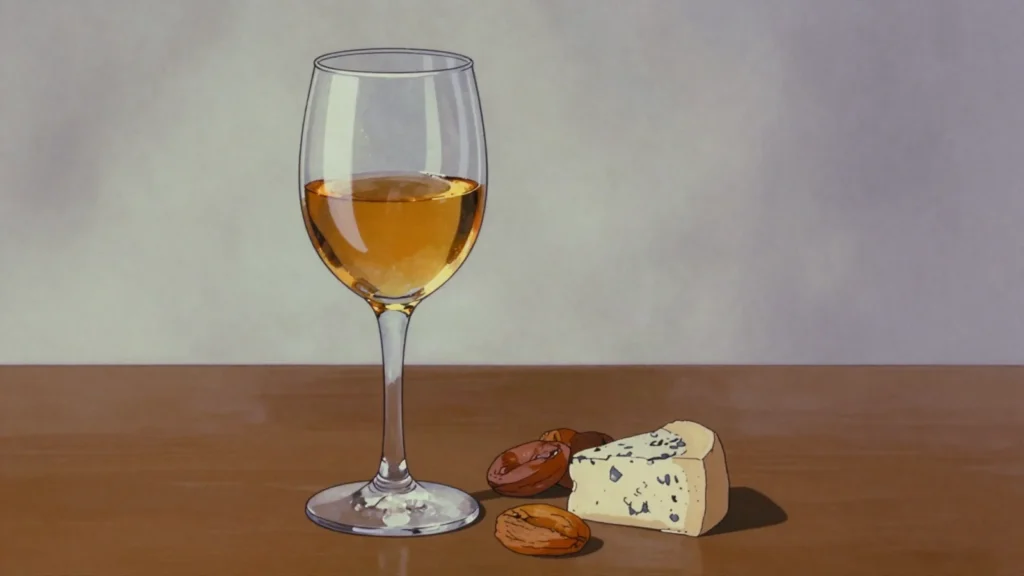
- small tulip-shaped dessert wine glasses, filled a third
- blue cheese, a fruit tart or a plain almond biscuit
Directions
- Leave the Muscat hanging long after normal harvest so the berries shrivel on the vine and concentrate their sugar.
- Pick selectively over several passes, taking only the bunches that have raisined properly, which is why yields are tiny.
- Press whole bunches very gently over many hours; the juice runs thick, amber and syrupy at around 400 g per litre of sugar. Ferment slowly and cool for anywhere from several weeks to a year, until the yeast stalls naturally at about 13–14 percent alcohol, leaving roughly 150–170 g per litre of residual sugar.
- Blend the barrels, bottle in the squat 500 ml bottle modelled on the original Constantia flask, and cellar before release. Expect orange peel, apricot, honey, ginger and a long, clean, saline finish; the acidity should stop it from cloying.
Technique
- It is unfortified, which sets it apart from most historic sweet wines: the sweetness comes only from raisined grapes and a stalled natural ferment.
- The original Constantia wines died out with phylloxera and the collapse of the estate in the late 19th century; the modern wine is a reconstruction based on historical records, not an unbroken line.
- Serving it too cold mutes the Muscat perfume entirely. Take it out of the fridge 10 minutes before pouring.
Substitutions
- For a comparable style, look to a Muscat de Beaumes-de-Venise (though fortified) or a late-harvest Muscat from Australia’s Rutherglen for the raisined character.
- A South African Straw Wine or a noble late harvest Chenin from the Cape is the closest domestic alternative at a fraction of the price.
Variations
- Grand Constance, the parallel bottling made at Groot Constantia on the neighbouring historic farm.
- Served as an aperitif with salty blue cheese rather than as a dessert wine, which is how the estate itself often pours it.
History
Made at Constantia since the 1680s, shipped to European courts and ordered by Napoleon in exile on St Helena; the wine was revived in 1986.
Frequently asked questions
What is Vin de Constance?
Vin de Constance is a wine & spirit from South Africa: golden sweet Muscat from Constantia, unfortified and honeyed. Made at Constantia since the 1680s, shipped to European courts and ordered by Napoleon in exile on St Helena; the wine was revived in 1986.
How long does Vin de Constance take to make?
Vin de Constance takes 15 min to serve of preparation and 3 to 4 years from harvest to release of cooking. The recipe makes 1 bottle (500 ml), 10 glasses. It is rated hard to make.
What can I substitute in Vin de Constance?
Yes, within limits. For a comparable style, look to a Muscat de Beaumes-de-Venise (though fortified) or a late-harvest Muscat from Australia’s Rutherglen for the raisined character. A South African Straw Wine or a noble late harvest Chenin from the Cape is the closest domestic alternative at a fraction of the price.
What is the most important thing to get right in Vin de Constance?
Pick selectively over several passes, taking only the bunches that have raisined properly, which is why yields are tiny.