
Ingredients
How it is made
- Molasses from imported and locally grown sugar cane, diluted to about 20 degrees Brix
- Cultured yeast, for a 36 to 48 hour ferment to roughly 8 percent alcohol
- Column and pot distillation to about 80 percent alcohol
- Ex-bourbon oak casks, for 2 to 6 years of tropical ageing at Trois Freres, Mahe
- Filtered Seychelles water, to bring the spirit to 38 to 43 percent
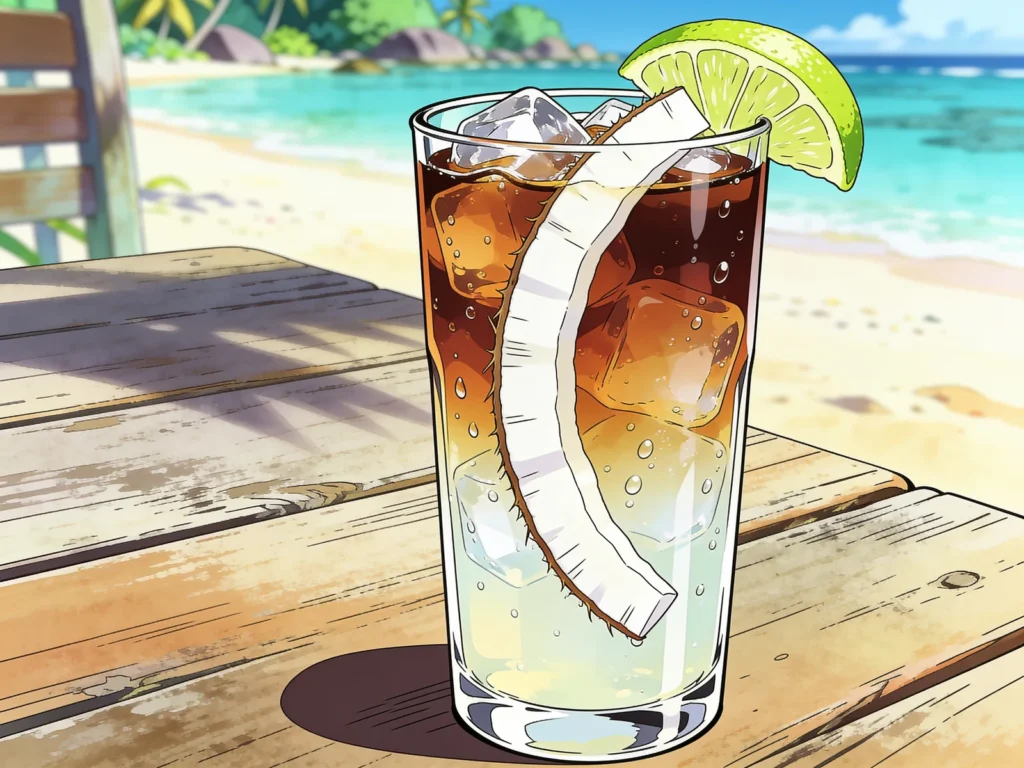
The serve: Takamaka and coconut water
- 50 mlTakamaka Dark or St Andre 8-year rum
- 120 mlfresh young coconut water, straight from the nut
- 10 mlfresh lime juice
- Ice cubes
- 1lime wedge and 1 strip of coconut flesh, to garnish
Neat serve
- 40 mlTakamaka St Andre or Zenn
- 1highball or a small tumbler
- No ice, or one large clear cube
Directions
- Know the spirit before you pour it. Takamaka is made by the Trois Freres Distillery at La Plaine St Andre on Mahe, founded by the D’Offay brothers in 2002, and it is named after the takamaka tree, Calophyllum inophyllum, that lines Seychellois beaches.
- The base is molasses, not fresh cane juice, so this is a traditional-style rum rather than a rhum agricole. A small proportion of the estate’s own cane is pressed and used in some expressions.
- The wash is fermented for 36 to 48 hours with cultured yeast, then distilled: column stills for the lighter white rums, a copper pot still for heavier, more estery marks.
- Ageing happens in ex-bourbon oak in a tropical climate, where the angels share runs at 6 to 10 percent a year rather than the 2 percent of a Scottish warehouse. A 5-year tropical rum has the oak extraction of a much older continental spirit.
- To make the classic island serve, fill a highball with ice and pour over the coconut water and lime juice.
- Add the rum last, pouring it down the side so it layers briefly before you stir. Stir 6 or 7 times with a bar spoon, no more; you want it cold and just combined, not aerated.
- Garnish with the lime wedge and a strip of young coconut flesh laid across the ice, and drink it while the coconut water is still cold and fresh; it loses its sweetness within an hour of opening the nut.
- For the neat serve, pour 40 ml of the aged St Andre into a small tumbler and leave it 5 minutes before drinking. In the Seychelles heat, ice is usual even for the aged expressions, but a single large cube dilutes far more slowly than several small ones.
Technique
- Do not attempt to distil this at home. Home distillation is illegal in most countries, including Seychelles, and badly run stills concentrate methanol and produce genuinely dangerous spirit. What you can do at home is the serve and the infusion.
- The flavoured expressions, particularly the coconut rum and the spiced Zepis Kreol, are made by macerating real coconut, vanilla, cinnamon and citrus peel in the rum, not by adding flavourings to neutral spirit.
- Tropical ageing is not a marketing line. High ambient temperature drives spirit in and out of the wood far faster, which is why Caribbean and Indian Ocean rums taste older than their stated age.
- Coconut water and rum is the everyday Seychellois serve, sold on the roadside with the top hacked off a green nut and the measure poured straight in.
Substitutions
- No Takamaka? Any decent molasses-based aged rum of 40 percent from the Indian Ocean or the Caribbean will make the same drink; avoid heavily sweetened spiced rums, which fight the coconut water.
- No fresh young coconut? Bottled coconut water works, but choose one with no added sugar and check that it is not from concentrate.
- For a longer drink, add 60 ml of soda water and serve in a taller glass.
Variations
- Takamaka and Coke with a lime wedge, the standard order in any Seychellois bar.
- A home infusion of white Takamaka with vanilla pods, cinnamon and a strip of orange peel, left 2 weeks and shaken daily, which is how many households make their own zepis.
- The Coco Loco, blending the coconut rum with pineapple juice and cream of coconut.
History
Distilled at Trois Frères on Mahé since 2002 and named after the takamaka tree that shades Seychelles beaches.
Frequently asked questions
What is Takamaka rum?
Takamaka rum is a wine & spirit from Seychelles: molasses rum aged in oak, drunk neat or with coconut water. Distilled at Trois Frères on Mahé since 2002 and named after the takamaka tree that shades Seychelles beaches.
How long does Takamaka rum take to make?
Takamaka rum takes 5 min of preparation and Aged 2 to 6 years at the distillery of cooking. The recipe makes 1 cocktail, plus notes for a bottle. It is rated easy to make.
What can I substitute in Takamaka rum?
Yes, within limits. No Takamaka? Any decent molasses-based aged rum of 40 percent from the Indian Ocean or the Caribbean will make the same drink; avoid heavily sweetened spiced rums, which fight the coconut water. No fresh young coconut? Bottled coconut water works, but choose one with no added sugar and check that it is not from concentrate. For a longer drink, add 60 ml of soda water and serve in a taller glass.
What is the most important thing to get right in Takamaka rum?
The base is molasses, not fresh cane juice, so this is a traditional-style rum rather than a rhum agricole. A small proportion of the estate’s own cane is pressed and used in some expressions.