
Ingredients
The dough
- 500 gplain flour
- 150 gbutter or shortening
- cold and cubed
- about 180 ml cold water
- 1 teaspoonsalt
- 1 teaspoonsugar
- 1 teaspoonbaking powder
The herring filling
- 300 gsmoked herring
- soaked and flaked
- 2onions, finely chopped
- 1red pepper, diced
- 3spring onions, chopped
- 3garlic cloves, crushed
- 1scotch bonnet, chopped
- 2 tablespoonstomato paste
- 3 tablespoonsoil
- thyme, salt and pepper
Or fill with
- shredded chicken
- cooked with the same seasoning
- or minced beef
To fry
- oil, for deep frying
Directions
- Cover it with hot water and soak it. Give it at least thirty minutes. Taste a flake to check the salt. It should still taste clearly salty. Soak it longer if it still is. They must be picked out carefully. Flake it and feel right through it. Cold fat is rubbed into the flour. Warm fat blends into the flour. Keep everything as cold as you can. Roll it out and fold it in three.
- Repeat that two or three times. Scotch bonnet is a very hot chilli. Wash with soap and plenty of water. Soak and flake the smoked herring. Pick out all the bones carefully. Heat the oil in a heavy frying pan. Add the chopped onion in to it. Cook it for about eight minutes.
- Add the diced red pepper to it. Cook it for about five minutes. Add the garlic, scotch bonnet and thyme. Cook them for a good two minutes. Add the flaked herring to the pan.
- Stir it through all of the pan. Add the tomato paste to the pan. Cook it for a few more minutes. Season the filling with pepper. Taste before adding any salt at all. It often needs none whatsoever. Stir in the chopped spring onion. It should stay fresh and green.
- Let the filling cool completely. Hot filling melts the fat in the dough. Cool it right down completely first. Put the flour, salt, sugar and baking powder in a bowl. Add all of the cold cubed fat. Rub it in to a coarse crumb texture. Leave visible pieces of fat in it. Do not rub it in completely smooth.
- Work quickly with cool dry hands. Add the cold water in gradually. Bring it together into a dough. Add only enough to bring it together. Too much water makes it tough. Add it in just a splash at a time. Wrap the dough and refrigerate it. Give it at least thirty minutes. Roll the dough into a rectangle. Fold it in three like a letter. Turn it and then roll it again.
- Repeat that twice more afterwards. Chill it between folds if it warms. Roll the dough out quite thin. About three millimetres is right. Cut it into rectangles or squares. Put filling on one half of each piece. Leave a clear border all round. Do not overfill any of them at all. Fold the dough over the filling.
- Press the edges together firmly. A dry edge opens right up in the oil. Press the edge down with a fork. Press it firmly into the edge. Check each one for gaps or cracks.
- Press any gaps closed before frying. Heating the oil takes attention. Pour the oil into a deep heavy pot. Fill it no more than half full. Heat it to about one hundred and eighty degrees. A deep pot of hot oil is genuinely dangerous. Keep a lid nearby to smother a flare-up. Never put water on an oil fire at all. Keep children well away from the pot. Lower two or three into the hot oil.
- Turn them and give three more minutes. Only the pastry needs cooking. Lift them out onto a wire rack. Let all the excess oil drip away. That softens the crust within minutes. Serve them hot from the fryer. They are sold at bus stops all day.
Technique
- Smoked herring is heavily salted and must be soaked before use or the filling is inedibly salty. Cover it with hot water, change the water once or twice, give it at least thirty minutes, then taste a flake — it should still taste clearly salty but not harsh. Pick out the fine bones carefully as you flake it.
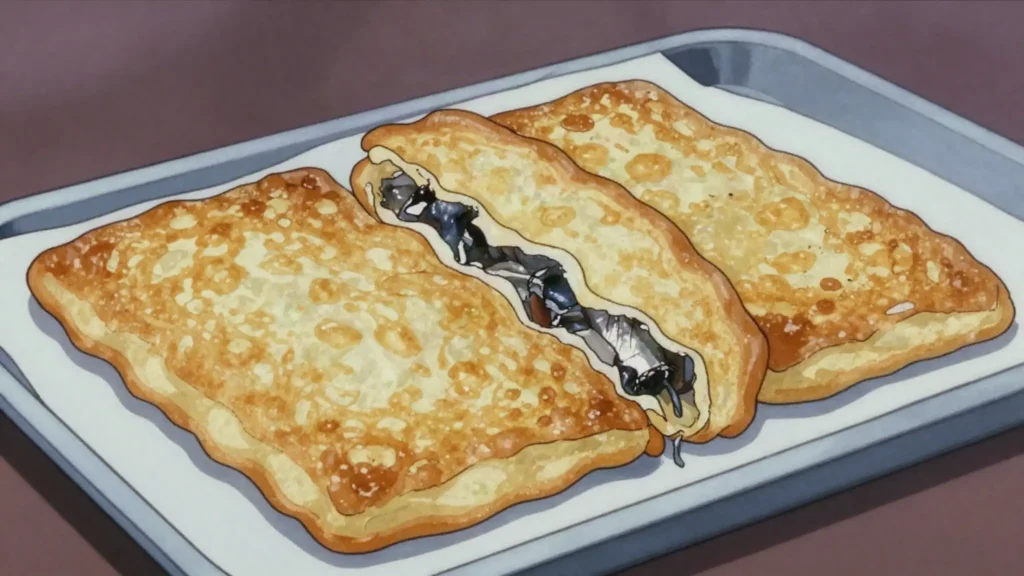
- The fat must stay cold and in visible pieces rather than rubbed in smooth: those pieces melt in the hot oil and the steam pushes the layers apart, which is what makes it flaky. Warm fat blends into the flour and gives a short crumbly dough that does not flake at all — and visible layers at the edges of a fried pate are the clearest feedback that it stayed cold.
- Capsaicin from the scotch bonnet transfers readily to hands and then to eyes and skin, causing real and lasting burning. It is oil soluble rather than water soluble, so water alone does not remove it — wear gloves, or wash with soap and plenty of water, or rub oil on first and then wash.
Substitutions
- Shredded chicken or minced beef cooked with the same seasoning stand in for the smoked herring.
- Rolling the dough out and folding it in three, then repeating twice more, triples the layers each time and makes it properly flaky; chill it between folds if it warms.
Variations
- Taste the filling before adding any salt, since the herring is already salty and it often needs none at all.
- Wet the border with water before folding, since a dry edge opens in the oil, and check every one for gaps before frying — filling escaping into the oil burns.
- Let the filling cool completely before shaping, since hot filling melts the fat in the dough and makes sealing impossible.
History
The Haitian street pastry sold from glass boxes at bus stops and outside schools throughout the day.
Frequently asked questions
What is Pate kòde?
Pate kòde is a street food from Haiti: flaky fried pastry stuffed with smoked herring, chicken or beef. The Haitian street pastry sold from glass boxes at bus stops and outside schools throughout the day.
How long does Pate kòde take to make?
Pate kòde takes 45 minutes plus resting of preparation and 25 minutes of cooking. The recipe makes about 16 pastries. It is rated hard to make.
What can I substitute in Pate kòde?
Yes, within limits. Shredded chicken or minced beef cooked with the same seasoning stand in for the smoked herring. Rolling the dough out and folding it in three, then repeating twice more, triples the layers each time and makes it properly flaky; chill it between folds if it warms.
What is the most important thing to get right in Pate kòde?
Cover it with hot water and soak it. Give it at least thirty minutes. Taste a flake to check the salt. It should still taste clearly salty. Soak it longer if it still is. They must be picked out carefully. Flake it and feel right through it. Cold fat is rubbed into the flour. Warm fat blends into the flour. Keep everything as cold as you can. Roll it out and fold it in three.