
Ingredients
The paste
- 150 gbird’s eye chillies
- stems removed
- 10garlic cloves, peeled
- 5cm ginger, peeled
- 2 teaspoonssalt
The oil
- 250 mlneutral oil
- or more, to cover
Sometimes added
- juice of 2 limes
- 2 tablespoonsvinegar
- a few curry leaves
- a little tamarind
To serve
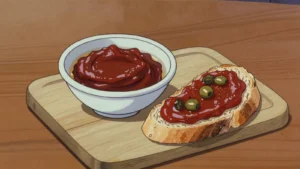
- spread very thinly on bread
- beside curries
- with rice
Directions
- Oil creates an oxygen-free environment. Acid prevents that growth as well. Keep it in the refrigerator rather than the cupboard. Use it within a couple of weeks.
- Add lime juice or vinegar to acidify it. Never leave a garlic and oil paste out at room temperature. Wash hands with soap and oil afterwards. Wash the board, knife and blender thoroughly. Do not lean over the blender when you open it. Put your gloves on before you start. Pull the stems off all the chillies. They must all come off completely.
- Rinse the chillies under cold water. Pat them completely dry afterwards. Peel all of the garlic cloves. Peel and roughly chop the ginger. Put the chillies in a blender. Add the garlic and the ginger. Add the salt and a little of the oil.
- Blend it down to a coarse paste. It should be crushed rather than pureed. Let it settle for a minute first. Turn your head away as you lift the lid. Heat the oil in a small heavy pan. Add the chilli paste to the hot oil. Frying it takes about ten minutes.
- Let it fry gently over a low heat. Stir it regularly as it cooks. Give it about ten full minutes. Keep it low and stir it constantly. It should sizzle gently rather than fiercely. Oil rising clear is the sign it is ready. Stir in the lime juice or the vinegar. Let it cook for two more minutes. Take the pan right off the heat.
- Let it cool right down completely. Hot paste in a sealed jar creates condensation. Let it cool right down first instead. Spoon the cooled paste into a clean jar. Press it down to remove air pockets.
- Pour more oil over to cover it completely. The oil should sit above the paste. Keep the jar in the refrigerator. Use a clean dry spoon every time. A wet or dirty spoon introduces contamination. Use it within about two weeks.
- Discard it if it smells or looks at all wrong. Serving it is done in tiny quantities. Spread it very thinly on bread. Start with far less than you think. It is genuinely very hot indeed.
Technique
- Garlic and chilli under oil carry a real botulism risk: Clostridium botulinum spores survive on garlic, oil creates an oxygen-free environment, and low-acid food under oil at room temperature lets them grow. Keep the jar refrigerated rather than in a cupboard, add lime juice or vinegar to acidify it, cook the paste rather than jarring it raw, and use it within about two weeks. Never leave a garlic and oil paste out at room temperature.
- This uses a large quantity of very hot chilli: wear gloves, never touch your eyes while working, and wash hands, board, knife and blender thoroughly afterwards, since capsaicin is oil-soluble and stays on skin for hours. Blending this much releases irritant vapour, so open a window and turn your head away as you lift the lid.
- Dry the chillies thoroughly before blending and let the cooked paste cool completely before jarring: water in an oil preserve gives bacteria something to grow in, and hot paste in a sealed jar creates condensation that sits on top. Always use a clean dry spoon.
Substitutions
- It was traditionally pounded in a mortar, which gives a better texture than a blender but is far more work.
- Lime juice or vinegar both acidify it and are worth adding for safety as well as flavour.
Variations
- Curry leaves or a little tamarind go in in some versions.
- The name comes from Malagasy, one of many threads in Mauritian Creole.
- It is spread in a very thin smear rather than spooned, being genuinely very hot.
History
The name comes from Malagasy; the paste is preserved in oil and spread thinly on bread or served beside curries.
Frequently asked questions
What is Mazavaroo?
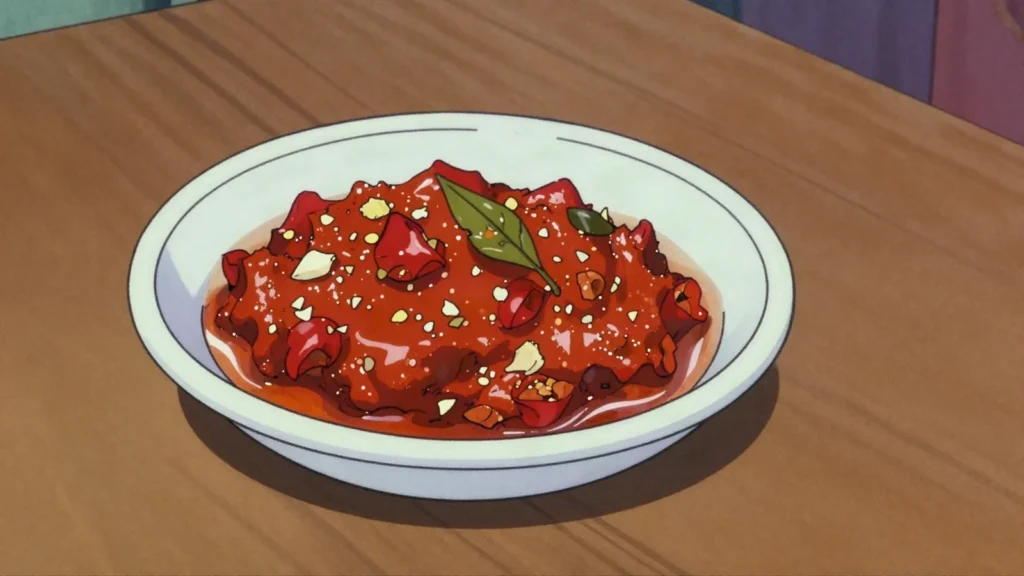
Mazavaroo is a sauce & condiment from Mauritius: blistering paste of crushed bird’s eye chili, garlic and ginger in oil. The name comes from Malagasy; the paste is preserved in oil and spread thinly on bread or served beside curries.
How long does Mazavaroo take to make?
Mazavaroo takes 20 minutes of preparation and 15 minutes of cooking. The recipe makes one small jar. It is rated easy to make.
What can I substitute in Mazavaroo?
Yes, within limits. It was traditionally pounded in a mortar, which gives a better texture than a blender but is far more work. Lime juice or vinegar both acidify it and are worth adding for safety as well as flavour.
What is the most important thing to get right in Mazavaroo?
Oil creates an oxygen-free environment. Acid prevents that growth as well. Keep it in the refrigerator rather than the cupboard. Use it within a couple of weeks.