The sticky brown pulp inside the pod of a tropical tree — sour, fruity and a little sweet, the souring agent of Indian, Thai, Mexican and West African cooking and the taste behind Worcestershire sauce.
Where it comes from
The tamarind tree is African in origin, from the dry savannahs of Sudan and the Sahel, but it was in India that it became a staple, and its name comes from the Arabic tamr hindi, ‘Indian date’. From India it spread across Southeast Asia, and the Spanish and Portuguese carried it to Mexico and the Caribbean, where it took so completely that Mexican agua de tamarindo and tamarind sweets are as native as anything.
The pods hang in bunches and dry on the tree into brittle brown shells around a fibrous, date-like pulp studded with hard seeds. The pulp is the ingredient: pressed into blocks with the seeds and fibres still in, or strained into a smooth concentrate. Its sourness is tartaric acid rather than citric, which gives it a rounder, more complex sharpness than lemon or vinegar, with fruit behind it.
Varieties
- Sour tamarind — The common Indian and Thai kind: sharp, dark, sold as compressed blocks of pulp. The souring agent for sambar, rasam, pad thai and chutneys.
- Sweet tamarind — Thai varieties bred for eating fresh from the pod — sweet-sour, chewy, sold in the shell as a snack.
- Tamarind concentrate — The strained pulp cooked down to a thick, dark paste. Convenient, very sour, and inconsistent between brands — taste before measuring.
- Green tamarind — The young pod, picked before it ripens. Intensely sour; used in some Indian and Filipino dishes and eaten with salt and chilli.
In the kitchen
From a block, break off a piece, soak it in hot water for fifteen minutes, then work it with your fingers and push it through a sieve, leaving the seeds and fibres behind. The liquid is tamarind water, the form most Indian and Thai recipes actually want; how much block per how much water sets the strength.
It balances sweetness and heat — which is why it sits beside palm sugar and chilli in pad thai and in Thai and Indian sauces, and beside dates in chutney. Add it towards the end; long cooking dulls its fruit.
Choosing and keeping
Blocks of pulp keep almost indefinitely in a cool cupboard, darkening and drying with age but not spoiling; wrapped and refrigerated they stay pliable. Concentrate keeps for months in the fridge once opened.
A block should be dark brown and slightly sticky, not black and hard. Concentrates vary hugely in strength and some are cooked until bitter; a good one tastes fruity as well as sour.
Dishes with tamarind
 Mee RebusYellow noodles in thick sweet potato and prawn gravy with egg and lime
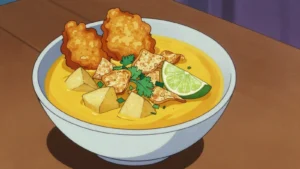 Urojotangy turmeric-mango soup topped with bhajia, potatoes and chutneys
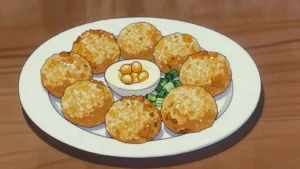 Mont Lin Ma YarGriddled quail-egg rice puffs joined in pairs, 'husband-and-wife snack'
 Bajiyablack-eyed pea fritters spiced with garlic and chili
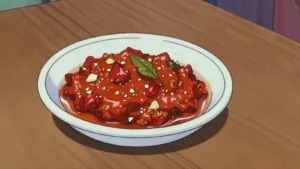 MazavarooBlistering paste of crushed bird's eye chili, garlic and ginger in oil
 Kunun zakilightly fermented millet drink spiced with ginger and tamarind, served cold
 Gaeng SomSour orange curry of fish and vegetables, sharp with tamarind and no coconut
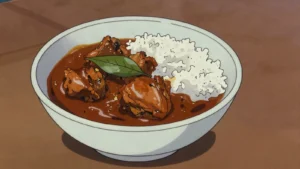 Kukul Mas CurryChicken curry in roasted spice and coconut gravy
Tamarind is tagged on 125 dishes from 54 countries in the atlas. These notes are written from general knowledge and carry no per-fact citation — see About.