
Ingredients
Dough
- 500 gplain flour
- or half wholemeal
- 1 teaspoonsalt
- about 300 ml warm water
- 2 tablespoonsoil
Meat
- 1 kglamb on the bone
- in large pieces
- 3 tablespoonsghee
- 2onions, chopped
- 6garlic cloves, crushed
- 3cm ginger, grated
The pot
- 4tomatoes, chopped
- 3 tablespoonstomato purée
- 2 tablespoonsbezar
- or mixed Gulf spice
- 1 teaspoonground turmeric
- 3dried limes, pierced
- 1cinnamon stick
- 3carrots, in chunks
- 1small pumpkin, in chunks
- 2potatoes, in chunks
- 2courgettes, in chunks
- about 2.5 litres water
- salt and black pepper
To serve
- in one large bowl
- at iftar in Ramadan
- a chopped salad
Directions
- Put the flour and salt in a large bowl. Make a well in the middle of it. Add warm water gradually as you work. Bring it together into a firm dough. It should be firm rather than soft. Knead it for a good ten minutes. It should become smooth and elastic.
- Wrap the dough and let it rest. Give it at least thirty minutes. Heat the ghee in a very large pot. Add the lamb pieces in batches. Brown them well on all of their sides. Do not crowd the pot at any point. Add the chopped onions to the pot. Cook them for a good ten minutes.
- Add the garlic and the grated ginger. Cook them for two more full minutes. Add the bezar and the turmeric. Fry them for thirty seconds only. Add the chopped tomatoes to the pot. Add the tomato purée along with them. Cook them down for about eight minutes. Put the browned lamb back in the pot.
- Add the pierced dried limes to it. Add the cinnamon stick to the pot. Add the water and a little salt. Bring it up to a gentle simmer. Cover the pot and let it cook on. Give it at least ninety full minutes. Cook it on if it still resists.
- Add the carrots and the potatoes first. Give them about ten full minutes. Add the pumpkin and the courgettes. Give them about eight minutes. Divide the dough into several pieces. Roll each one out very thin indeed. Take it down to about one millimetre. It should be nearly see-through.
- Work on a lightly floured surface. Turn the sheet often as you roll. Tear the sheet into rough pieces. Drop them straight into the pot. That is why it is done by hand. Add the pieces a few at a time.
- Take a little time over doing it. Cooking them takes twenty minutes. Cover the pot and simmer it gently. Give the dough about twenty minutes. Stir it gently every now and then. Stir gently rather than vigorously. Turn it over rather than stirring. Judging the dough takes a taste.
- Add hot water if it goes too far. Taste it and adjust the salt as needed. Add plenty of black pepper as well. They turn bitter if left in too long. Remove them once they have given their flavour. Serving it is done in one large bowl. Ladle it into a wide communal bowl. Add a chopped salad on the table. It keeps three days refrigerated.
Technique
- The atlas also carries margoog from Saudi Arabia: essentially the same dish, with both names coming from the same Arabic root relating to making something thin. The Qatari version tears the dough straight into the pot where the Saudi one often cuts it into discs first, and the spice blends and vegetables differ a little.
- The dough is rolled to about a millimetre, nearly see-through, and torn rather than cut: torn edges are irregular and thicker, hold the sauce better than cut ones and are far quicker to make. It must be well rested first, since unrested dough cannot be rolled that thin at all.
- Starch leaches from the dough as it cooks and thickens the broth, taking the stew from soupy to substantial; that is the whole point of the dough, and it needs about twenty minutes at a gentle simmer, turned over rather than stirred so the pieces do not break up.
Substitutions
- Margoog in Saudi Arabia is essentially the same dish under a spelling variant.
- A pasta machine rolls the sheets far thinner than a rolling pin.
Variations
- The vegetables vary with the season, with pumpkin, courgette, carrot and potato usual.
- It is eaten at iftar in Ramadan and through the winter alike.
- Bezar, the Gulf spice mixture, is blended differently by every household.
History
Winter and Ramadan dish in which dough is rolled paper-thin and torn straight into the pot.
Frequently asked questions
What is Marqooqa?
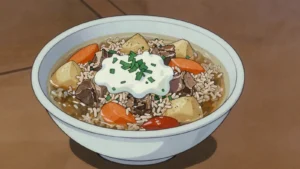
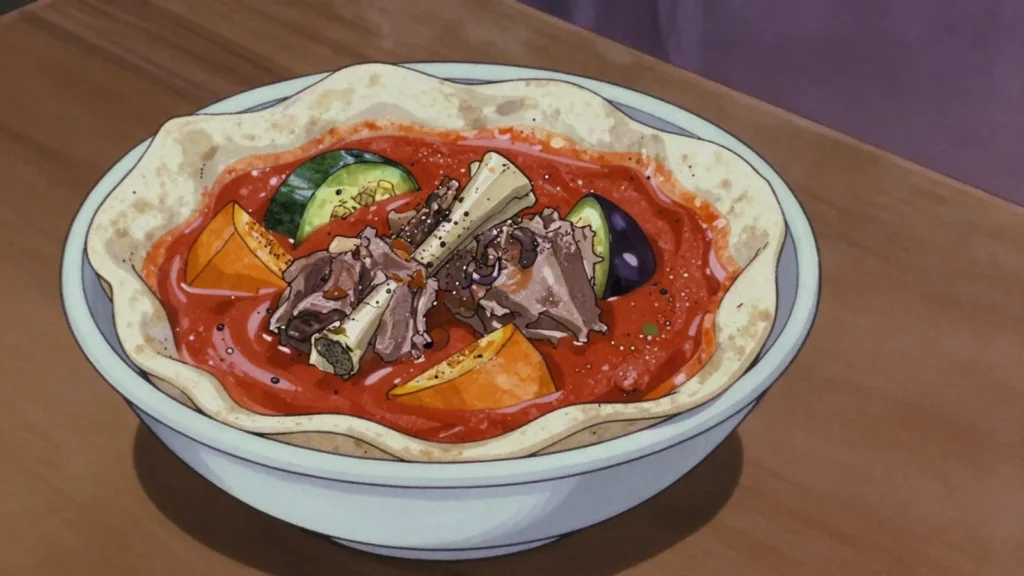
Marqooqa is a soup & stew from Qatar: thin dough sheets simmered in spiced meat and vegetable broth. Winter and Ramadan dish in which dough is rolled paper-thin and torn straight into the pot.
How long does Marqooqa take to make?
Marqooqa takes 45 minutes plus resting of preparation and 2 hours of cooking. The recipe makes serves 8. It is rated hard to make.
What can I substitute in Marqooqa?
Yes, within limits. Margoog in Saudi Arabia is essentially the same dish under a spelling variant. A pasta machine rolls the sheets far thinner than a rolling pin.
What is the most important thing to get right in Marqooqa?
Put the flour and salt in a large bowl. Make a well in the middle of it. Add warm water gradually as you work. Bring it together into a firm dough. It should be firm rather than soft. Knead it for a good ten minutes. It should become smooth and elastic.