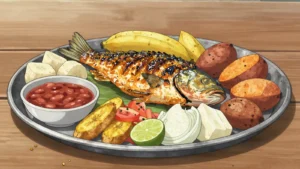
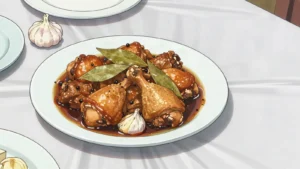
Ingredients
Pit and fire
- a pit about 1 m across and 50 cm deep
- dry hardwood and coconut husks
- 30–40dry volcanic stones, fist-sized
- banana leaves, softened over a flame, plus coconut fronds
- clean hessian sacks, soaked in water
Meat and fish
- 1whole chicken, jointed, or 2 kg chicken pieces
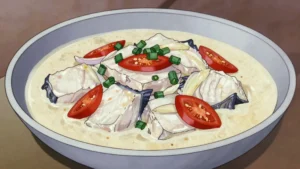
- 1.5 kgwhole fish, scaled and gutted
- 3 tbspsalt
- 2lemons
Palusami
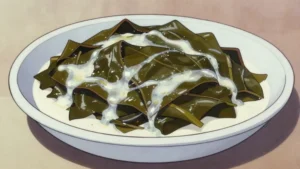
- 40large taro (dalo) leaves, stems removed
- 600 mlthick coconut cream
- 1onion, finely diced
- 1tomato, diced (optional)
- 2 tspsalt
Root crops
- 2 kgdalo (taro), peeled
- 1.5 kgcassava, peeled and halved
- 6ripe plantains or 1 breadfruit, in wedges
Directions
- Leave no gap, or the cream leaks and burns. Rake out the embers and level the hot stones across the base of the pit, then lay a thick bed of banana leaves over them.
- Cover with more banana leaves and coconut fronds, then the wet sacks, then shovel earth over the whole mound, chasing every wisp of escaping steam with more soil.
- Leave it completely undisturbed for 2 ½ to 3 hours. Do not open it to check; every opening loses the heat that is doing the cooking.
- Uncover carefully from one side, brushing the soil away from the food rather than into it. The chicken should be falling from the bone, the taro floury, and the palusami collapsed into a dark green cream.
Technique
- A lovo is a communal event cooked for weddings, church gatherings and Sunday lunch. Digging the pit and heating the stones is the men’s work and the parcels are made by the women.
- Use dry volcanic stone only. Wet or porous river stones trap water and can explode violently in the fire.
- Sealing the mound completely is what makes the method work; a lovo that has been venting steam for three hours will come up raw in the middle.
- Taro leaves contain calcium oxalate and must be cooked right through. Properly cooked palusami is soft and dark with no scratch at the back of the throat.
Substitutions
- Without a pit, wrap the same parcels in banana leaf and foil and cook them in a covered kettle barbecue over low indirect charcoal with soaked wood chips for about 2 hours. Spinach can stand in for taro leaves and needs only 40 minutes.
Variations
- Palusami is often made on its own and baked in an oven or under coals as an everyday dish.
- For major celebrations a whole pig goes into the pit, which pushes the cooking time out to five hours or more.
History
An earth oven cooking method closely related to the Samoan umu and other Pacific Islander earth ovens, using heated stones covered with banana or other broad leaves to slow-cook large quantities of meat, fish and root vegetables for community feasts and significant celebrations across Fiji. Its preparation typically requires substantial communal labor, digging the pit, gathering and heating stones, and wrapping the food, reflecting the dish’s role as much as a social and ceremonial occasion as a cooking method in its own right, similarly to related earth-oven traditions found across the wider Pacific Islands region. A lovo feast remains closely associated in Fiji with major celebrations, including weddings and church or community gatherings, rather than treated as an everyday cooking method for routine meals.
Frequently asked questions
What is Lovo?
Lovo is a main from Fiji: earth-oven banquet of chicken, fish, taro and palusami for celebrations. An earth oven cooking method closely related to the Samoan umu and other Pacific Islander earth ovens, using heated stones covered with banana or other broad leaves to slow-cook large quantities of meat, fish and root vegetables for community feasts and significant celebrations across Fiji. Its preparation typically requires substantial communal labor, digging the pit, gathering and heating stones, and wrapping the food, reflecting the dish’s role as much as a social and ceremonial occasion as a cooking method in its own right, similarly to related earth-oven traditions found across the wider Pacific Islands region. A lovo feast remains closely associated in Fiji with major celebrations, including weddings and church or community gatherings, rather than treated as an everyday cooking method for routine meals.
How long does Lovo take to make?
Lovo takes 2 hr of preparation and 3 hr of cooking. The recipe makes 10–12 people. It is rated hard to make.
What can I substitute in Lovo?
Yes, within limits. Without a pit, wrap the same parcels in banana leaf and foil and cook them in a covered kettle barbecue over low indirect charcoal with soaked wood chips for about 2 hours. Spinach can stand in for taro leaves and needs only 40 minutes.
What is the most important thing to get right in Lovo?
Cover with more banana leaves and coconut fronds, then the wet sacks, then shovel earth over the whole mound, chasing every wisp of escaping steam with more soil.