
Ingredients
Bread
- 400 gstale dark rye bread
- leib, Estonian black bread
- 1.5 litreswater
The pot
- 3apples, peeled and chopped
- 100 graisins
- 100 gprunes, stoned and chopped
- or dried apricots
- 150 gsugar
- or to taste
- 2 teaspoonsground cinnamon
- a strip of lemon zest
- a pinch of salt
To serve
- 250 mldouble cream
- whipped
- or thick soured cream
- a little sugar for the cream
Directions
- Use the darkest rye bread you can find. The finished pudding is a smooth puree. Cut the stale rye bread into pieces. Remove any of the very hard crusts. They do not break down fully at all.
- Cut them off or accept the texture. Put the bread pieces in a large pot. Pour all of the water over them. Let them soak for at least two hours. Dry rye bread is very hard indeed. Break it up with a spoon as it soaks. Add the chopped apples to the pot.
- Add the raisins and the prunes. Add the sugar and the cinnamon. Add the lemon zest and the salt. Bring it up to a gentle simmer. Cooking it takes about half an hour.
- Cover it and simmer it gently. Stir it regularly as it cooks. Give it about thirty full minutes. Stir right into the corners each time. Lower the heat if it starts to stick. Let it cool down slightly first. Hot liquid expands violently in a blender. Hold the lid down with a folded cloth. Blending it properly takes time.
- Blend it until it is completely smooth. Give it a good full minute of it. Blend it longer than seems necessary. Press it through with a ladle. Prune skins do not blend fully. Add water if it is too thick still.
- Leave it looser than you want it. Taste it and adjust the sugar. Add more cinnamon if you want it. It should be clearly sweet enough. Pour it into a bowl or into bowls. Cover it over and refrigerate it. Give it at least four full hours.
- Press film onto the surface to prevent it. Pour the cold cream into a cold bowl. Add a little sugar to it as well. Whip it until it holds soft peaks. Soft peaks fold over at the tip. Spoon the pudding out into bowls. Add a generous spoonful of cream. Dust a little cinnamon over it. It keeps four days refrigerated.
Technique
- Estonian leib is a dark sourdough rye whose sourness carries into the pudding and balances the sugar; without it the result is simply sweet, and white bread gives a bland flat version. Use the darkest rye you can find.
- Dry rye bread is very hard and needs at least two hours of soaking, and overnight is better, since a short soak leaves hard lumps that never break down; cut off very hard crusts, which do not break down fully either.
- Hot liquid expands violently in a blender and the lid can blow off and scald, so let it cool slightly, never fill the jug more than half full, hold the lid down with a folded cloth, or use a stick blender in the pot.
Substitutions
- Dried apricots stand in for prunes and give a lighter result.
- Thick soured cream in place of whipped cream gives a sharper contrast.
Variations
- Some cooks sieve out the fruit skins and others leave them in deliberately.
- Latvian, Lithuanian and Scandinavian stale bread puddings are close relatives.
- It is served cold with cream, which is the usual Estonian way.
History
A thrift dessert that turned stale black bread into a pudding, boiled with dried fruit and sugar and served cold.
Frequently asked questions
What is Leivasupp?
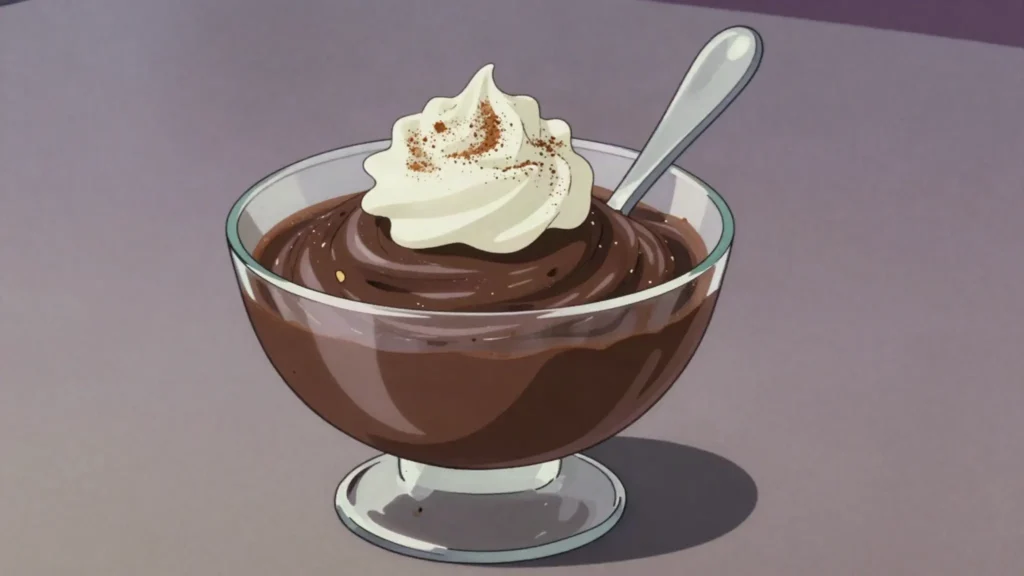
Leivasupp is a dessert from Estonia: sweet purée of dark rye bread with apple, cinnamon and whipped cream. A thrift dessert that turned stale black bread into a pudding, boiled with dried fruit and sugar and served cold.
How long does Leivasupp take to make?
Leivasupp takes 20 minutes plus soaking of preparation and 40 minutes of cooking. The recipe makes serves 6. It is rated easy to make.
What can I substitute in Leivasupp?
Yes, within limits. Dried apricots stand in for prunes and give a lighter result. Thick soured cream in place of whipped cream gives a sharper contrast.
What is the most important thing to get right in Leivasupp?
Use the darkest rye bread you can find. The finished pudding is a smooth puree. Cut the stale rye bread into pieces. Remove any of the very hard crusts. They do not break down fully at all.