The grains and pseudo-grains outside wheat, rice and maize — buckwheat, rye, spelt, teff, quinoa, amaranth — each the staple of a cold, dry or high place where the big three struggled, and each with a flavour of its own that the world is now rediscovering.
Where it comes from
Buckwheat is not a wheat or a grass but a relative of rhubarb, with a triangular seed and an earthy, nutty flavour; it grows fast in poor soil and cool summers and became the grain of Russia, Ukraine and Poland (kasha, the roasted groats), of Brittany (galettes, the savoury crêpes), of northern Japan (soba noodles) and of the Himalayas. Rye is a true grass that thrives where wheat freezes, and it is the bread grain of northern and eastern Europe — the dark, dense, sour rye loaves of Germany, Scandinavia, Russia and the Baltics, and the base of rye whisky and Polish żubrówka.
Spelt, emmer and einkorn are the ancient wheats, less bred and lower-yielding, with nutty flavours and gluten that is present but weaker; teff is the tiny Ethiopian grain fermented into injera, the sour flatbread the country eats on; quinoa and amaranth are the Andean and Mesoamerican seeds, eaten as grains, that the Incas and Aztecs grew as staples and that fell out of use under Spanish rule before their recent revival. Oats have their own page.
Varieties
- Buckwheat groats (kasha) — Whole hulled seeds, raw (pale green) or roasted (brown); simmered like rice for Russian and Polish kasha, or in kasha varnishkes.
- Buckwheat flour — Grey, earthy; for Breton galettes, Russian blini, Japanese soba, and Italian pizzoccheri.
- Rye flour and rye bread — Light to dark rye flour; the sourdough rye loaves of Germany and Scandinavia, pumpernickel, Finnish ruisleipä.
- Spelt, emmer, einkorn (farro) — The ancient wheats: whole grains for salads and soups (farro), or flour for nutty breads.
- Teff — Tiny Ethiopian grain, ivory to dark; fermented into injera batter.
- Quinoa and amaranth — Andean and Mesoamerican seeds; rinsed and simmered like rice, or popped (amaranth) for sweets.
In the kitchen
Roasted buckwheat groats are toasted in a dry pan or with butter and an egg to keep the grains separate, then simmered in twice their volume of water or stock for 15 minutes and rested — kasha. Buckwheat flour makes a thin lacy crêpe (galette) with water and salt alone, or a yeasted blini with milk and egg. Soba is a skilled dough of buckwheat and a little wheat, cut thin and boiled briefly.
Rye flour has little gluten and makes a dense, moist, tangy loaf; it needs a sourdough starter or a long ferment, plenty of water and a low, long bake, and it is better the second day. Farro is simmered 20–30 minutes and dressed warm with oil and lemon or added to soup. Quinoa is rinsed to remove its bitter coating, then cooked like rice for 15 minutes. Teff batter ferments two or three days before it is poured onto a hot plate for injera.
Choosing and keeping
Whole grains keep a year or more sealed and cool; flours less, and buckwheat and rye flours, which carry their germ, are better kept in the fridge and used within a few months. Rancid whole-grain flour smells bitter and paint-like.
Buckwheat is gluten-free; spelt and rye are not, despite occasional claims. Buy roasted buckwheat from Polish and Russian shops as kasha; unroasted from health-food shops. Teff is sold by Ethiopian grocers.
Dishes with buckwheat
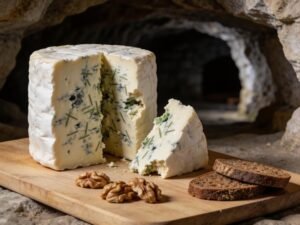 RoquefortSharp blue ewe's milk cheese ripened in limestone caves, eaten with walnuts.
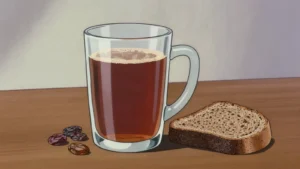 GiraLithuanian kvass brewed from rye bread or caraway.
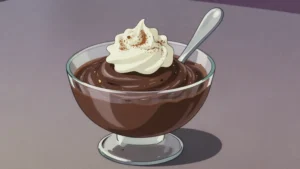 LeivasuppSweet purée of dark rye bread with apple, cinnamon and whipped cream.
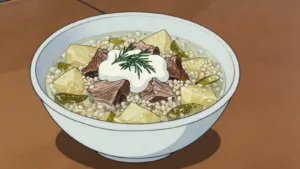 Rassolnikpickle and barley soup, tangy and warming
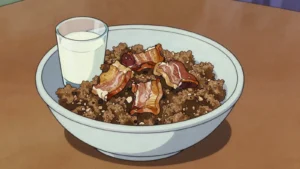 Ajdovi žgancibuckwheat spoonbread topped with cracklings
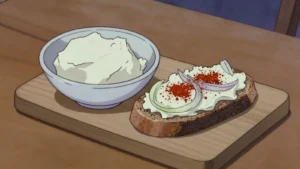 BryndzaSoft, salty, spreadable sheep's cheese stirred through halušky or spread on bread.
 Rupjmaizes kārtojumsLayers of toasted rye crumbs, cranberry jam and whipped cream in a glass.
 SklandrausisSweet rye tartlet of carrot and potato, Courland heritage.
Buckwheat, rye and the other grains is tagged on 117 dishes from 32 countries in the atlas. These notes are written from general knowledge and carry no per-fact citation — see About.