
Ingredients
Aubergines
- 700 gimpwa
- small pale African aubergines
- or 700 g garden eggs
- salt, for the soaking water
The pot
- 2onions, chopped
- 3garlic cloves, crushed
- 2tomatoes, chopped
- 3 tablespoonsoil
- 1stock cube
- about 300 ml water
- salt and black pepper
Groundnut
- 150 ggroundnut flour
- or 4 tablespoons groundnut paste
- warm water, to loosen
To serve
- nshima, thick maize porridge
- cooked greens
- dried or fresh fish
Directions
- Discard any nuts that are shrivelled or discoloured. Discard any that smell musty or taste bitter. They should be firm and unwrinkled. Wash the impwa very thoroughly. Cut off the green calyx at the top. Leave any of the small ones whole.
- Cut larger ones in half or in quarters. The skin is thin and entirely edible. Put the cut impwa in salted water. Leave them for about twenty minutes. Drain them and rinse them well. Skip this if you want them at full bitterness. Heat the oil in a wide heavy pan. Add the chopped onions to the pan.
- Cook them for a good eight minutes. Add the crushed garlic to them. Cook it for a good two minutes. Add the chopped tomatoes to the pan. Cook them down for about six minutes.
- Add all the impwa into the pan. Stir them through the tomato base. Add the water and the stock cube. Season it with salt and black pepper. Bring it up to a gentle simmer. Cooking them takes about twenty minutes. Cover the pan and lower the heat. Let them cook until they are tender.
- Shake the pan rather than stirring hard. Judging when they are done matters. Take them off the moment they are tender. Loosen the groundnut flour with warm water first. Take a ladle of liquid from the pan. Mix it into the flour until smooth. Adding it dry gives lumps that never disperse.
- Let it cook for another ten minutes. Stir it regularly so it does not catch. Oil rises to the surface as it does. Boil the impwa in water until soft. Drain them all very thoroughly. Pound them in a mortar with groundnut flour. Add salt and pound to a coarse paste. It should be thick and clinging.
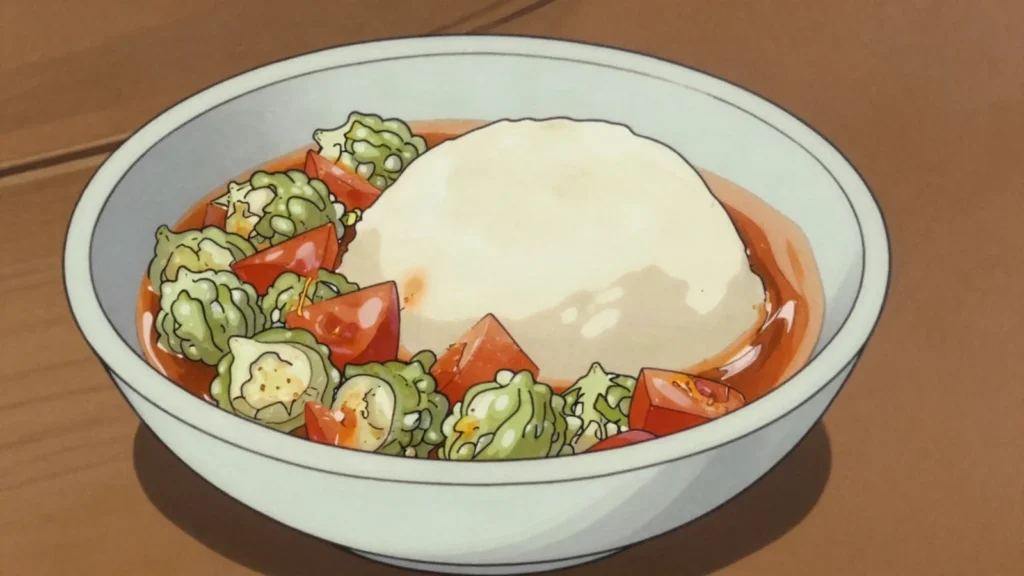
- Add water if it goes too thick. Serving it is done hot as a relish. Spoon it beside a mound of nshima. Nshima is the thick Zambian maize porridge. Pinch off nshima and scoop with it. It keeps two days refrigerated.
Technique
- Impwa is Solanum aethiopicum, an African aubergine genuinely different from the purple Solanum melongena, with small round pale cream, white or green fruit; Solanum macrocarpon, grown more for its leaves, is the gboma of Togo and Benin.
- The bitterness is the reason impwa are grown rather than a fault to be cooked away, and groundnut is its standard partner because the rich fatty peanut balances it; neither works as well without the other.
- Groundnuts can carry aflatoxin, a mould toxin linked to liver damage and liver cancer that roasting does not destroy, so discard any that are shrivelled, discoloured, musty or bitter.
Substitutions
- Garden eggs from West African shops are usually the same species and work identically.
- Groundnut paste can replace groundnut flour, loosened with warm liquid first.
Variations
- Boiled and pounded with groundnut in a mortar is the other traditional method.
- Some cooks soak the cut fruit in salted water to reduce the bitterness.
- Similar African aubergines are eaten across West and Central Africa.
History
An indigenous African aubergine grown in kitchen gardens and eaten for its bitterness, which Zambians pair with peanut sauce.
Frequently asked questions
What is Impwa?
Impwa is a salad & side from Zambia: small pale bitter aubergines stewed whole or pounded with groundnut. An indigenous African aubergine grown in kitchen gardens and eaten for its bitterness, which Zambians pair with peanut sauce.
How long does Impwa take to make?
Impwa takes 20 minutes of preparation and 35 minutes of cooking. The recipe makes serves 6. It is rated easy to make.
What can I substitute in Impwa?
Yes, within limits. Garden eggs from West African shops are usually the same species and work identically. Groundnut paste can replace groundnut flour, loosened with warm liquid first.
What is the most important thing to get right in Impwa?
Shake the pan rather than stirring hard. Judging when they are done matters. Take them off the moment they are tender. Loosen the groundnut flour with warm water first. Take a ladle of liquid from the pan. Mix it into the flour until smooth. Adding it dry gives lumps that never disperse.