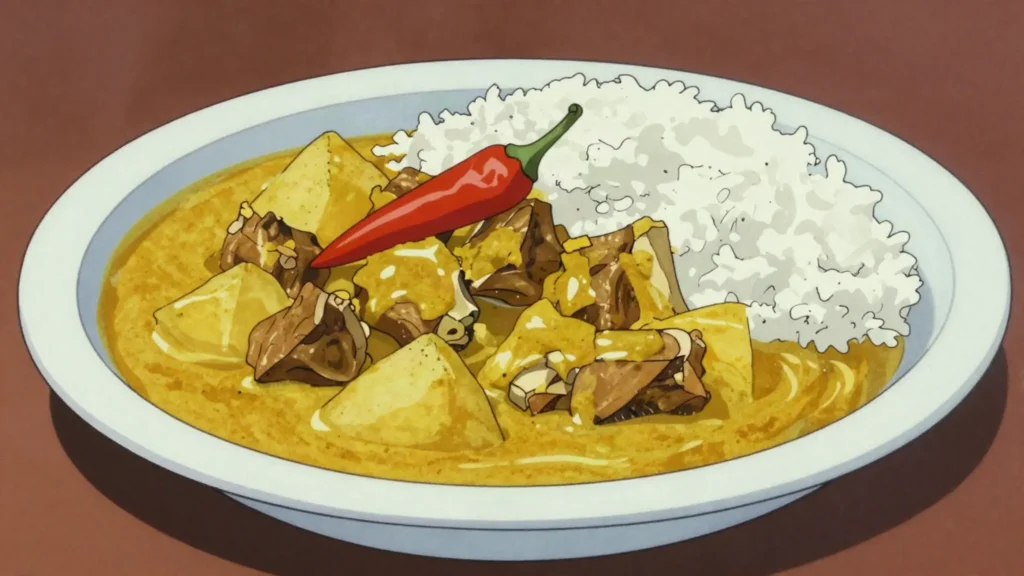

Ingredients
Meat and seasoning
- 1.5 kggoat shoulder and leg on the bone, cut into 4 cm pieces
- 3 tbspJamaican curry powder (a turmeric-heavy blend with pimento)
- 1 tbspground turmeric
- 6garlic cloves, crushed
- 1thumb ginger (30 g), grated
- 4spring onions (escallion), chopped
- 6 sprigsfresh thyme
- 2 tspsalt
- 1 tspcoarse black pepper
- 1 tbspwhite vinegar and 1 lime, for washing the meat
The pot
- 4 tbspcoconut or vegetable oil
- 2 tbspJamaican curry powder, for burning
- 1large onion, sliced
- 8pimento (allspice) berries
- 1–2whole scotch bonnet peppers
- 600 mlwater or light stock
- 3medium potatoes, peeled and quartered
- 150 mlcoconut milk, optional
Directions
- Wash the goat with the vinegar and lime juice in cold water, a Jamaican habit, then drain and pat dry.
- Rub in the 3 tbsp curry powder, turmeric, garlic, ginger, escallion, thyme, salt and pepper. Cover and marinate in the fridge overnight, 12–24 hours.
- Heat the oil in a heavy Dutch pot over medium heat and burn the extra 2 tbsp of curry powder in it for 45–60 seconds, stirring, until it darkens and smells nutty rather than raw. This step is what separates Jamaican curry from a stew with curry stirred in.
- Raise the heat and brown the marinated goat in two batches, 6–8 minutes a batch, scraping up the spice crust.
- Return all the meat, add the onion and pimento berries and fry 3 minutes, then pour in the water so the meat is barely covered.
- Drop in the whole scotch bonnets, bring to a boil, then cover and simmer very gently for 1 hour 45 minutes to 2 hours, topping up with a splash of water if it dries. The meat should give completely at the bone.
- Add the potatoes and cook uncovered 20–25 minutes, until they are tender and beginning to fall apart, thickening the gravy naturally.
- Stir in the coconut milk if using, simmer 5 minutes, remove the chillies before they burst, and rest the pot 10 minutes off the heat.
- Serve with rice and peas, and hot pepper sauce on the side.
Technique
- Goat on the bone is not optional: the marrow and the connective tissue are what give the gravy its body and gloss.
- Jamaican curry powder is its own thing, heavier on turmeric and containing pimento, and it is bloomed in hot oil rather than sprinkled in.
- Keep the scotch bonnets whole. A burst pod turns a fragrant curry into an inedible one, and the Jamaican point of the chilli is its fruity perfume.
Substitutions
- Mutton or older lamb shoulder is the usual stand-in outside the Caribbean; it cooks 30 minutes faster, so start checking at 1 hour 15 minutes.
- No Jamaican curry powder: use 2 parts madras curry powder to 1 part extra turmeric plus half a teaspoon of ground pimento.
Variations
- Curry goat cooked with green jackfruit or green banana instead of potato, common in country districts.
- The wedding and dancehall pot, made in a Dutch pot over open fire for 4 hours with far more escallion and no potato at all.
History
Goat meat, slow-cooked in a sauce built on Jamaican curry powder, Scotch bonnet pepper, thyme and allspice, developed in Jamaica reflecting the significant influence of Indian indentured laborers, who arrived on the island beginning in the mid-1800s following the abolition of slavery in the British Empire and brought curry spice traditions that Jamaican cooks subsequently adapted using local ingredients including goat meat and the island’s distinctive Scotch bonnet pepper. Its notably fiery heat, generally more intense than curries found in India itself, reflects that specifically Jamaican adaptation and the prominent role of Scotch bonnet pepper across the island’s wider culinary tradition. Curry goat remains one of Jamaica’s most iconic dishes, closely associated with celebratory meals and gatherings.
Frequently asked questions
What is Curry goat?
Curry goat is a main from Jamaica: goat slow-cooked in Jamaican curry, party staple. Goat meat, slow-cooked in a sauce built on Jamaican curry powder, Scotch bonnet pepper, thyme and allspice, developed in Jamaica reflecting the significant influence of Indian indentured laborers, who arrived on the island beginning in the mid-1800s following the abolition of slavery in the British Empire and brought curry spice traditions that Jamaican cooks subsequently adapted using local ingredients including goat meat and the island’s distinctive Scotch bonnet pepper. Its notably fiery heat, generally more intense than curries found in India itself, reflects that specifically Jamaican adaptation and the prominent role of Scotch bonnet pepper across the island’s wider culinary tradition. Curry goat remains one of Jamaica’s most iconic dishes, closely associated with celebratory meals and gatherings.
How long does Curry goat take to make?
Curry goat takes 30 min plus overnight marinating of preparation and 2 hr 30 min of cooking. The recipe makes 6 servings. It is rated medium to make.
What can I substitute in Curry goat?
Yes, within limits. Mutton or older lamb shoulder is the usual stand-in outside the Caribbean; it cooks 30 minutes faster, so start checking at 1 hour 15 minutes. No Jamaican curry powder: use 2 parts madras curry powder to 1 part extra turmeric plus half a teaspoon of ground pimento.
What is the most important thing to get right in Curry goat?
Heat the oil in a heavy Dutch pot over medium heat and burn the extra 2 tbsp of curry powder in it for 45–60 seconds, stirring, until it darkens and smells nutty rather than raw. This step is what separates Jamaican curry from a stew with curry stirred in.