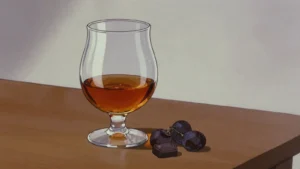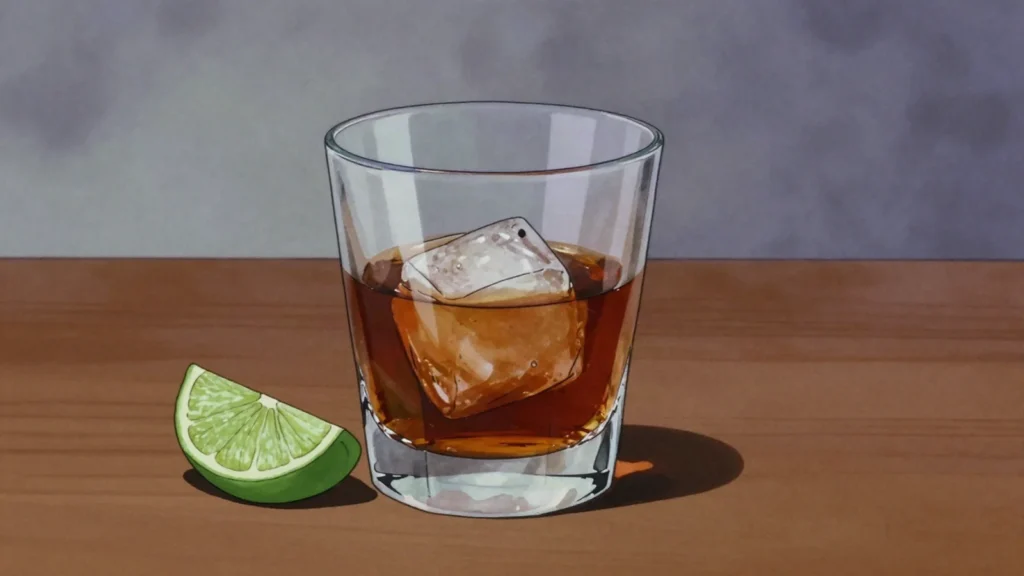

An aged pot-still Jamaican rum with heavy fruit and molasses character. Sugar and rum have been made in St Elizabeth’s Nassau Valley at Appleton since 1749, making it one of the oldest continuously operating distilleries in the Caribbean.
Distilling is illegal without a licence, and the rum’s character comes from a specific estate’s dunder pit, wild yeasts and tropical ageing warehouse.
What goes into it
- sugarcane molasses from the estate
- dunder and wild yeasts
- limestone-filtered water
- ex-bourbon oak casks
How it is made
Molasses is fermented long and hot, often with dunder — the residue from a previous distillation — which builds the heavy esters Jamaican rum is known for. It is distilled in copper pot stills, sometimes blended with column-still spirit, and aged in oak in the tropics, where evaporation runs several times faster than in Scotland and a year in the barrel does far more work.
How long it takes: eight to thirty years and beyond in tropical oak
How it is eaten
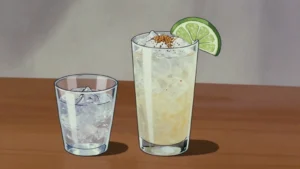
Neat or over a single cube, or in a rum punch with lime and sugar.
History
Sugar and rum have been made in St Elizabeth’s Nassau Valley at Appleton since 1749, making it one of the oldest continuous distilleries in the Caribbean.
Frequently asked questions
What is Appleton Estate rum?
Appleton Estate rum is a wine & spirit from Jamaica: aged pot-still rum with heavy fruit and molasses character. Sugar and rum have been made in St Elizabeth’s Nassau Valley at Appleton since 1749, making it one of the oldest continuous distilleries in the Caribbean.
How is Appleton Estate rum made?
Molasses is fermented long and hot, often with dunder — the residue from a previous distillation — which builds the heavy esters Jamaican rum is known for. It is distilled in copper pot stills, sometimes blended with column-still spirit, and aged in oak in the tropics, where evaporation runs several times faster than in Scotland and a year in the barrel does far more work. It takes eight to thirty years and beyond in tropical oak.
Can I make Appleton Estate rum at home?
No, and the atlas gives no method for it. Distilling is illegal without a licence, and the rum’s character comes from a specific estate’s dunder pit, wild yeasts and tropical ageing warehouse.
What goes into Appleton Estate rum?
Sugarcane molasses from the estate, dunder and wild yeasts, limestone-filtered water, ex-bourbon oak casks.
How is Appleton Estate rum eaten?
Neat or over a single cube, or in a rum punch with lime and sugar.