The small soft fruits of temperate summers and northern forests — strawberry, raspberry, blueberry, blackberry, cranberry, and the lingonberries and cloudberries of the far north — eaten fresh in season and preserved as jam, juice and sauce the rest of the year.
Where it comes from
Most berries were wild food long before they were crops. Strawberries and raspberries grew in European and Asian woods and were gathered rather than grown until the Middle Ages; the large garden strawberry is an eighteenth-century cross between a Chilean and a Virginian species made by chance in a French garden. Blueberries and cranberries are American, and the cultivated highbush blueberry is barely a century old. The far north — Scandinavia, Finland, Russia, Canada — lives on wild berries in a way no other region does: lingonberry with meat, cloudberry with cream, bilberry in pies.
Berries are fragile and seasonal by nature, which is why so much of the world’s berry cooking is preservation: jam, jelly, cordial, compote, dried berries, frozen berries. Sweet berries go into desserts; the sharp ones — cranberry, lingonberry, redcurrant, sea buckthorn — are cooked into sauces for meat and game across northern Europe and North America, because their acidity cuts fat the way citrus does further south.
Varieties
- Strawberry — The largest and sweetest; a summer fruit eaten fresh, with cream, in tarts and jam. Alpine strawberries are tiny and intense.
- Raspberry — Soft, tart-sweet, red or golden; the best jam berry and a classic with cream and chocolate.
- Blueberry — Firm, mild, sweet; American, for muffins, pancakes and pies. Wild bilberries are smaller and far more flavoured.
- Blackberry — Wild and cultivated; sweet, dark, seedy. In pies, crumbles and with apple.
- Cranberry and lingonberry — Hard, very sour red berries, always cooked with sugar; the sauce for turkey in America and for meatballs and game in Scandinavia.
- Cloudberry, sea buckthorn, gooseberry, currants — The northern specialities: amber cloudberry with cream in Norway and Finland; sour orange sea buckthorn in juice; tart gooseberries and redcurrants in British and German puddings and sauces.
In the kitchen
Fresh berries want as little done to them as possible — sugar, cream, a squeeze of lemon. For cooking, cook them briefly: a compote is berries and sugar warmed until they just burst. Frozen berries are as good as fresh for anything cooked and are picked riper; use them from frozen in bakes so they do not bleed.
Sour berries — cranberry, lingonberry, redcurrant — simmered with sugar make a sauce that keeps for weeks and belongs with roast meat, game, meatballs and cheese. Strawberries and raspberries should never be cooked long; a raspberry sauce is raw fruit sieved with sugar.
Choosing and keeping
Buy in season and eat within a day or two; berries rot from the bottom of the punnet, so check underneath. Do not wash until just before eating, and never soak. A single spoiled berry infects the rest — remove it.
Freeze spread on a tray, then bag; they keep a year. Cranberries and lingonberries freeze exceptionally well and are usually bought frozen. Dried berries keep for months and rehydrate in liquid.
Dishes with berries
 DebessmannaCranberry semolina whipped until pale and airy, served with milk.
 MaitrankMoselle wine infused with woodruff, sugar and orange, drunk in May
 MerengónBaked meringue layered with cream and guanabana, strawberry or mango
 Colada moradaSpiced purple-corn and berry drink for Day of the Dead
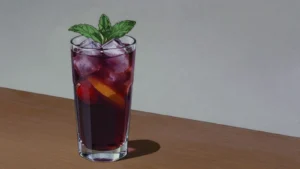 VimtoDark berry cordial mixed with cold water, poured to break the Ramadan fast.
 KroppkakorBoiled potato dumplings stuffed with salt pork and onion.
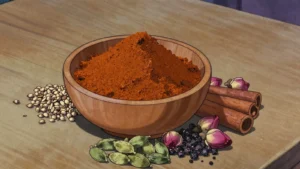 Ras el hanoutthe spice merchant's top-of-the-shop blend, sometimes thirty spices, for tagines
 BannockIndigenous fried or baked flatbread, campfire staple
Berries is tagged on 207 dishes from 95 countries in the atlas. These notes are written from general knowledge and carry no per-fact citation — see About.