
Ingredients
Spice paste (rempah)
- 12shallots
- 8 clovesgarlic
- 10dried red chillies, soaked, plus 4 fresh red chillies
- 5cm galangal
- 3cm ginger
- 3cm fresh turmeric, or 1 tbsp ground
- 3 stalkslemongrass, white parts
- 1 tspcoriander seed, toasted
- 1 tspcumin seed, toasted
- 4candlenuts
The pot
- 1.5 kgbeef shin or chuck, in 4 cm cubes
- 1.2 litresthick coconut milk
- 2 stalkslemongrass, bruised and knotted
- 6kaffir lime leaves
- 2turmeric leaves, knotted (optional)
- 1 pieceasam kandis or 1 tbsp tamarind paste
- 1cinnamon stick
- 2star anise
- 2 tspsalt
- 1 tbsppalm sugar
- 80 gkerisik (toasted grated coconut, ground to a paste)
Directions
- Blend the rempah ingredients to a fine smooth paste with as little water as possible.
- Make the kerisik: dry-toast grated coconut in a pan over medium-low heat, stirring constantly, for 10–15 minutes until deep brown and oily, then pound or blend it to a dark paste. This is what thickens rendang and gives its nutty depth, and it is the thing most often left out.
- Fry the rempah in a large heavy pot over medium heat for 15–20 minutes, stirring, until it darkens, smells sweet rather than raw and the oil separates from the paste.
- Add the beef and turn it through the paste for 5 minutes.
- Pour in all the coconut milk and add the lemongrass, lime leaves, turmeric leaf, asam kandis, cinnamon, star anise, salt and palm sugar.
- Bring to a gentle simmer and cook uncovered, stirring every 15 minutes or so, for about 3 hours. The liquid will reduce very slowly and the colour will move from pale cream to tan to deep brown.
- For the last 45 minutes stir almost constantly and watch it closely. Once the coconut oil separates out the sauce can catch and burn in minutes, and burnt rendang cannot be saved.
- Stir in the kerisik in the final 20 minutes.
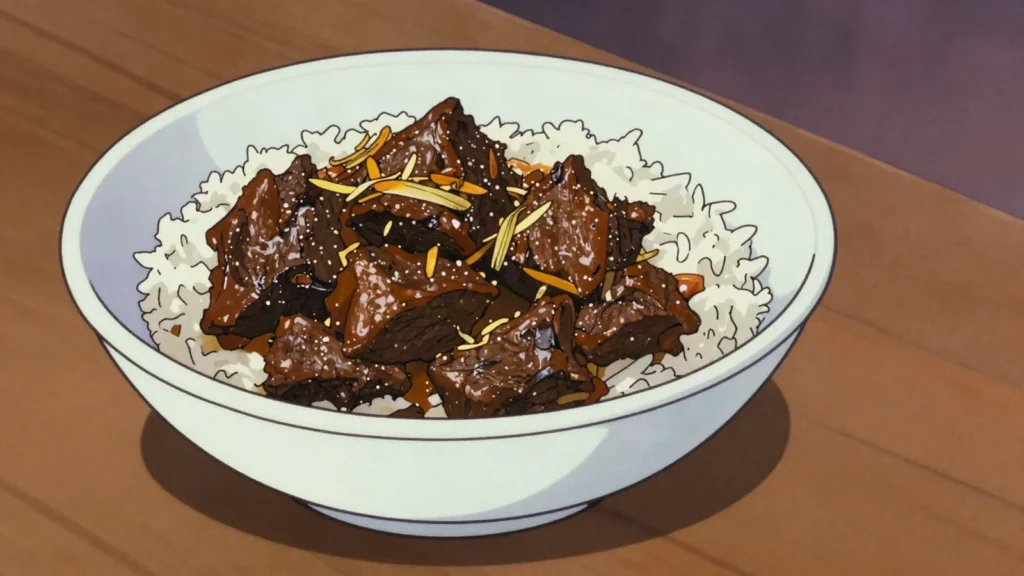
- It is finished when the sauce has gone entirely — the beef should be dark, glossy and coated in a dry paste, with oil visible at the edges but no liquid in the pot. A wet rendang is kalio, an earlier stage of the same dish, and pleasant, but not rendang.
- Rest overnight if you can. It genuinely improves and traditionally keeps for weeks without refrigeration, which was the original purpose of cooking it this dry.
Technique
- Rendang is defined by the reduction. Stopping when it still has sauce gives kalio; going all the way to dry is what makes it rendang.
- Do not cover the pot. The whole process is evaporation.
- Constant attention in the last hour. This is where every failed rendang fails.
Substitutions
- Macadamia nuts in place of candlenuts, which are toxic raw and hard to find.
- Tamarind paste for asam kandis, added with a little less water.
Variations
- Rendang ayam, made with chicken, which needs only about 1 hour 30 minutes.
- Kalio, the wetter caramel-brown stage served as a curry.
- Rendang paru, made with beef lung, a Minangkabau speciality.
History
Beef slow-cooked in coconut milk and a richly spiced paste of chili, ginger, galangal and lemongrass for many hours until the liquid reduces almost entirely, documented across Malaysia with roots tracing to the Minangkabau people of Sumatra, whose rendang tradition spread across the wider Malay world, including Malaysia, through historic trade, migration and shared cultural ties across the Malay Archipelago. Its extremely long cooking time, allowing the coconut milk to reduce and the spice paste to caramelise into a thick, deeply flavoured coating on the meat, reflects a shared culinary technique found across both Malaysian and Indonesian rendang traditions, each maintaining its own particular regional variations in spicing and preparation. Beef rendang remains one of Malaysia’s most beloved and internationally recognized dishes.
Frequently asked questions
What is Beef Rendang?
Beef Rendang is a main from Malaysia: beef slow-cooked dry in coconut and spices for festive days. Beef slow-cooked in coconut milk and a richly spiced paste of chili, ginger, galangal and lemongrass for many hours until the liquid reduces almost entirely, documented across Malaysia with roots tracing to the Minangkabau people of Sumatra, whose rendang tradition spread across the wider Malay world, including Malaysia, through historic trade, migration and shared cultural ties across the Malay Archipelago. Its extremely long cooking time, allowing the coconut milk to reduce and the spice paste to caramelise into a thick, deeply flavoured coating on the meat, reflects a shared culinary technique found across both Malaysian and Indonesian rendang traditions, each maintaining its own particular regional variations in spicing and preparation. Beef rendang remains one of Malaysia’s most beloved and internationally recognized dishes.
How long does Beef Rendang take to make?
Beef Rendang takes 40 min of preparation and 4 hr of cooking. The recipe makes 6 servings. It is rated hard to make.
What can I substitute in Beef Rendang?
Yes, within limits. Macadamia nuts in place of candlenuts, which are toxic raw and hard to find. Tamarind paste for asam kandis, added with a little less water.
What is the most important thing to get right in Beef Rendang?
Fry the rempah in a large heavy pot over medium heat for 15–20 minutes, stirring, until it darkens, smells sweet rather than raw and the oil separates from the paste.