
Ingredients
Offal
- 400 gbeef or lamb liver
- 300 gkidney
- 300 gheart
- milk or vinegared water, for soaking
Base
- 3large onions, sliced
- 1red pepper, chopped
- 4garlic cloves, chopped
- 3tomatoes, chopped
- 4 tablespoonsoil or lard
- 2bay leaves
- 1 teaspoondried oregano
- 1 teaspoonground cumin
To braise
- 200 mlwhite wine, optional
- 500 mlstock or water
- salt and black pepper
- 1chilli, optional
To serve
- mandioca, boiled cassava
- or plain rice
- chopped parsley
Directions
- Trim away any tubes and connective membrane. Peel off the thin outer skin if it is still on. Cut it into cubes of about three centimetres. Soak it in milk for thirty minutes. Drain it and pat it dry before cooking. Preparing the kidney needs more attention.
- Cut it in half and cut out the white core entirely. Cut the rest of it into cubes. Soak them in water with a splash of vinegar. Give them at least thirty minutes. Rinse and dry them thoroughly afterwards. Trim off the fat, valves and any tough sinew. Cut it into cubes the same size as the rest. It needs no soaking but does need long cooking.
- Heat the oil or lard in a large heavy pot. Brown the heart cubes first on all sides. Take them out and set them aside. Brown the kidney the same way and set it aside. Brown the liver last and very briefly. Liver needs only a minute on each side.
- Take it out immediately and set it aside separately. Add the sliced onions to the same pot. Cook them slowly for a good twelve minutes. They should soften and turn deep golden. Add the red pepper and cook for four minutes. Add the garlic and cook for one minute more. Add the chopped tomatoes, oregano and cumin. Let them cook down for eight minutes.
- Add the bay leaves to the pot. Return only the heart to the pot. Pour in the wine and let it bubble hard for two minutes. Add the stock and bring it to a simmer. Cover the pot and lower the heat right down.
- Let it cook for about fifty minutes. The heart should become tender. Simmer for another twenty minutes. Kidney toughens if cooked too long. Return the browned liver to the pot. Give it five minutes and no more. Take the pot right off the heat. It should be thick and cling to the pieces.
- Reduce it uncovered if it is too thin. Add more stock if it has gone dry. Taste it and adjust the salt and pepper. Offal needs generous seasoning to carry it. Ladle it into bowls or onto plates. Scatter chopped parsley over the top. It keeps two days refrigerated.
Technique
- Misiones and Neembucu are departments in southern Paraguay, and batiburrillo is closely associated with their rural celebrations.
- Dishes using the whole animal are common wherever livestock is slaughtered for a gathering rather than bought in pieces.
Substitutions
- Any combination of the three organs works, and some households use only liver and heart.
- Beef, lamb and pork offal can all be used, though the cooking times differ.
Variations
- Some households add blood sausage to the pot.
- A version with more tomato gives a redder and sweeter sauce.
- Chorizo and offal are cooked together in some rural versions.
History
A dish of Misiones and Nembucu, cooked at rural fiestas where the whole animal is used.
Frequently asked questions
What is Batiburrillo?
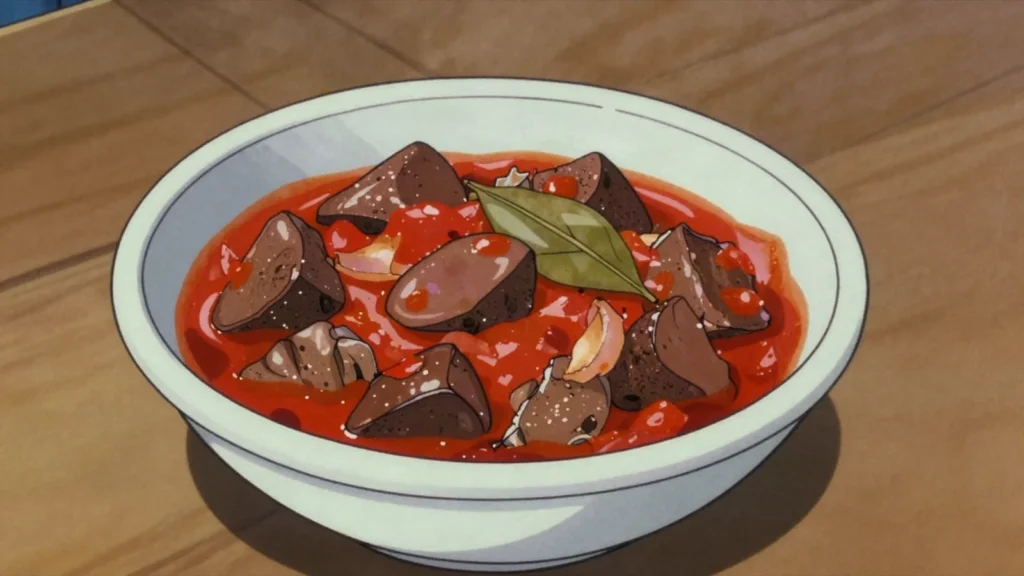
Batiburrillo is a main from Paraguay: stew of beef and lamb offal – liver, kidney and heart – with onion. A dish of Misiones and Nembucu, cooked at rural fiestas where the whole animal is used.
How long does Batiburrillo take to make?
Batiburrillo takes 40 minutes of preparation and 1 hour 30 minutes of cooking. The recipe makes serves 6. It is rated medium to make.
What can I substitute in Batiburrillo?
Yes, within limits. Any combination of the three organs works, and some households use only liver and heart. Beef, lamb and pork offal can all be used, though the cooking times differ.
What is the most important thing to get right in Batiburrillo?
Let it cook for about fifty minutes. The heart should become tender. Simmer for another twenty minutes. Kidney toughens if cooked too long. Return the browned liver to the pot. Give it five minutes and no more. Take the pot right off the heat. It should be thick and cling to the pieces.