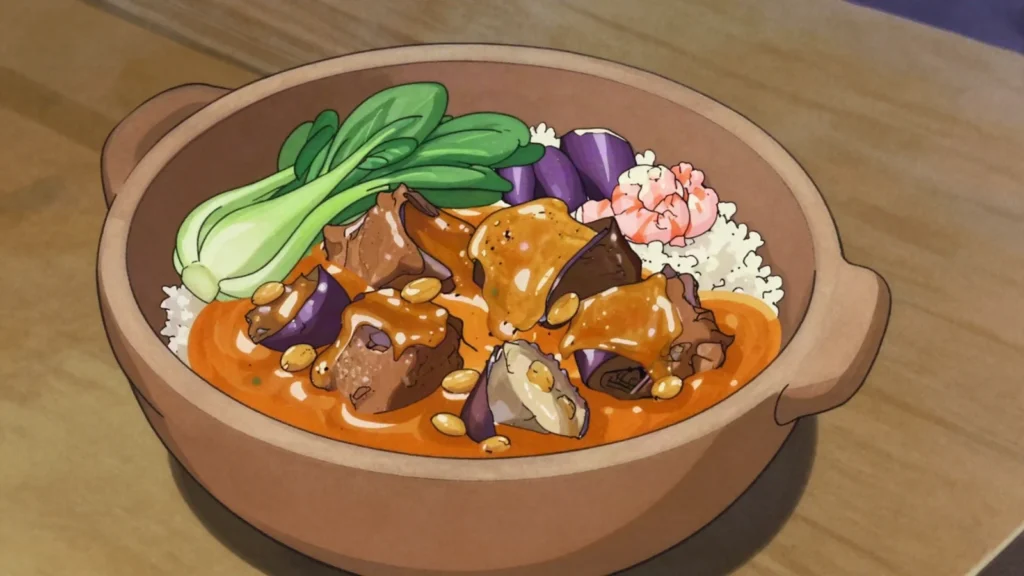

Ingredients
Meat
- 1.2 kgoxtail, in thick sections
- 400 gbeef tripe, cleaned
- 2 litreswater
- 1onion, halved
- 1 tspblack peppercorns
- salt
Sauce
- 200 gsmooth peanut butter, unsweetened
- or 250 g roasted peanuts, ground
- 60 graw rice, for toasting
- 2 tbspannatto seeds
- 4 tbspoil
- 1onion, finely chopped
- 6garlic cloves, crushed
Vegetables
- 1aubergine, in thick rounds
- 200 ggreen beans, cut in lengths
- 1banana heart, sliced, if available
- 1 bunchpechay or bok choy
- 150 gstring beans or sitaw
To serve
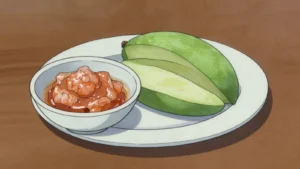
- bagoong alamang, sautéed shrimp paste
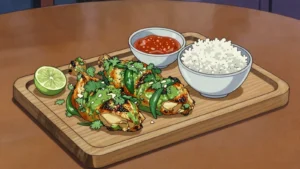
- steamed rice
- calamansi or lime wedges
Directions
- Rinse the oxtail sections and put them in a large pot. Cover them with the water and bring it slowly to the boil. Skim off the grey foam thoroughly as it rises. Add the halved onion and the peppercorns. Simmer it for two and a half hours until the oxtail is tender. Rinse the tripe well and cut it into strips.
- Add it to the pot after the first hour. It needs about ninety minutes to become tender. Lift the meats out and set them aside. Strain the broth and skim off the fat that has risen. Keep about a litre and a half of the broth for the sauce. Toast the raw rice in a dry pan over a medium heat.
- Stir it constantly for about eight minutes until deep golden. Grind it to a fine powder in a spice grinder or mortar. Warm the annatto seeds in three tablespoons of oil in a small pan. Heat them gently for three minutes until the oil turns deep orange. Do not let the seeds burn, since burnt annatto is bitter.
- Strain out the seeds and keep the coloured oil. Heat the annatto oil in the pot over a medium heat. Add the chopped onion and cook it for six minutes until soft. Add the garlic and cook it for another minute.
- Pour in the reserved broth and bring it to a simmer. Now the peanut, which needs loosening first. Ladle some hot broth into a bowl with the peanut butter. Whisk it into a smooth loose paste. Adding peanut butter straight to the pot makes lumps that never disperse.
- Stir the loosened peanut into the pot. Simmer it for ten minutes, stirring often. Now thickening, which is done with the rice powder. Sprinkle the ground toasted rice over the surface while stirring.
- Simmer for another ten minutes until the sauce coats a spoon heavily. It should be thick enough to hold a channel when a spoon is dragged through. Add more broth if it has gone past that point. Add the oxtail and tripe to the pot and turn them in the sauce. Simmer them together for fifteen minutes.
- Add the banana heart first if you are using it, and cook for five minutes. Add the aubergine and cook for another five minutes. Add the string beans and green beans and cook for four minutes.
- Add the pechay last and cook for two minutes only. The vegetables should keep their shape rather than collapsing into the sauce. Taste it: it should taste rich and slightly flat on its own. Fry the shrimp paste in a little oil for five minutes until fragrant.
- Serve it in a small bowl beside the stew. Now serving, which is done from a shared dish. Bring the pot or a wide bowl to the table with rice alongside.
Technique
- Do not salt the stew, since the bagoong served alongside is the salt.
- Loosen the peanut butter with hot broth first, or it will lump.
- Toasted ground rice is the traditional thickener and adds its own flavour.
Substitutions
- Beef shank or tripe alone, if oxtail is unavailable.
- Any fermented shrimp paste in place of bagoong alamang.
Variations
- Kare-kareng seafood, made with prawns and squid.
- Vegetarian kare-kare, with tofu and more vegetables.
- Made with goat, which some provinces prefer.
History
An oxtail and vegetable stew thickened with ground toasted rice and peanut, giving it a distinctive thick, nutty orange-brown sauce, generally traced to the Pampanga region of the Philippines, known historically as a center of Filipino culinary refinement, and served traditionally with bagoong, a fermented shrimp or fish paste, as an essential pungent counterpoint to the stew’s rich, mild sauce. Its exact origin story is not precisely documented, though some food historians suggest a link to Indian curry traditions carried through earlier Indian Ocean and South Asian trade contact with the Philippines, reflected in the word kare itself echoing curry, though this connection remains a matter of informed speculation rather than settled fact. It remains a specifically festive dish in many Filipino households, reserved more often for special occasions than everyday cooking given the extended preparation time oxtail requires.
Frequently asked questions
What is Kare-Kare?
Kare-Kare is a main from Philippines: oxtail and vegetables in peanut sauce with shrimp-paste bagoong. An oxtail and vegetable stew thickened with ground toasted rice and peanut, giving it a distinctive thick, nutty orange-brown sauce, generally traced to the Pampanga region of the Philippines, known historically as a center of Filipino culinary refinement, and served traditionally with bagoong, a fermented shrimp or fish paste, as an essential pungent counterpoint to the stew’s rich, mild sauce. Its exact origin story is not precisely documented, though some food historians suggest a link to Indian curry traditions carried through earlier Indian Ocean and South Asian trade contact with the Philippines, reflected in the word kare itself echoing curry, though this connection remains a matter of informed speculation rather than settled fact. It remains a specifically festive dish in many Filipino households, reserved more often for special occasions than everyday cooking given the extended preparation time oxtail requires.
How long does Kare-Kare take to make?
Kare-Kare takes 30 min of preparation and 3 hours 30 min of cooking. The recipe makes 6 servings. It is rated medium to make.
What can I substitute in Kare-Kare?
Yes, within limits. Beef shank or tripe alone, if oxtail is unavailable. Any fermented shrimp paste in place of bagoong alamang.
What is the most important thing to get right in Kare-Kare?
Stir it constantly for about eight minutes until deep golden. Grind it to a fine powder in a spice grinder or mortar. Warm the annatto seeds in three tablespoons of oil in a small pan. Heat them gently for three minutes until the oil turns deep orange. Do not let the seeds burn, since burnt annatto is bitter.