
Ingredients
The jar
- 1 kgfresh small shrimp (alamang) or small fish, very fresh
- 250–300 gcoarse non-iodised sea salt
- a large sterilised glass jar with a tight lid
Optional, for sautéed bagoong (bagoong guisado)
- 3 tbspoil
- 1 headgarlic, minced
- 1onion, chopped
- 2 tbsppalm vinegar
- 2 tbspbrown sugar
- 2red chillies, sliced
Directions
- Rinse the shrimp in cold water and drain them thoroughly. Any freshwater left clinging encourages the wrong bacteria.
- Mix the shrimp with the salt in a ratio of roughly one part salt to three or four parts shrimp by weight. The salt is what makes this safe, and reducing it is the one change you must not make.
- Pack tightly into the sterilised jar, pressing down firmly with a clean spoon to drive out air pockets, leaving 3 cm of headspace.
- Cover the surface with an extra layer of salt and seal. Every piece must stay below the brine that forms in the first day or two.
- Leave somewhere cool and dark for 30 to 60 days. It will turn pink then rust-coloured, liquid will rise, and it will smell sharply of the sea. Stir it with a clean dry spoon once a week and press everything back under the brine.
- It is ready when the shrimp have broken down, the smell is pungent but clean, and the colour is even. Discard the batch if you see fuzzy mould, if the smell is putrid rather than sharp, or if anything has been sitting above the brine.
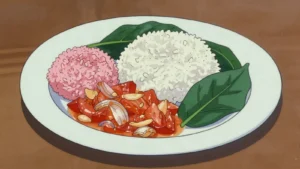
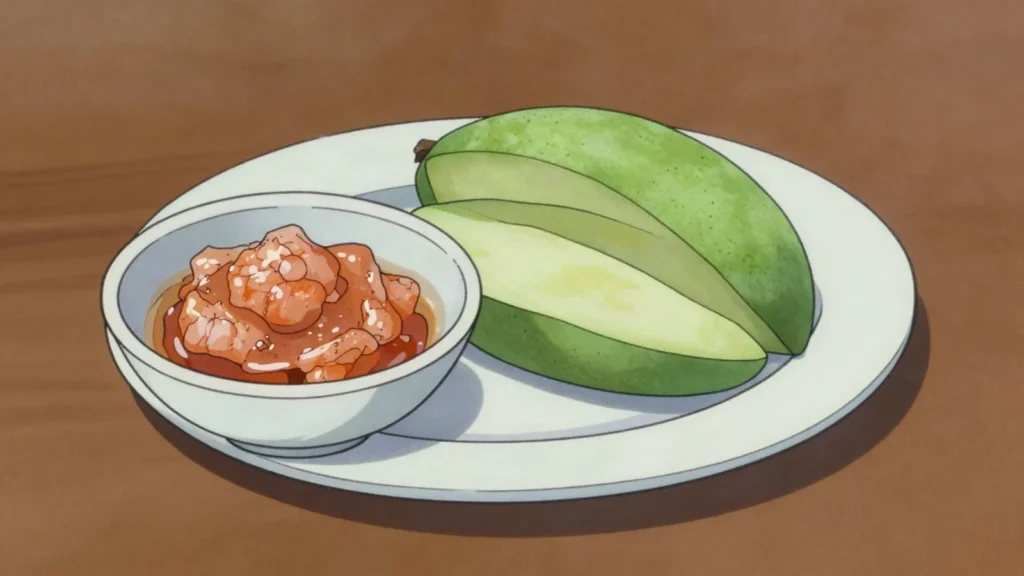
- For bagoong guisado, fry the garlic and onion in the oil, add 300 g of the raw bagoong and fry 10 minutes, then the vinegar, sugar and chilli, and cook down 10 minutes more. This is the form eaten with green mango and used in pinakbet, and it keeps refrigerated for months.
- This is a long salt fermentation. Use non-iodised salt, keep everything scrupulously clean, and do not shorten the time or the salt.
Technique
- Salt ratio and submersion are the two safety controls. Nothing above the brine, and no guessing at quantities.
- The liquid that separates and rises is patis, Filipino fish sauce, and is decanted and used in its own right.
- Bagoong varies enormously by region — alamang from shrimp in Luzon, isda from fish, and the fermented monamon of the Ilocos are all called bagoong.
Substitutions
- Ready-made bagoong is what almost every Filipino kitchen uses; making it is a provincial and coastal practice.
- Small fish such as anchovies in place of shrimp, salted the same way.
Variations
- Bagoong isda, made from fish rather than shrimp, darker and stronger.
- Sweet bagoong guisado with more sugar, eaten with unripe mango as a snack.
History
Made by salting fish or krill in vats for months; the Ilocos version uses whole fish, while bagoong alamang from shrimp is the Tagalog standard.
Frequently asked questions
What is Bagoong?
Bagoong is a sauce & condiment from Philippines: fermented fish or shrimp paste, salty and sharp, eaten with mango and pinakbet. Made by salting fish or krill in vats for months; the Ilocos version uses whole fish, while bagoong alamang from shrimp is the Tagalog standard.
How long does Bagoong take to make?
Bagoong takes 20 min of preparation and no cooking at all. The recipe makes about 1 litre. It is rated easy to make.
What can I substitute in Bagoong?
Yes, within limits. Ready-made bagoong is what almost every Filipino kitchen uses; making it is a provincial and coastal practice. Small fish such as anchovies in place of shrimp, salted the same way.
What is the most important thing to get right in Bagoong?
Mix the shrimp with the salt in a ratio of roughly one part salt to three or four parts shrimp by weight. The salt is what makes this safe, and reducing it is the one change you must not make.