
Ingredients
The sheets
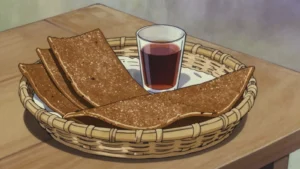
- 2 sheetsdried hulu-murr
- or 150 g broken hulu-murr flakes
- 1.5 litrescold water
To finish
- 150 gsugar, or to taste
- juice of 1 lemon
- a pinch of salt
- 500 mlcold water, to lengthen
Sometimes added
- a little extra ground cardamom
- a strip of orange peel
- chopped mint
To serve
- plenty of ice
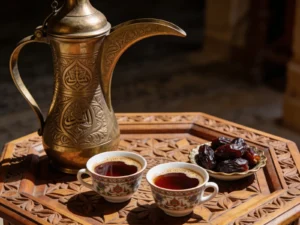
- dates
- at iftar in Ramadan
Directions
- Break the sheets into rough pieces. Put them into a large bowl or jug. Pour the cold water over the broken pieces.
- Let them soak for about thirty minutes. Understanding why cold water is used. Work the softened pieces with your hands. Rub them apart between your fingers.
- Keep working until they have broken down. Give it a good five minutes of working. Soak it longer if pieces are still firm. Pour it all through a fine sieve.
- Press the solids against the mesh firmly. Line the sieve with muslin for a clearer drink. Strain it twice if it seems gritty. Discard the solids left behind. Add the sugar to the strained liquid. Stir until it dissolves completely.
- Add the pinch of salt as well. Squeeze in all of the lemon juice. Add the extra cold water to lengthen it. Taste it and adjust the sugar. It should be sweet but still clearly bitter. Add more lemon if it tastes flat.
- Add more water if it is too intense. Refrigerate it for at least three hours. Stir the jug well before pouring. Fill glasses with plenty of ice. Pour the hulu-murr over all the ice.
- Add a sprig of mint if you like. It keeps three days refrigerated. Stir it each time before pouring.
Technique
- The same drink appears under two spellings, as hulu mur under South Sudan and hulu-murr under Sudan, the two countries having been one until twenty eleven; this entry covers making the drink from ready sheets and the other covers making the sheets from scratch.
- Cold water gives a cleaner clearer drink, while hot water extracts more bitterness from the spices and makes the sorghum starch gluey; cold soaking takes longer but tastes better.
- The bitterness is the point of the drink, so sweetening it too far loses its character; it should be sweet but still clearly bitter.
Substitutions
- Broken hulu-murr flakes work the same way as whole sheets and soak faster.
- The sheets are sold in Sudanese shops and keep for many months if kept dry.
Variations
- Some households strain it very finely and others leave it thicker and cloudier.
- A little extra cardamom or a strip of orange peel is added by some.
- Hulu mur in South Sudan is the same drink under the other spelling.
History
Spiced sorghum batter is fermented, then dried into thin brittle sheets that store for months; soaking a sheet in water makes Sudan’s classic Ramadan drink.
Frequently asked questions
What is Hulu-murr?
Hulu-murr is a drink from Sudan: bittersweet Ramadan drink made from spiced fermented sorghum sheets. Spiced sorghum batter is fermented, then dried into thin brittle sheets that store for months; soaking a sheet in water makes Sudan’s classic Ramadan drink.
How long does Hulu-murr take to make?
Hulu-murr takes 20 minutes of preparation and none of cooking. The recipe makes about 2 litres of drink. It is rated easy to make.
What can I substitute in Hulu-murr?
Yes, within limits. Broken hulu-murr flakes work the same way as whole sheets and soak faster. The sheets are sold in Sudanese shops and keep for many months if kept dry.
What is the most important thing to get right in Hulu-murr?
The bitterness is the point of the drink, so sweetening it too far loses its character; it should be sweet but still clearly bitter.