An African grain that will make a crop in a drought that kills maize, and the staple cereal of a large part of the continent.
Where it comes from
Sorghum was domesticated in north-eastern Africa, in the region of modern Sudan and Ethiopia, and spread across the continent and east into India and China. It sets deep roots, rolls its leaves to cut water loss, and can go dormant in a dry spell and resume when rain comes.
In much of Africa it is ground to flour for thick porridges — to, tuwo, ugali, sadza under many names — and fermented for sour porridges and beers. Elsewhere much of the crop goes to livestock and to syrup.
Varieties
- White sorghum — Mildest, palest, the usual choice for porridge flour.
- Red and brown sorghum — Higher in tannins, more bitter, more resistant to birds and mould in the field. Common in beer brewing.
- Sweet sorghum — Grown for the cane-like stem rather than the grain, pressed and boiled down to sorghum syrup.
- Popping sorghum — Bursts like miniature popcorn.
In the kitchen
Sorghum flour is gluten-free and behaves like a fine, slightly sweet maize flour. It makes flatbreads and porridges rather than risen loaves.
Whole grain sorghum cooks like a firm rice and keeps a distinct pop; it does not go creamy.
Dishes with sorghum
 Kisrathin fermented sorghum flatbread-crepes eaten with stews
 Lahohspongy fermented pancake eaten with honey, ghee or stew
 BaijiuPotent clear liquor distilled from sorghum, toasted at banquets
 BurukutuCloudy sour beer of fermented guinea corn, sold warm in the Middle Belt
 Sishwalathick maize and sorghum porridge eaten with meat or sour milk
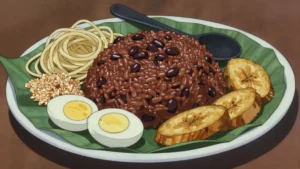 WaakyeRice and beans tinted by sorghum leaves; sold with gari, spaghetti, egg, shito
 OmaloduHome-brewed mahangu millet beer, thick, sour and served in a calabash
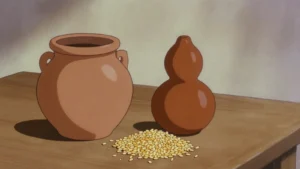 MerissaCloudy sour sorghum beer brewed at home and drunk from shared jars
Sorghum is tagged on 58 dishes from 31 countries in the atlas. These notes are written from general knowledge and carry no per-fact citation — see About.