
Ingredients
The sesame
- 300 gsesame seeds
- wangla, hulled or unhulled
- picked over for grit
The syrup
- 300 gdark cane sugar
- or panela, or dark brown sugar
- or 250 ml cane syrup
- 100 mlwater
- a pinch of salt
Sometimes added
- half a teaspoon grated nutmeg
- a pinch of ground cinnamon
- a little grated ginger
- grated lime zest
- a teaspoon of butter
- or coconut oil
To shape
- a greased tray
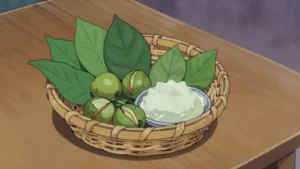
- or greased banana leaf
- a greased rolling pin
- or a wet spatula
- a sharp oiled knife
Directions
- Pick through them for grit and stones. Rinse them if they look dusty. Then dry them thoroughly before toasting. Use a wide dry heavy frying pan. Heat the pan over a medium heat. Add the seeds in a single layer.
- Work in batches if you have a lot. Do not walk away for a moment. Keep them moving the entire time. They turn a light golden brown. Tip them out of the pan immediately. Do not leave them in the hot pan. Spread them on a cold tray to stop that.
- Let them cool while you make the syrup. Boiling sugar syrup is extremely hot. Use a long-handled wooden spoon. Keep children well away from the kitchen. If it splashes on skin, act immediately.
- Cool it for a full twenty minutes. Do not try to peel off stuck syrup. Put the sugar and water in a heavy pan. A thick base is essential here. Add the pinch of salt to the pan. Heat it gently until the sugar dissolves. Stir until you feel no grains at all. Do not let it boil before it dissolves. Swirl the pan gently instead if needed. That is why the pan must be large.
- Drop a little of the syrup in. It should form a soft pliable ball. Take the pan off the heat completely. Add the toasted sesame all at once. Add the nutmeg or other spices now. Stir it hard and quickly with a wooden spoon.
- Work fast, since the syrup sets as it cools. Coat every single seed in the syrup. Add a teaspoon of butter if you like. Have the greased tray ready beforehand. Tip the mixture onto the tray at once. Spread it out with a greased spatula. Aim for about a centimetre thick.
- Work quickly and press it firmly. The mixture is scaldingly hot. Wait about five minutes until it firms. Score it rather than cutting right through. Scoring warm lets it break cleanly later. Break it along the scored lines. Wrap each finished piece in wax paper. That stops them sticking together. Keep them somewhere cool and dry. Humidity makes them sticky and soft.
Technique
- Sesame seeds burn in seconds, going from golden to black while you look away. Stir them constantly, take them off the heat when they smell strongly nutty, and tip them straight onto a cold tray — the residual heat in the pan keeps toasting them. Burnt sesame is bitter and the whole batch is lost.
- Boiling sugar syrup is far hotter than boiling water and it sticks to skin, which is why it causes severe burns. Never taste it from the pan or lean over it, use a long-handled spoon, and keep children out of the kitchen. If it splashes, run cold water over the area for a full twenty minutes and do not peel off stuck syrup.
- The sugar stage decides the sweet. Soft ball — a ball in cold water that holds shape but squashes easily, around 115 degrees — gives the chewy Belizean bar. Hard ball, around 125, gives a brittle one. Too soft and it never sets; too hard and it sets like glass.
- Stop stirring once the sugar has dissolved. Stirring boiling sugar makes it crystallise, and swirling the pan is the only agitation it needs.
- Work fast once the sesame goes in. The syrup sets as it cools and you have very little time, so have the greased tray ready before you start.
- Never shape it by hand while hot. The mixture is scalding and sticks to skin — use a greased spatula or rolling pin.
- Score it into bars after about five minutes, while still warm. Cutting through fully-set sesame brittle is very difficult; scored warm, it breaks cleanly.
- Do not refrigerate it. Cold makes sugar sweets draw moisture and go sticky once they come out. Store wrapped in wax paper in an airtight tin somewhere dry.
- Sesame is a significant allergen, now declared as such in many countries including recently in the United States, and there is no version of this without it. Tell guests.
- Wangla is the Kriol word for sesame, and similar words appear in West African languages. It travelled with enslaved people and survived in Belize — a small piece of vocabulary carrying a real history. Belize Kriol is a language in its own right, not broken English.
Substitutions
- Panela, piloncillo or dark muscovado replace Belizean dark cane sugar; all are unrefined whole cane sugar.
- Cane syrup or molasses replaces granulated sugar; reduce the added water accordingly.
- Hulled or unhulled sesame both work; unhulled is darker, more bitter and has more texture.
- Nutmeg, cinnamon, ginger or lime zest are all used; the plainest version has none.
- A teaspoon of butter or coconut oil makes the bar slightly softer and glossier.
- Greased baking paper replaces banana leaf for setting.
Variations
- A harder brittle version, boiled to hard ball stage, is made by some and snaps rather than chews.
- Peanut versions of the same sweet are made in Belize alongside the sesame one.
- Coconut and sugar sweets — tableta and its relatives — are the other great Belizean confections.
- Greek pasteli, Indian til chikki and Middle Eastern simsimiyah are the same idea under their own names.
- West African sim sim balls use the same ingredients shaped into rounds rather than bars.
- Some cooks add grated ginger, which gives a warming heat against the sweetness.
History
Wangla is the Kriol name for sesame, grown in Belize’s Cayo and Toledo districts and pressed into sweets.
Frequently asked questions
What is Wangla?
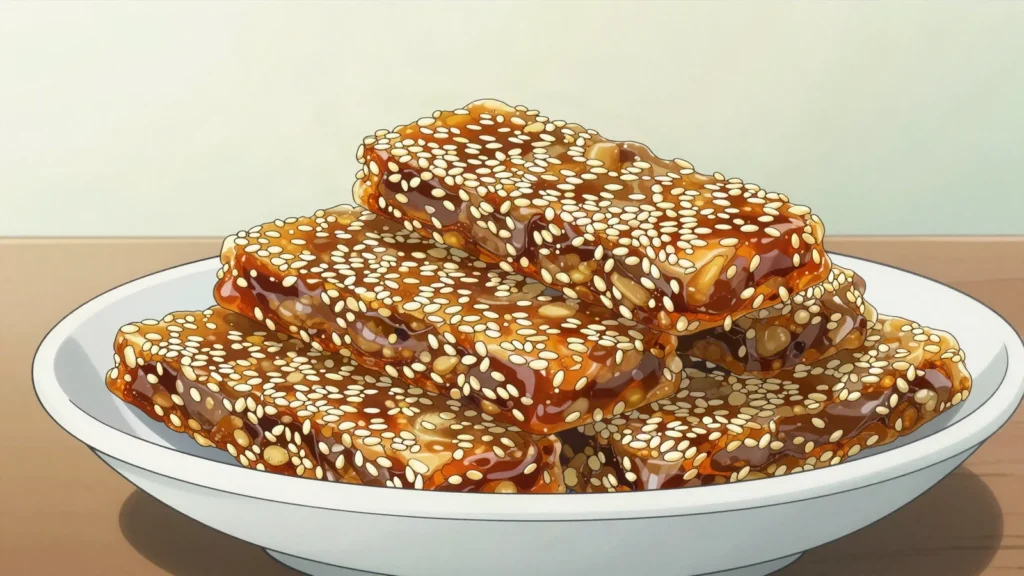
Wangla is a snack from Belize: chewy bar of toasted sesame seed set in cane syrup. Wangla is the Kriol name for sesame, grown in Belize’s Cayo and Toledo districts and pressed into sweets.
How long does Wangla take to make?
Wangla takes 20 minutes of preparation and 25 minutes, plus setting of cooking. The recipe makes makes about 20 pieces. It is rated medium to make.
What can I substitute in Wangla?
Yes, within limits. Panela, piloncillo or dark muscovado replace Belizean dark cane sugar; all are unrefined whole cane sugar. Cane syrup or molasses replaces granulated sugar; reduce the added water accordingly. Hulled or unhulled sesame both work; unhulled is darker, more bitter and has more texture. Nutmeg, cinnamon, ginger or lime zest are all used; the plainest version has none. A teaspoon of butter or coconut oil makes the bar slightly softer and glossier. Greased baking paper replaces banana leaf for setting.
What is the most important thing to get right in Wangla?
Work in batches if you have a lot. Do not walk away for a moment. Keep them moving the entire time. They turn a light golden brown. Tip them out of the pan immediately. Do not leave them in the hot pan. Spread them on a cold tray to stop that.