
Ingredients
The groundnuts
- 500 gdried voanjobory
- bambara groundnuts
- soaked overnight
- or 400 g fresh, if available
- picked over carefully
The pork
- 700 gpork belly
- or pork shoulder
- cut into 3 cm cubes
- with the fat left on
The base
- 2onions, chopped
- 6 clovesgarlic, crushed
- a large thumb of ginger
- grated finely
- 3tomatoes, chopped
- or 1 tin chopped tomatoes
- 2 tablespoonsoil
- or use the pork fat alone
The seasoning
- salt and black pepper
- 2spring onions, chopped
- or a few chives
- 1hot chilli, whole
- optional
- water, to cover
To serve
- plenty of steamed white rice
- ranovola, the toasted rice water
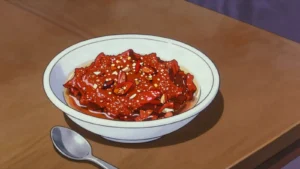
- sakay, Malagasy chilli paste
- a fresh tomato salad
Directions
- Discard any that are shrivelled or dark. Discard any that look mouldy or blotchy. Discard any that smell musty or stale. Store them airtight and completely dry. Cut the pork into generous cubes. Pick through them for stones and grit. Rinse them well in cold water. Cover them generously with fresh water. Soak them overnight, or for twelve hours.
- Soak them in the fridge in warm weather. Warm soaking water ferments and turns sour. Drain them and discard that water. Put them in a pot with fresh cold water.
- Cover them by five centimetres. Bring them to a full rolling boil. Boil hard for ten minutes uncovered. Skim off any foam that rises up. Simmer them for at least ninety minutes. Two full hours is often needed. Salt can toughen the skins early on. Top up with boiling water as needed. Never add cold water to cooking legumes. Drain them but keep the cooking liquid. Heat a heavy pot over a medium heat.
- Add the pork cubes, fat side down first. Let the fat render out slowly. That rendering takes about ten minutes. Brown it in batches, not all at once. Do not crowd the pot at any point. Lift the pork out and set it aside. There should be plenty of fat in the pot.
- Add oil only if there is very little. Add the chopped onions with a pinch of salt. Cook them slowly for ten minutes. They should be soft and lightly golden. Add the garlic and the grated ginger. Use plenty of ginger, which is characteristic.
- Cook them for two minutes until fragrant. Add the chopped tomatoes to the pot. Cook them down until they collapse fully. That collapsing takes about ten minutes. Return the pork with any resting juices. Add the cooked bambara groundnuts. Add enough cooking liquid to cover. Add the whole chilli if you use one. Season with salt and black pepper. Bring it to a simmer and partly cover.
- Simmer it gently for a further hour. The pork should become completely tender. Stir the pot from time to time. Add more liquid if it dries out. Some of the nuts should break down.
- Mash a few against the side of the pot. Others should stay whole for texture. Add hot liquid if it is too thick. Simmer it uncovered if it is too loose. It needs more salt than you might expect. Scatter chopped spring onion over the top. Remove the chilli before serving. Serve it with a large plate of white rice. That means golden water in Malagasy. Stir it as it heats, since it catches.
Technique
- Bambara groundnuts are among the hardest legumes to soften, needing two to three hours even after an overnight soak. There is no shortcut. Test several — they should be soft and floury with no chalky centre — before they go anywhere near the pork.
- Do not salt the nuts while they are boiling. Salt added early can toughen the skins; season once they are fully tender.
- Top up with boiling water, never cold. Cold water halts the cooking and can leave the nuts permanently hard.
- Bambara groundnut is not a peanut. It is Vigna subterranea, an African legume that happens to ripen underground. Whether someone with a peanut allergy can safely eat it is a medical question the atlas cannot answer, since legume cross-reactivity is complicated. Ask an allergy specialist; do not assume either way.
- Stored nuts can carry aflatoxins from mould, which cooking does not destroy. Sort them and discard anything shrivelled, dark, blotchy or musty-smelling.
- Use pork belly and do not trim the fat. The rendered fat is what makes the dish creamy, and lean pork gives a dry, thin result.
- Mash some of the nuts against the side of the pot and leave others whole. That mixture of broken-down and intact is what gives the dish its texture.
- Use far more ginger than seems reasonable. It is central to Malagasy cooking and it is what makes the dish taste Malagasy.
- This is a laoka, not a main course. A Malagasy plate is mostly rice with a smaller quantity on top.
Substitutions
- Dried bambara groundnuts are sold by African grocers under several names — njugo or jugo beans, nyimo beans — and all are the same crop.
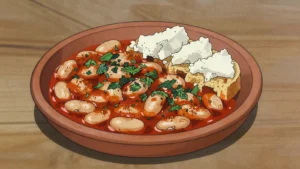
- Butter beans or large white beans replace bambara groundnuts if you cannot find them. The result is a good dish and a different one, and should not be called by this name.
- Beef replaces pork in households that avoid it, though pork is traditional here.
- Tinned chopped tomatoes replace fresh out of season.
- The chilli is optional in the pot, since sakay on the table supplies the heat.
- The cooking liquid from the nuts is better than water for the final simmer; keep it.
Variations
- A version with beef rather than pork is made in some households.
- Voanjobory cooked without meat, seasoned with ginger and onion, is a common Lenten and everyday version.
- Tsaramaso sy henakisoa, white beans with pork, is the closely related everyday dish.
- Ravitoto sy henakisoa, pounded cassava leaves with pork, is the other great Malagasy pork dish.
- Some cooks add a handful of chopped greens near the end.
- Related bambara groundnut dishes are made across Africa, including the Swazi siphuphe setindlubu.
History
Voanjobory, an indigenous African legume, is the Malagasy highlands’ favourite partner to pork and appears at family celebrations.
Frequently asked questions
What is Voanjobory sy henakisoa?
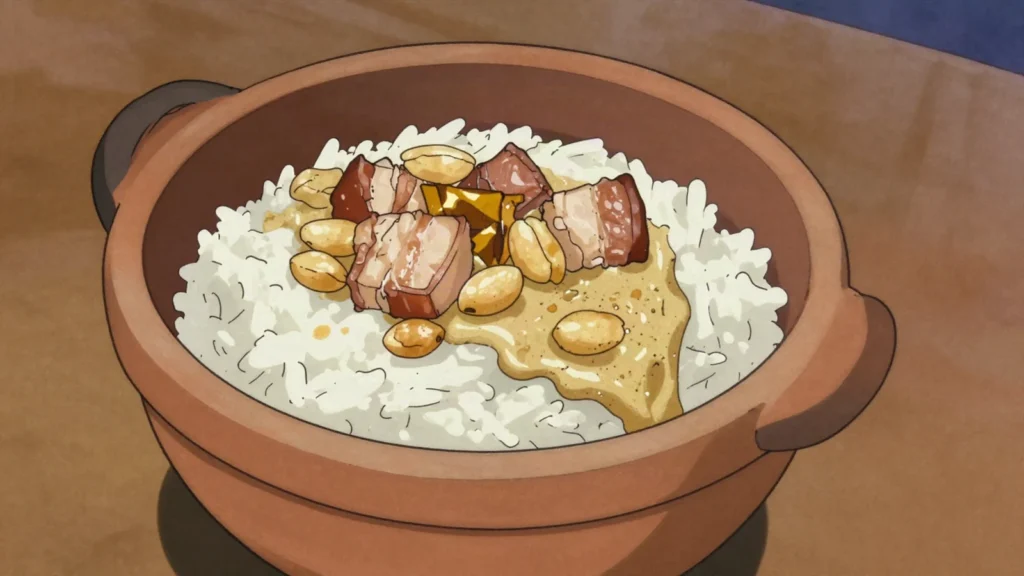
Voanjobory sy henakisoa is a main from Madagascar: bambara groundnuts slow-cooked with pork until creamy. Voanjobory, an indigenous African legume, is the Malagasy highlands’ favourite partner to pork and appears at family celebrations.
How long does Voanjobory sy henakisoa take to make?
Voanjobory sy henakisoa takes 20 minutes plus overnight soaking of preparation and 2 hours 30 minutes of cooking. The recipe makes serves 6. It is rated medium to make.
What can I substitute in Voanjobory sy henakisoa?
Yes, within limits. Dried bambara groundnuts are sold by African grocers under several names — njugo or jugo beans, nyimo beans — and all are the same crop. Butter beans or large white beans replace bambara groundnuts if you cannot find them. The result is a good dish and a different one, and should not be called by this name. Beef replaces pork in households that avoid it, though pork is traditional here. Tinned chopped tomatoes replace fresh out of season. The chilli is optional in the pot, since sakay on the table supplies the heat. The cooking liquid from the nuts is better than water for the final simmer; keep it.
What is the most important thing to get right in Voanjobory sy henakisoa?
Cover them by five centimetres. Bring them to a full rolling boil. Boil hard for ten minutes uncovered. Skim off any foam that rises up. Simmer them for at least ninety minutes. Two full hours is often needed. Salt can toughen the skins early on. Top up with boiling water as needed. Never add cold water to cooking legumes. Drain them but keep the cooking liquid. Heat a heavy pot over a medium heat.