
Ingredients
The beef
- 1.2 kgzebu beef
- or beef shin, brisket or chuck
- a cut with connective tissue
- cut into large pieces
- some fat left on
For boiling
- water, to cover
- 1onion, halved
- 2 teaspoonssalt
- or to taste
- a few peppercorns, optional
For browning
- 8 clovesgarlic
- crushed or finely chopped
- a large thumb of ginger
- grated finely
- 2 tablespoonsoil
- only if the beef is lean
- salt and plenty of black pepper
Sometimes added
- 1onion, finely chopped
- a squeeze of lemon
- a little chopped parsley
- 1hot chilli, chopped
To serve
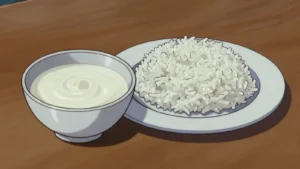
- plenty of steamed white rice
- ranovola, the toasted rice water
- sakay, Malagasy chilli paste
- a fresh tomato salad
Directions
- Leave some fat on the meat as well. Without it you must add oil to the pan. Cut it into large pieces for boiling. Now boil the beef until it is tender.
- Put it in a large pot and cover with water. Add the halved onion and the salt. Add peppercorns if you are using them. Bring the pot slowly up to a boil. Skim it off carefully and repeatedly. Keep skimming until no more appears. The surface should barely tremble at all. Simmer it for about two hours. Zebu or shin may need longer than that.
- Let it cool until you can handle it. Keep the broth, which is genuinely useful. Pull it apart with two forks or your hands. Shred it fairly finely rather than coarsely. Thick chunks stay soft in the middle.
- Remove any large pieces of gristle. Keep the softer fat, which will render. Heat a wide and heavy frying pan. Add the shredded beef to the hot pan. Add oil only if the meat is very lean. Otherwise let its own fat render out. Spread it in as thin a layer as you can. Resist the urge to keep moving it.
- Let it colour underneath, then turn it. Repeat that pattern over and over. This takes twenty to thirty minutes. Work in two batches if your pan is small. Add them in the last five minutes only. Use a great deal of both of them.
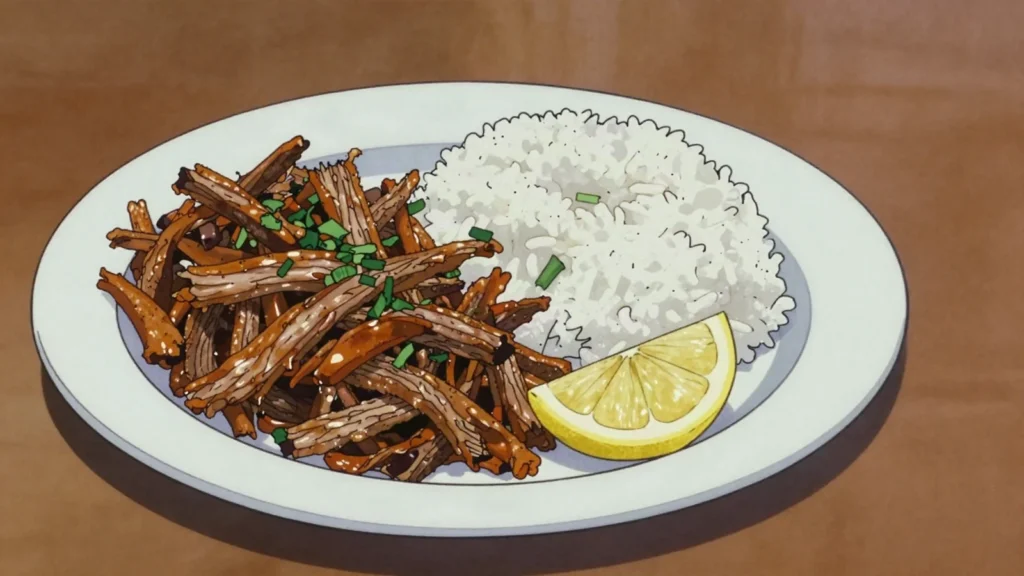
- Use more than you would think reasonable. Stir them through the crisping meat. Add the chopped onion now if using it. Add the chilli if your household likes heat. Season with salt and plenty of black pepper. Taste it carefully and adjust the salt. The shreds should be dark brown and crisp.
- Squeeze a little lemon over at the end. Scatter chopped parsley if you like. Serve it hot with a large plate of rice. That means golden water in Malagasy.
Technique
- The meat must be completely tender before shredding, with no resistance at all. Undercooked beef never shreds properly and fries into hard chewy lumps — the commonest failure with this dish.
- Use a cut with connective tissue: shin, brisket or chuck. A lean cut dries into hard fibres, where connective tissue melts to gelatine and keeps the shreds moist inside.
- Leave the fat on. The traditional version adds no oil at all — the shreds fry in the beef’s own rendered fat, and that is where much of the flavour comes from.
- Shred finely rather than coarsely. Fine shreds crisp; thick chunks stay soft in the middle.
- Do not keep stirring while it browns. Let it sit and colour, then turn it, and repeat. Constant stirring gives grey steamed meat instead of crisp shreds, and the whole browning takes twenty to thirty patient minutes.
- Add the garlic and ginger only in the last five minutes. Added earlier they burn and turn bitter — and use far more ginger than seems reasonable, since it is central to Malagasy cooking.
- Aim for a mixture of textures: some shreds genuinely crunchy, others still a little soft. Uniformly crisp has gone too far; uniformly soft has not gone far enough.
- Varenga is a laoka, not a main course. A Malagasy plate is mostly rice with a smaller quantity on top, and that changes how much you serve.
- Zebu are working animals, lean and full of connective tissue, and their significance in Madagascar runs well beyond meat — wealth, status, sacrifice, and horns displayed on tombs. Varenga is a technique for turning genuinely tough meat into something excellent, in the same family of solutions as carnitas and adobo flakes.
Substitutions
- Beef shin, brisket or chuck replace zebu; all have the connective tissue the method needs.
- Pork shoulder works with the same method and gives something close to carnitas.
- A little oil replaces rendered fat if your cut is very lean, though the traditional version needs none.
- Lemon replaces the acid lift; some households use nothing at all.
- Chilli is optional in the pan, since sakay on the table supplies the heat.
- The broth from boiling should be kept for soup or for cooking the rice.
Variations
- Varenga made with pork rather than beef is cooked in some households.
- A version with far more onion, cooked down with the meat, is sweeter and softer.
- Kitoza, strips of beef dried and grilled, is the other great Malagasy beef preparation.
- Some cooks finish it with a splash of the reserved broth, which softens the shreds slightly.
- Ravitoto sy henakisoa, pounded cassava leaves with pork, is the other highland classic.
- A drier, harder version cooked much longer is made for keeping and travels well.
History
A Merina highland preparation that renders tough zebu meat into crisp shreds, served with rice and often with rice water.
Frequently asked questions
What is Varenga?
Varenga is a main from Madagascar: zebu beef boiled then shredded and browned in its own fat until crisp. A Merina highland preparation that renders tough zebu meat into crisp shreds, served with rice and often with rice water.
How long does Varenga take to make?
Varenga takes 20 minutes of preparation and 2 hours 30 minutes of cooking. The recipe makes serves 6. It is rated medium to make.
What can I substitute in Varenga?
Yes, within limits. Beef shin, brisket or chuck replace zebu; all have the connective tissue the method needs. Pork shoulder works with the same method and gives something close to carnitas. A little oil replaces rendered fat if your cut is very lean, though the traditional version needs none. Lemon replaces the acid lift; some households use nothing at all. Chilli is optional in the pan, since sakay on the table supplies the heat. The broth from boiling should be kept for soup or for cooking the rice.
What is the most important thing to get right in Varenga?
Leave some fat on the meat as well. Without it you must add oil to the pan. Cut it into large pieces for boiling. Now boil the beef until it is tender.