
Ingredients
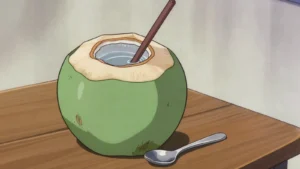
The coconut
- 3young coconuts
- for water and soft flesh
- or 2 tins coconut cream
- full fat, not light
- plus 500 ml coconut water
- or plain water
The starch
- 4 tablespoonscassava starch
- tapioca starch
- or 4 tablespoons cornflour
- or 200 g grated fresh cassava
- mixed with a little cold water
The sweetening
- 100 gsugar
- or to taste
- or 100 ml coconut toddy syrup
- a pinch of salt
Sometimes added
- a little vanilla
- 2pandan leaves, knotted
- a strip of lime peel
- grated fresh coconut, to scatter
To serve
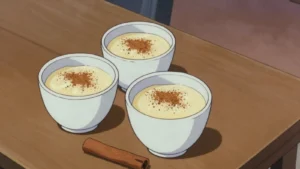
- warm, in bowls
- with a spoon
- or drunk from a cup, if thin
Directions
- Set it on a solid stable surface every time. Keep your other hand well clear of the blade. Use a heavy sharp knife rather than a light one. It makes no medical claim of any kind about it.
- Crack a mature coconut open over a large bowl. Grate the flesh out with a coconut scraper. Put the grated coconut into a clean cloth. Add a little warm water to the grated flesh. The thick first pressing is the coconut cream. Add more water and squeeze again for thinner milk.
- Keep the two pressings separate if you can. The thin milk cooks the porridge base. Shake the tin hard before you open it. Use full fat cream, never a light version. Light coconut milk gives a thin, watery porridge.
- Peel it thickly and cook it right through. Discard any root that tastes bitter at all. Never tip dry starch into hot liquid at all. Mix it with cold water into a smooth slurry. Whisk it until there is no lump remaining. Only then does it go into the hot pan.
- Pour the thin coconut milk into a heavy pan. Add the coconut water if you are using it. Add the sugar and the pinch of salt. Add the pandan leaves if you have them. Knot them so they are easy to fish out later. Heat it gently over a medium to low flame. Stir until the sugar has fully dissolved. Never let coconut milk come to a hard boil. Keep it at a bare simmer throughout the cooking.
- Stir it often as it heats, so it does not catch. Pour it in a thin stream while whisking hard. Whisk constantly as the mixture thickens. It thickens quite quickly, within a minute or two. Keep whisking so no lumps form anywhere.
- Simmer it gently for about five minutes more. The porridge should be thick but still pourable. Add a little more slurry if it is too loose. Cut it into strips or into small pieces.
- Stir it through gently at the very end. It needs only a minute to warm through. Add it off the heat, in the last moments. Long cooking splits the thick cream badly. Stir it through and let the heat warm it. Remove the pandan leaves before serving. Taste it and adjust the sweetness now. It should be clearly sweet but not cloying.
- Add a little vanilla if you are using it. Serve it warm in bowls with a spoon. It is served warm rather than piping hot. Scatter grated fresh coconut over the top. Leftovers keep two days in the refrigerator.
Technique
- Never tip dry starch into hot liquid. Mix it with cold water into a completely smooth slurry first, then pour it in while whisking. Lumps formed at that stage never disperse, and this is the single most important technique in the dish.
- Never let coconut milk boil hard. It splits into grainy oil, which still tastes fine but looks curdled. Keep it at a bare simmer, and add the thick cream off the heat at the very end.
- Use young coconut, not mature. The soft translucent jelly-like flesh is the point; mature flesh is tough and chewy. Add it in the last minute — long cooking makes it rubbery.
- Simmer for five minutes after the starch thickens. Raw starch tastes chalky and floury and needs cooking out.
- Opening a coconut is the real hazard. They are hard, round and they roll, so never hold one in your hand to cut it. Set it on a stable surface, keep your other hand clear, and use a heavy sharp knife — a blunt one bounces.
- Fresh cassava contains cyanogenic compounds and must never be eaten raw or tasted raw; peel it thickly, cook it right through, and discard any root that tastes bitter. Packet cassava starch has already been processed and carries no such risk.
- The pinch of salt is not optional. It sharpens the sweetness, and without it the porridge tastes flat.
- Vaisalo is given to nursing mothers and to people who are unwell, and is understood in Samoa as a restorative. The atlas records that as the genuine belief and practice it is, and makes no medical claim. It is sweet, rich and easily eaten, which suits someone with little appetite — that much can be said without claiming more.
Substitutions
- Tinned full-fat coconut cream replaces freshly pressed; hold back the thick top of the tin for the finish.
- Cornflour replaces cassava starch, giving a softer and less glossy porridge.
- Grated fresh cassava replaces the starch for a heavier version; it needs longer cooking.
- Coconut toddy syrup replaces sugar and is the more traditional sweetener, giving a caramel note.
- Mature coconut flesh replaces young flesh at a real cost, since the soft jelly texture is the point. Chop it much finer if you must.
- Pandan, vanilla or a strip of lime peel are all optional flavourings; the plainest version has none.
Variations
- A thinner version, drunk from a cup rather than eaten with a spoon, is made in some households.
- Fa’ausi and other Samoan coconut sweets belong to the same family of coconut-and-starch dishes.
- Related coconut porridges are made across Tonga, Fiji and the wider Pacific under their own names.
- A version with ripe banana mashed into the porridge is sweeter and is popular with children.
- Some cooks add sago pearls instead of starch, giving a quite different chewy texture.
- A version made with breadfruit rather than cassava starch is heavier and more filling.
History
Given to nursing mothers and the unwell in Samoa as a restorative, and cooked for large family gatherings.
Frequently asked questions
What is Vaisalo?
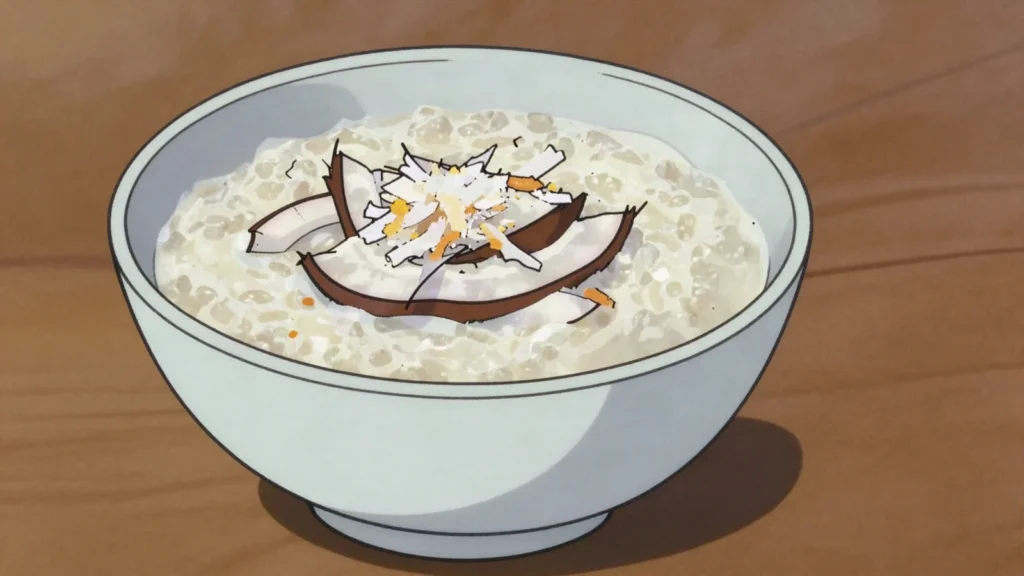
Vaisalo is a dessert from Samoa: thick coconut porridge with young coconut flesh and starch; served warm. Given to nursing mothers and the unwell in Samoa as a restorative, and cooked for large family gatherings.
How long does Vaisalo take to make?
Vaisalo takes 20 minutes of preparation and 25 minutes of cooking. The recipe makes serves 6. It is rated easy to make.
What can I substitute in Vaisalo?
Yes, within limits. Tinned full-fat coconut cream replaces freshly pressed; hold back the thick top of the tin for the finish. Cornflour replaces cassava starch, giving a softer and less glossy porridge. Grated fresh cassava replaces the starch for a heavier version; it needs longer cooking. Coconut toddy syrup replaces sugar and is the more traditional sweetener, giving a caramel note. Mature coconut flesh replaces young flesh at a real cost, since the soft jelly texture is the point. Chop it much finer if you must. Pandan, vanilla or a strip of lime peel are all optional flavourings; the plainest version has none.
What is the most important thing to get right in Vaisalo?
Set it on a solid stable surface every time. Keep your other hand well clear of the blade. Use a heavy sharp knife rather than a light one. It makes no medical claim of any kind about it.