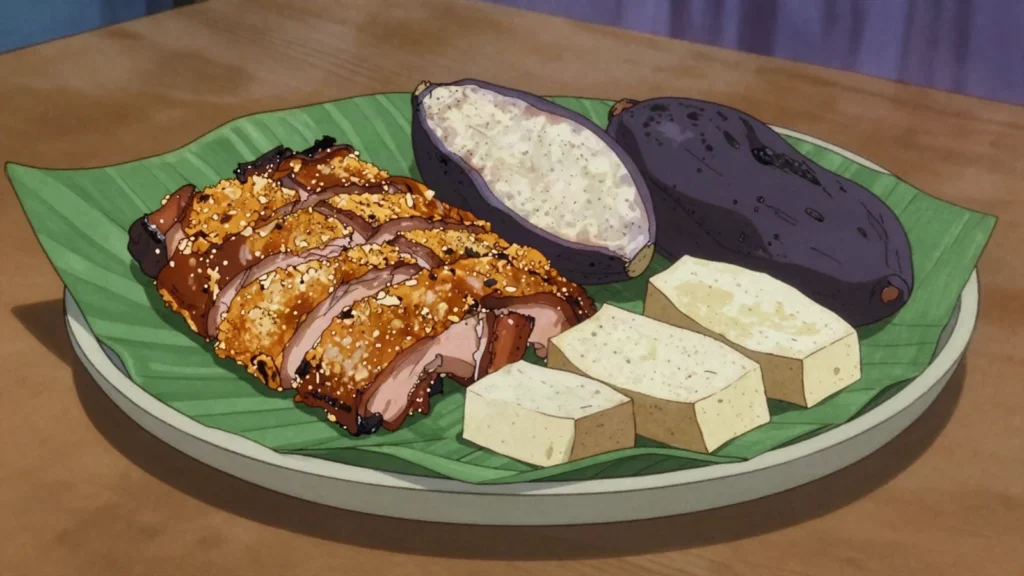

Ingredients
The pit and stones
- a pit about 1 metre across
- dug in bare ground
- hardwood and firewood
- a large quantity of basalt stones
- dense volcanic rock only
- never river or porous stones
- see the safety notes
The meat
- 1whole pig, dressed
- or a large pork shoulder
- or several joints
- salt, to rub
The starches
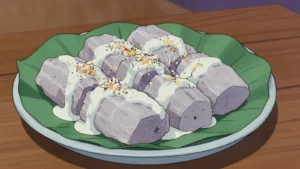
- 10 kgtaro, peeled
- 5 kgyam, peeled
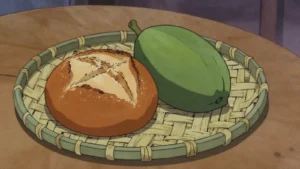
- 10breadfruit, whole
- bananas, green, in bunches
- sweet potato, optional
The covering
- banana leaves, a great many
- banana trunk sections, split
- or hibiscus leaves
- clean sacking or matting
- earth or sand, to seal
Sometimes added
- coconut cream, to pour over
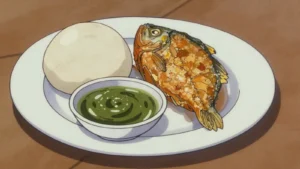
- whole fish, wrapped
- chicken
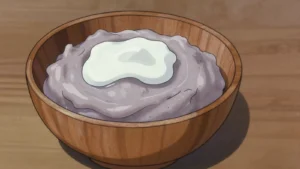
- pounded taro for lihli
Tools
- long green poles, to move stones
- long tongs or forked sticks
- heavy gloves
- buckets of water
- a shovel
Directions
- Use stones that have been used before. Discard any stone that cracks in the fire. Keep everyone well back from the fire. Stand well back as the covering comes off.
- Let the first burst of steam clear. Never lean over an oven being opened. Use long tools rather than reaching in.
- Keep it away from overhanging branches. Never build an earth oven indoors. Line the base with a layer of stones. Pile more stones over and among the wood. Feed it for two to three hours.
- Lay several layers to protect the food. They take the longest to cook through. Lay many layers of leaves over the top. Seal every gap so no steam escapes. Cover any leak with more earth immediately. Do not open it to check at all.
- Leave it for three to five hours. A whole pig needs the longer end. Work from the downwind side of it. Peel back the matting and the leaves.
- Stand well back as the steam escapes. Use long tools to lift the food out. Lay it on clean leaves or on tables. Pork must be cooked right through.
- Check the thickest parts, near the bone. If any part is undercooked, cook it further. Pull the pork apart and pile it up. Serve the taro, yam and breadfruit alongside. Leftovers keep three days refrigerated.
Technique
- Only dense volcanic rock, basalt in the Pacific. Porous stones — river stones especially, which are water-worn — trap water that turns to steam when heated and makes them explode, throwing fragments at speed. This is a documented hazard that causes serious injuries. Never use river stones, unknown rock, concrete or brick, discard any stone that cracks in the fire, and keep everyone well back.
- An opened earth oven releases steam far hotter than boiling water that scalds instantly. Open from the downwind side, stand back as the covering comes off, let the first burst clear, use long tools and never lean over it.
- Earth ovens are outdoor cooking only. Burning wood produces carbon monoxide, which has no colour, smell or taste and kills in enclosed spaces. Never build one indoors or under cover.
- Use green poles to move hot stones. Dry wood catches fire in your hands.
- Do not rush the fire. Two to three hours of hard burning is what gets the stones genuinely hot, and rushing it is the commonest cause of undercooked food.
- Do not open the oven to check. All the stored heat goes and there is no getting it back. A first attempt should err long — overcooked is far better than raw pork.
- Large joints cook unevenly in an earth oven. Check the pork in several places, especially near the bone, and finish anything undercooked in a grill or oven before serving.
- At a Pohnpeian feast the food is distributed according to a ranked system of chiefly titles, with particular cuts of the pig going to particular ranks, alongside prize giant yams and sakau prepared under its own protocol. Taking a portion home is expected rather than greedy. A recipe page cannot convey that whole system; it can note that it exists and that the food sits inside it.
Substitutions
- A large pork shoulder replaces a whole pig for a smaller gathering and cooks in about three hours.
- Sweet potato and cassava replace or supplement taro and yam.
- Hibiscus or ti leaves replace banana leaves where those are unavailable.
- A domestic oven at 140 degrees, with the meat wrapped in leaves and foil, gives a related dish and none of the smoke. The atlas will not pretend it is the same.
- Whole fish and chicken are commonly added alongside the pig.
- Coconut cream poured over the taro before covering enriches it considerably.
Variations
- Umu in Samoa, imu in Hawaii, hangi in New Zealand, lovo in Fiji and mumu in Papua New Guinea are the same principle under different names.
- Lihli, pounded taro, is prepared alongside at Pohnpeian feasts and is a distinct dish in its own right.
- Some cooks put hot stones inside the pig’s cavity, which cooks it from within and shortens the time.
- A version with whole fish wrapped in leaves alongside the pig is common.
- Sakau, the Pohnpeian kava, is prepared at the same events and has its own strict protocol.
- Smaller family earth ovens are made for ordinary Sundays as well as for formal feasts.
History
Central to Pohnpeian feasts, where the oven is opened and food distributed in strict order of title and rank.
Frequently asked questions
What is Uhmw?
Uhmw is a main from Micronesia: earth oven of hot stones baking pig, taro, yam and breadfruit. Central to Pohnpeian feasts, where the oven is opened and food distributed in strict order of title and rank.
How long does Uhmw take to make?
Uhmw takes 3 hours of preparation and 3 to 5 hours of cooking. The recipe makes serves 20 or more. It is rated hard to make.
What can I substitute in Uhmw?
Yes, within limits. A large pork shoulder replaces a whole pig for a smaller gathering and cooks in about three hours. Sweet potato and cassava replace or supplement taro and yam. Hibiscus or ti leaves replace banana leaves where those are unavailable. A domestic oven at 140 degrees, with the meat wrapped in leaves and foil, gives a related dish and none of the smoke. The atlas will not pretend it is the same. Whole fish and chicken are commonly added alongside the pig. Coconut cream poured over the taro before covering enriches it considerably.
What is the most important thing to get right in Uhmw?
Let the first burst of steam clear. Never lean over an oven being opened. Use long tools rather than reaching in.