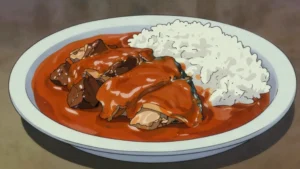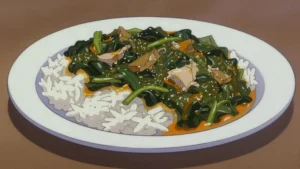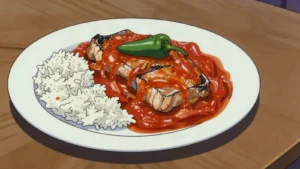

Ingredients
The palm oil
- 250 mlred palm oil
- fermented if you can get it
- or plain red palm oil
- see the note on fermentation
The proteins
- 300 gdried or smoked fish
- soaked and cleaned
- 200 gsmoked meat or beef
- cut into small pieces
- 100 gdried shrimp
- or crayfish, optional
The bitterballs
- 300 gbitterballs
- African aubergine, Solanum aethiopicum
- or garden eggs
- halved or quartered
- or 300 g regular aubergine
- for a much milder stew
The aromatics
- 2onions, chopped
- 6 clovesgarlic, chopped
- 3hot peppers, chopped
- or to taste
- a thumb of ginger, chopped
- 1stock cube
- or salt to taste
The greens
- 200 gbitterleaf
- washed and squeezed repeatedly
- or 200 g collard greens
- for a milder version
- about 500 ml water or stock
To serve
- plain boiled white rice
- or fufu
- cold water
- sliced raw onion
Directions
- Oil palm cultivation drives deforestation. It never removes all of it, and should not. Soak it in hot water for twenty minutes. Remove bones, scales, fins and any grit. Rinse it in several changes of water.
- Start by preparing the bitterballs. Wash them and trim off the stalks. Halve or quarter them depending on size. Boil them for ten minutes and drain them. It melts to a clear orange liquid when warm. Heat it gently over a medium flame. Do not let it smoke at any point. Add the chopped onions to the warm oil.
- Cook them until soft and translucent. That takes about eight minutes. Add the garlic, ginger and hot peppers. Cook them for another two minutes.
- Stir it through and let it colour a little. Add the cleaned dried fish to the pot. Add the dried shrimp or crayfish if using. Stir everything together in the oil. Add water or stock to just cover everything.
- Add the stock cube or season with salt. Bring it to a boil and then lower the heat. Simmer it covered for about forty-five minutes. The bitterballs should become completely soft.
- Mash some of them against the pot side. Leave others whole for texture. Add it in the last twenty minutes. It needs cooking but not for very long. Stir it through and let it simmer. It should be sour, bitter and strongly savoury.
- Adjust the salt carefully at this stage. If it is too bitter for you, add a little more oil. Serve it hot over plain white rice. Drink plenty of cold water with it.
Technique
- This dish is deliberately bitter and sour, and that is the point rather than a fault. Bitterness is a valued flavour in West African cooking in a way it is not in most Western cooking. Anyone approaching it should know what it is before they start; it will not taste like a familiar stew.
- Fermented palm oil is a distinct product from fresh red palm oil, and its sourness is what defines torborgee. Buy it from a West African or Liberian shop. Fresh palm oil sharpened with lime juice approximates it and is not the same thing. Do not attempt to ferment a fat at home casually — uncontrolled fermentation of oil is not predictable.
- Bitterballs are Solanum aethiopicum, small African aubergines, and they are genuinely bitter. Regular aubergine will stand in but produces a much milder and quite different stew, and the atlas says so rather than glossing over it.
- Bitterleaf is washed and squeezed repeatedly to reduce its bitterness, but never all of it — some is wanted. Frozen prepared bitterleaf from an African grocer is the easiest route.
- Soak dried and smoked fish in hot water for twenty minutes, then pick through it carefully for bones, scales, fins and grit, and rinse it several times. Some dried fish in some markets has been treated with pesticides, which is a documented problem; buy from a reputable supplier.
- Do not let palm oil smoke. Overheated it turns acrid and fills the kitchen with harsh smoke — open a window before you start.
- A layer of red oil on the surface is correct and expected. It is not a sign the dish has split.
- Oil palm cultivation drives deforestation, overwhelmingly in Southeast Asia. The oil palm is itself West African in origin and production there is largely smallholder and traditional. The atlas notes that distinction without pretending the global issue does not exist.
Substitutions
- Fresh red palm oil with a squeeze of lime approximates fermented palm oil. It is not the same, and the dish loses its defining sourness.
- Regular aubergine replaces bitterballs, giving a much milder stew.
- Collard greens, kale or spinach replace bitterleaf for a far less bitter version.
- Any smoked or dried fish works; smoked mackerel and stockfish are both used.
- Ground crayfish replaces dried shrimp closely.
- The dish can be made without meat, using dried fish and dried shrimp alone, which is a common thrifty version.
Variations
- Palava sauce and other Liberian palm oil stews belong to the same family with different greens and less sourness.
- A version made with fresh rather than fermented palm oil is milder and is what many cooks make when the fermented oil is unavailable.
- Some households make it with far more bitterleaf and no bitterballs at all.
- Sierra Leonean and Guinean cooks make closely related bitter palm oil stews across the border.
- A version with fresh fish rather than dried is made when the catch is good, and is lighter and less pungent.
- Some cooks add ground egusi seeds, which thickens the stew and softens the bitterness.
History
Built on fermented palm oil and bitterballs, it is one of the strongest-tasting Liberian dishes and is cooked to use up dried and smoked provisions.
Frequently asked questions
What is Torborgee?
Torborgee is a soup & stew from Liberia: sour, bitter palm-oil stew of dried fish, meat and bitterballs. Built on fermented palm oil and bitterballs, it is one of the strongest-tasting Liberian dishes and is cooked to use up dried and smoked provisions.
How long does Torborgee take to make?
Torborgee takes 30 minutes of preparation and 1 hour 30 minutes of cooking. The recipe makes serves 6. It is rated medium to make.
What can I substitute in Torborgee?
Yes, within limits. Fresh red palm oil with a squeeze of lime approximates fermented palm oil. It is not the same, and the dish loses its defining sourness. Regular aubergine replaces bitterballs, giving a much milder stew. Collard greens, kale or spinach replace bitterleaf for a far less bitter version. Any smoked or dried fish works; smoked mackerel and stockfish are both used. Ground crayfish replaces dried shrimp closely. The dish can be made without meat, using dried fish and dried shrimp alone, which is a common thrifty version.
What is the most important thing to get right in Torborgee?
Oil palm cultivation drives deforestation. It never removes all of it, and should not. Soak it in hot water for twenty minutes. Remove bones, scales, fins and any grit. Rinse it in several changes of water.