Ingredients
Broth
- 1.2 kglamb on the bone, shoulder or neck, cut into large pieces
- 2onions, halved and sliced
- 3 tbspsunflower oil or lamb fat
- 2tomatoes, quartered
- 2 tbsptomato puree
- 1 tspground turmeric
- 1 tspground coriander
- 1 tspblack pepper
- 2 tspfine salt
- 2.5 litreswater
Vegetables
- 150 gdried kidney or pinto beans, soaked overnight
- 500 gpotatoes, peeled and quartered
- 2carrots, cut into thick batons
- 2green chillies, whole
To serve
- 2large flatbreads, torn into pieces
- 1 tbspdried mint, crumbled
- 1onion, thinly sliced, and lemon wedges
Directions
- Brown the lamb hard in the oil in a heavy pot over high heat, in two batches, 5 minutes a batch, until the pieces are crusted on at least two sides.
- Lower the heat, add the onions and cook 10 minutes until golden and collapsing, scraping the brown film off the base as they release their water.
- Stir in the turmeric, coriander and pepper for 1 minute, then the tomato puree and fresh tomato, and fry 3 minutes until the paste darkens and smells sweet.
- Add the drained soaked beans and the water, bring to a boil and skim the grey foam off carefully for the first 5 minutes; that skimming is the difference between clear shorwa and cloudy.
- Cover with the lid ajar and simmer very gently for 1 hour 30 minutes, never boiling, until the beans are soft and the lamb pulls from the bone with light pressure.
- Add the potatoes, carrots, whole chillies and salt and simmer a further 30 minutes, until the potato is tender but not disintegrating and the broth has thinned the starch slightly.
- Rest the pot off the heat for 10 minutes and skim the fat from the surface, leaving a thin golden film for flavour.
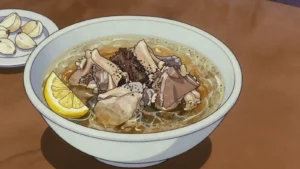
- Line deep bowls with torn bread, ladle the hot broth over so the bread swells, then top with the meat and vegetables, dried mint and raw onion, with lemon alongside.
Technique
- Shorwa is judged on the broth, not the meat. A hard boil emulsifies the fat and makes it grey and heavy; a lazy simmer keeps it golden and clean.
- Serving is a ritual in two stages: the soaked bread and broth first, the meat and potatoes eaten afterwards from a shared platter.
- Bone-in cuts are essential. The collagen from neck and shank is what gives the broth its body, and boneless leg makes a thin, dull soup.
Substitutions
- Goat or mutton is used interchangeably and needs an extra 30 to 45 minutes of simmering.
- Tinned kidney beans can be added with the potatoes instead of dried, though the broth loses some of the starch that thickens it.
Variations
- Shorwa-e-tarkari, the meat-free version, builds the same broth on split peas and vegetables with plenty of dried mint.
- In Kandahar the pot is finished with a handful of fresh coriander and a squeeze of bitter orange.
History
A slow-simmered soup combining lamb, potato and beans, into which bread is traditionally torn and soaked before eating, reflecting a broader pattern found across much of Central and South Asian cooking of using bread as an eating utensil and a way to extend and enrich a simple broth-based dish into a more substantial meal. Its name derives from a Persian root also connected to the word for broth or soup found across several other regional languages influenced by Persian culinary vocabulary, including Indian shorba, reflecting shared linguistic and culinary history across a wide historically Persian-influenced geographic area. Shorwa remains a common, everyday Afghan home-cooked meal, valued as a warming, filling dish particularly suited to Afghanistan’s cold winter months and mountainous, often harsh climate.
Frequently asked questions
What is Shorwa?
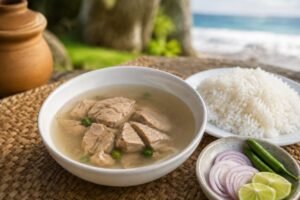
Shorwa is a soup & stew from Afghanistan: slow-simmered lamb, potato and bean broth; bread is torn in. A slow-simmered soup combining lamb, potato and beans, into which bread is traditionally torn and soaked before eating, reflecting a broader pattern found across much of Central and South Asian cooking of using bread as an eating utensil and a way to extend and enrich a simple broth-based dish into a more substantial meal. Its name derives from a Persian root also connected to the word for broth or soup found across several other regional languages influenced by Persian culinary vocabulary, including Indian shorba, reflecting shared linguistic and culinary history across a wide historically Persian-influenced geographic area. Shorwa remains a common, everyday Afghan home-cooked meal, valued as a warming, filling dish particularly suited to Afghanistan’s cold winter months and mountainous, often harsh climate.
How long does Shorwa take to make?
Shorwa takes 25 min of preparation and 2 hr 30 min of cooking. The recipe makes 6 servings. It is rated easy to make.
What can I substitute in Shorwa?
Yes, within limits. Goat or mutton is used interchangeably and needs an extra 30 to 45 minutes of simmering. Tinned kidney beans can be added with the potatoes instead of dried, though the broth loses some of the starch that thickens it.
What is the most important thing to get right in Shorwa?
Add the drained soaked beans and the water, bring to a boil and skim the grey foam off carefully for the first 5 minutes; that skimming is the difference between clear shorwa and cloudy.