Ingredients
The roots and barks
- a pru root and bark mix
- bought ready blended
- from a trusted source
- about 200 g
The spices
- 3 stickscinnamon
- 8cloves
- a piece of dried orange peel
- a few allspice berries
The rest
- 4 litreswater
- 500 gsugar
- or to taste
- a starter from a previous batch
- if you have one
The vessels
- a large pot
- a fermenting jar or demijohn
- a cloth cover
- strong bottles with secure caps
Directions
- Use bottles made for carbonated drinks. Squeeze the bottle when you fill it. It becomes firm as pressure builds. Check the bottles at least twice a day. Never use ordinary glass bottles. Rinse the root and bark mix well. Rinse it in plenty of cold water. Pick out anything that is not plant.
- Put the whole mix into a large pot. Add the water and all the spices. Bring the pot right up to a boil. It takes on the dark bark colour. Let it simmer for about an hour. An hour draws most of the flavour out. Strain the liquid through a cloth. All of the solids must come out.
- Strain it twice if it is cloudy. Press the solids to extract the liquid. Discard all of the boiled solids. Stir the sugar into the hot liquid. Taste it and adjust from there. It should be clearly sweet at this stage. Let the liquid cool completely. Hot liquid kills the fermenting organisms.
- Pour the cooled liquid into a jar. Add a starter if you have one. That takes longer and is less reliable. Cover the jar over with a cloth. The cloth keeps insects and dust out.
- Set the jar somewhere reasonably warm. Leave it for two or three days. It should smell sour and yeasty. Discard it entirely if it smells foul. Discard it if mould grows on top. A thin film is sometimes normal. Pour it into strong plastic bottles.
- Use bottles made for fizzy drinks. Never use ordinary glass at all. Leave real headspace at the top. Leave a few centimetres of air. Do not fill them right to the brim. Check the bottles twice a day. Squeeze the bottle with your hand. A soft bottle is still fermenting. Crack it slowly to release gas. Cold slows fermentation right down.
- Keep them cold from then onward. Serving it is done genuinely very cold. Pour it into glasses over ice. Open the bottle slowly even when cold. Keep releasing the gas as needed. Discard it if it smells wrong.
Technique
- This is made from wild roots and barks, which must be correctly identified — many wild plants are not safe to consume, and that is a genuine and serious matter. Do not gather them yourself unless you truly know the plants. Ready-blended pru mixes are sold in Cuba and in Cuban shops abroad, which removes the identification risk entirely and is what the atlas recommends. The exact blend varies between makers, who guard their own mixes, so the atlas records the practice rather than claiming one formula.
- Fermentation produces carbon dioxide, that gas builds pressure in a sealed bottle, and bottles can and do burst — throwing glass shards and causing real injuries. Home fermenters are hurt by this; it is not theoretical. Use plastic bottles made for carbonated drinks, which swell rather than burst and so give a visible warning, and never ordinary glass or screw-top wine bottles, which fail suddenly and violently. Leave a few centimetres of headspace, check twice a day by squeezing, crack the cap slowly over a sink whenever a bottle feels hard, and refrigerate once fizzy — cold slows fermentation right down and is the main safety control.
- Fermentation also produces some alcohol: a short ferment produces very little and a long one considerably more. Pru is drunk as a soft drink and a short ferment keeps it that way, but say so if serving it.
Substitutions
- A little liquid from a previous batch acts as a starter and carries the fermenting organisms; without one it ferments on wild yeasts from the barks and the air, which takes longer and makes the result more variable.
- Cover the fermenting jar with a cloth rather than sealing it, since it keeps insects and dust out while letting gas escape — a sealed jar builds dangerous pressure.
Variations
- Let the boiled liquid cool completely to room temperature before the fermentation starts, since hot liquid kills the organisms; that takes several hours and cannot be rushed.
- It should smell sour and yeasty as it ferments rather than rotten or foul, and those are genuinely different smells; discard the batch entirely if it smells foul or grows fuzzy coloured mould.
- Oriente is eastern Cuba, with strong Haitian connections from migrants who worked in the sugar there, and that history shaped the region’s culture.
History
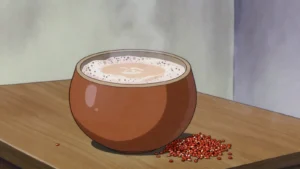
An eastern Cuban drink of Haitian-influenced Oriente, brewed from wild vines and barks and fermented in demijohns.
Frequently asked questions
What is Pru oriental?
Pru oriental is a drink from Cuba: dark fizzy drink fermented from roots, bark and spices, sold in bottles. An eastern Cuban drink of Haitian-influenced Oriente, brewed from wild vines and barks and fermented in demijohns.
How long does Pru oriental take to make?
Pru oriental takes 40 minutes plus fermenting of preparation and 1 hour of cooking. The recipe makes about 4 litres. It is rated hard to make.
What can I substitute in Pru oriental?
Yes, within limits. A little liquid from a previous batch acts as a starter and carries the fermenting organisms; without one it ferments on wild yeasts from the barks and the air, which takes longer and makes the result more variable. Cover the fermenting jar with a cloth rather than sealing it, since it keeps insects and dust out while letting gas escape — a sealed jar builds dangerous pressure.
What is the most important thing to get right in Pru oriental?
Use bottles made for carbonated drinks. Squeeze the bottle when you fill it. It becomes firm as pressure builds. Check the bottles at least twice a day. Never use ordinary glass bottles. Rinse the root and bark mix well. Rinse it in plenty of cold water. Pick out anything that is not plant.