
Ingredients
Coffee
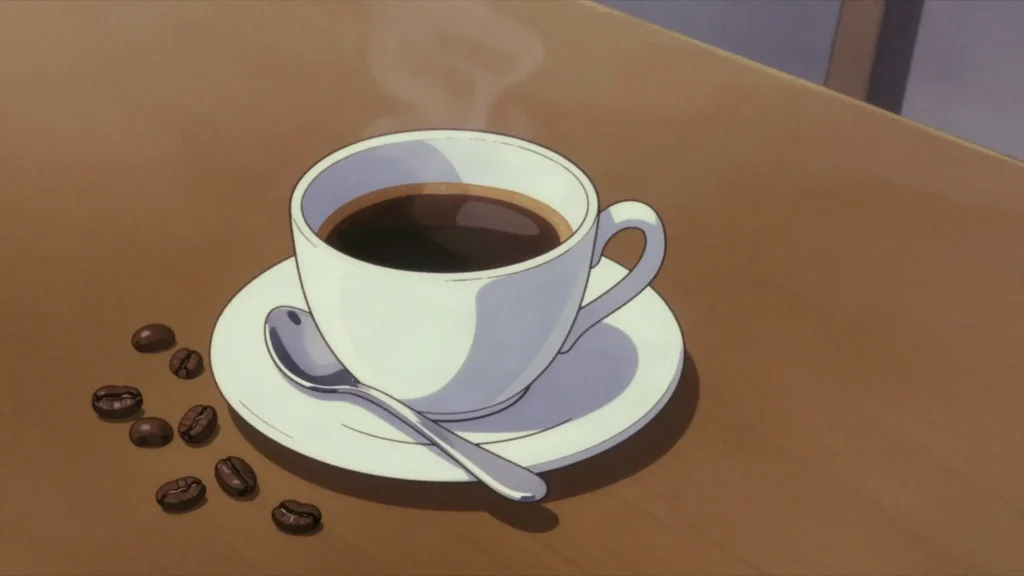
- 30 gGenuine Antigua Coffee beans, whole
- 500 mlwater, at about 94C
Equipment
- a burr grinder
- scales that read to 1 gram
- a pour-over cone, French press or espresso machine
- a kettle, ideally with a thermometer
Sometimes served with
- panela or raw sugar
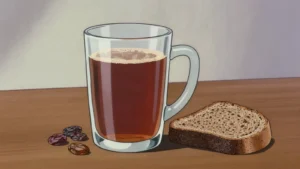
- a piece of bread
- nothing at all
Directions
- Use beans between one and four weeks from roasting. Keep beans in an airtight container.
- Keep them away from light and heat. Do not keep them in the refrigerator. Grind only what you are about to brew. Use a coarse grind for a French press.
- Use a medium grind for a pour-over. Use a fine grind for espresso. Use filtered water if your tap water is heavily chlorinated. Bring it to the boil and let it stand for thirty seconds. That brings it to about ninety-four degrees.
- Use about sixty grams of coffee per litre of water. Spoon measures vary enormously. Rinse the paper filter with hot water first.
- Discard all of the rinse water. Put the ground coffee in the cone. Pour just enough water to wet all the grounds. Wait thirty seconds while it bubbles and swells.
- Keep the water level fairly steady. The whole brew should take about three minutes. Put the coarse grounds in the pot. Pour in all the water at once. Stir it once and put the lid on.
- Leave it to steep for four minutes. Press the plunger down slowly. Pour it out of the pot immediately. Antigua coffee is good enough to drink black.
Technique
- The collapse of the cochineal trade after synthetic dyes were invented reshaped the Guatemalan economy and made coffee the dominant export.
- Antigua is one of several recognised Guatemalan growing regions, alongside Huehuetenango, Coban and others.
Substitutions
- Any good single-origin Central American coffee can be brewed the same way.
- A moka pot or an aeropress both work if you have no cone or press.
Variations
- Cafe de olla style, sweetened with panela and cinnamon, is made in some households.
- Espresso brings out the chocolate notes more strongly.
- Cold brewing gives a smoother, less acidic cup.
History
Coffee replaced cochineal as Guatemala’s main export after synthetic dyes appeared in the 1860s; Antigua’s volcanic valley became its most prized origin.
Frequently asked questions
What is Antigua coffee?
Antigua coffee is a drink from Guatemala: balanced volcanic-soil coffee from the valley around colonial Antigua. Coffee replaced cochineal as Guatemala’s main export after synthetic dyes appeared in the 1860s; Antigua’s volcanic valley became its most prized origin.
How long does Antigua coffee take to make?
Antigua coffee takes 5 minutes of preparation and 5 minutes of cooking. The recipe makes 2 cups. It is rated medium to make.
What can I substitute in Antigua coffee?
Yes, within limits. Any good single-origin Central American coffee can be brewed the same way. A moka pot or an aeropress both work if you have no cone or press.
What is the most important thing to get right in Antigua coffee?
Keep them away from light and heat. Do not keep them in the refrigerator. Grind only what you are about to brew. Use a coarse grind for a French press.