
Ingredients
The base
- 1 kgcassava
- peeled, cored and boiled
- 500 gminced beef
- 2onions, finely chopped
- 3garlic cloves, crushed
- 1 teaspoonground cumin
- 1 teaspoonoregano
- salt and black pepper
To bind
- 1egg
- 3 tablespoonscassava starch
- or plain flour
- if needed
To fry
- oil, for shallow frying
- a heavy pan
To serve
- hot from the pan
- at a market stall
- with a squeeze of lime
Directions
- Peel it thoroughly and discard all the peel. Boil it in plenty of fresh water. Discard that cooking water entirely. Do not eat cassava that tastes bitter.
- Cut the cassava into shorter lengths. Score the skin down each length. Cassava has a thick two-layer peel. Put the peeled pieces in a large pot. Cover them well with plenty of water. Add salt and bring it to a boil. Cooking it takes about thirty minutes.
- Boil it until it is completely soft. A fork should go in with no resistance. Drain all of the cooking water away. Do not use it for anything at all.
- Pull it right out and discard it. Check every single piece for it. Mash the hot cassava thoroughly. Mash it while it is still hot. Hot cassava mashes completely smooth. Work it while it is still warm. Heat a little oil in a heavy pan. Add all the chopped onions to it.
- Cook them for about eight minutes. Add the minced beef to the pan. Break it all up as it starts to brown. Break up every lump as it cooks. Use a wooden spoon to work it. Add the garlic, cumin and oregano.
- Season it with salt and black pepper. Cook it for a few more minutes. Season it more strongly than seems right. Taste it and then adjust the seasoning. Drain off any of the excess fat. It also stops it holding together. Tip it right off before mixing. Let all of the beef cool completely. Hot beef into cassava makes a wet mix.
- Let it cool right down completely first. Mix the mashed cassava and beef together. Add the beaten egg to bind it. Work it all together thoroughly. The beef should be evenly distributed. Squeeze a handful in your palm. It should hold together firmly. Add cassava starch if it is too wet.
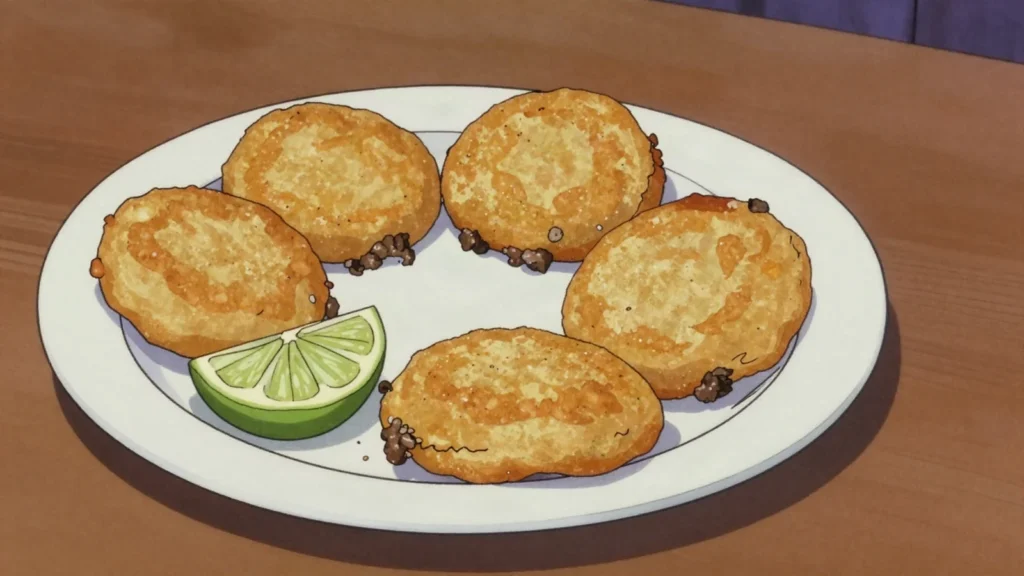
- Add a splash of water if it cracks. Adjust it just a little at a time. Take a handful of the mixture. Flatten it out into a flat patty. Make them flat rather than thick. About a centimetre and a half thick. Make them about the size of a palm. Keep every one of them the same size. Smooth the edges with wet hands. Press any of the cracks closed.
- Heat the oil in a heavy frying pan. About a centimetre of oil is enough. Heat it to about one hundred and eighty degrees. It should sizzle steadily straight away. Turn them carefully with a spatula. Give them another four minutes. Turn them once rather than repeatedly. Judging them takes a careful look.
- Lift them out onto a wire rack. Let all the excess oil drip away. That softens the crust within minutes. Serve them hot straight from the pan. Squeeze lime over them if you like. They keep a day in the refrigerator.
Technique
- The name refers to the Payaguá, a river people of Paraguay whose population was destroyed by colonisation through war, disease and displacement, with the last speakers dying in the twentieth century. That is documented and serious history, and the atlas records it rather than skipping it. The origin of the name itself is not certain — several accounts circulate, some unflattering to the Payaguá, none well documented — so the atlas states what is known and stops rather than repeating a mocking story as fact.
- Cassava contains cyanogenic glycosides that release cyanide when the plant is damaged, and it is never eaten raw in any variety. Peel it thoroughly and discard the whole two-layer peel, boil it in plenty of water and discard that water. Cassava that tastes bitter should not be eaten, since the bitterness signals the compounds.
- Mash the cassava while it is still hot, when it goes completely smooth — cold cassava goes lumpy and stiff. Then let the cooked beef cool completely before mixing, since hot beef makes a wet mixture and cooks the binding egg.
Substitutions
- Plain flour stands in for cassava starch if the mixture needs firming; cassava varies a great deal in moisture, so adjust a little at a time.
- The atlas also carries pastel mandi’o, cassava dough wrapped around a filling; this one mixes the meat right in and the two are quite different in construction.
Variations
- Season the beef more strongly than seems right, since the cassava is bland on its own and the beef has to season the whole patty.
- Make the patties flat, about a centimetre and a half, since flat ones cook through evenly where thick ones stay cool in the middle.
- Smooth the edges with wet hands and press any cracks closed, since cracked edges break apart in the pan.
History
Named after the Payagua people of the Paraguay river; a cheap fried snack of Asuncion’s markets.
Frequently asked questions
What is Payagua mascada?
Payagua mascada is a street food from Paraguay: fried patty of cassava and minced beef, sold from market stalls. Named after the Payagua people of the Paraguay river; a cheap fried snack of Asuncion’s markets.
How long does Payagua mascada take to make?
Payagua mascada takes 40 minutes of preparation and 20 minutes of cooking. The recipe makes about 12 patties. It is rated medium to make.
What can I substitute in Payagua mascada?
Yes, within limits. Plain flour stands in for cassava starch if the mixture needs firming; cassava varies a great deal in moisture, so adjust a little at a time. The atlas also carries pastel mandi’o, cassava dough wrapped around a filling; this one mixes the meat right in and the two are quite different in construction.
What is the most important thing to get right in Payagua mascada?
Peel it thoroughly and discard all the peel. Boil it in plenty of fresh water. Discard that cooking water entirely. Do not eat cassava that tastes bitter.