
Ingredients
The caramel
- 500 gsugar
- 150 mlwater
- 1 tablespoonvinegar
- or lemon juice
- a pinch of salt
To dust and pull
- 150 gplain flour
- toasted lightly
- plus more for the surface
Sometimes flavoured with
- a little vanilla
- or a pinch of cinnamon
To serve
- with green tea
- sucked rather than chewed
- sold loose by weight
Directions
- Keep children well away from the pan. Have a bowl of cold water ready. Let it cool until you can just handle it. Wear clean cotton gloves if you have them. Oil both of your hands lightly. Work quickly once it is workable. Too hot and it burns your hands.
- Drop a little syrup into cold water. It should form hard brittle threads. Heat a dry pan over medium heat. Add the flour and stir it constantly. It should turn a pale golden colour. Stir it constantly so it does not burn. It takes about five full minutes. Tip the toasted flour onto a plate.
- Let all of it cool down completely. Hot flour on hot sugar goes pasty. Spread it out so it cools faster. Dust a marble slab or metal tray heavily. Have everything ready before you start.
- Set out the flour, surface and knife first. Put the sugar and water in a heavy pan. Warm it until the sugar dissolves. Add the vinegar and a pinch of salt. Acid stops the sugar crystallising back. Bring it right up to a full boil. Do not stir it at all once it boils.
- Let it boil undisturbed instead. Swirl the pan gently if needed. Brush them down with a wet brush. Boil it to about one hundred and fifty degrees. It should stay pale rather than browning.
- Take it off before it colours. Take the pan right off the heat. Pour the syrup onto the floured surface. Pour slowly and away from yourself. Do not let it splash about at all. Keep your face well away from it. Set the pan down carefully afterwards.
- Let it cool on the floured surface. Fold the edges into the middle as it does. Use an oiled scraper for that. Never use your hands at this stage. Flour both of your hands heavily. Fold it right back over on itself.
- Twist it as you fold it back over. Repeat that over and over again. That change takes a few minutes. Keep pulling it until it does. It gets stiffer as it keeps cooling. Work briskly all the way through. Pull the mass into a long rope. Roll it to about a centimetre thick. Keep the rope even along its length.
- Dust it with flour as you work. Work fast before the rope sets. Cut the rope into short pieces. Turn the rope a quarter between cuts. Cut them before the rope hardens. Cut them as fast as you possibly can. Toss the cut pieces in toasted flour.
- Coat every one of them all over. The flour stops them sticking together. Toss them while still slightly warm. Spread them out to cool completely. Keep them all in a sealed dry jar. Keep them somewhere dry and cool. A sealed dry jar keeps them separate. Set them out in a small serving dish. They keep several weeks sealed and dry.
Technique
- This works with sugar at around one hundred and fifty degrees — far hotter than boiling water — and molten sugar burns are among the worst kitchen injuries because it sticks to skin and keeps burning rather than brushing off. Never touch or taste it hot, keep children well away, and have a bowl of cold water ready. The pulling is done by hand, so the sugar must cool to workable but not burning, and judging that is the whole difficulty; the window is a minute or two. This is a genuinely difficult sweet that takes practice, and bazaar makers do it daily for years.
- Add a tablespoon of vinegar or lemon juice, which stops the sugar crystallising back into grains and keeps the mass smooth and workable. Do not stir once it boils, since stirring encourages crystallisation, and brush the pan sides down with a wet brush — one stray crystal can turn the whole batch grainy.
- Pulling incorporates air and aligns the sugar crystals, turning the mass from clear amber to pale satiny opaque over a few minutes. Stretch it to arm’s length, fold it back with a twist, and repeat — it stiffens as it cools, so work briskly against a closing window.
Substitutions
- Lemon juice stands in for the vinegar as the acid.
- Marble is the best surface since it cools the sugar; a metal tray works nearly as well, and either must be dusted heavily with flour.
Variations
- Toast the flour in a dry pan for about five minutes until pale golden and nutty, since raw flour tastes chalky, then cool it fully — hot flour on hot sugar goes pasty.
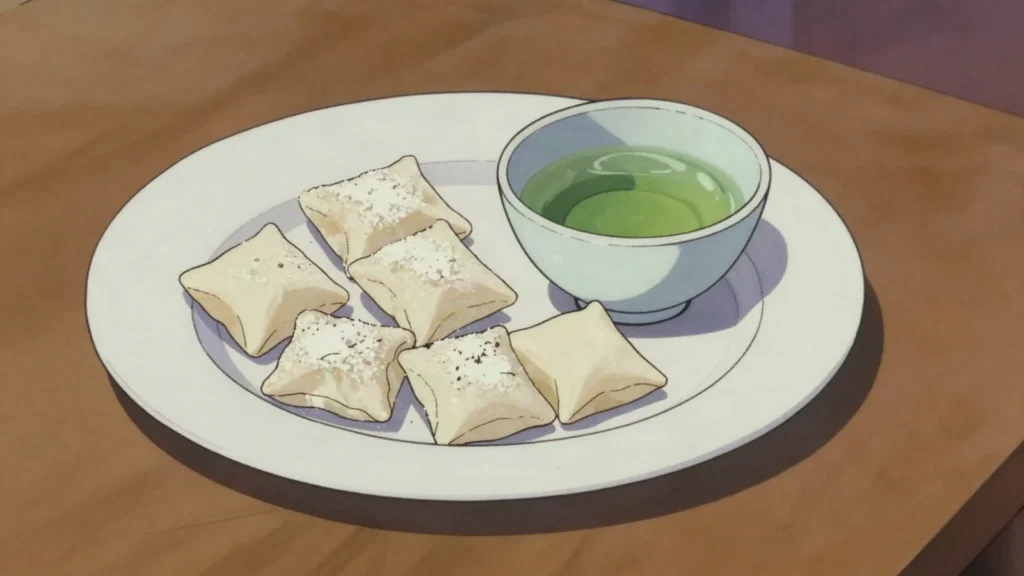
- Turn the rope a quarter turn between cuts, which gives the pillow shape with two pinched ends; cut fast, since a hardened rope shatters instead of cutting.
- A piece is held in the mouth and the tea drunk through it, sweetening each mouthful while the tea itself stays unsweetened — the same idea as Azerbaijani novvat. They are sucked rather than chewed, since hard sweets can crack teeth.
History
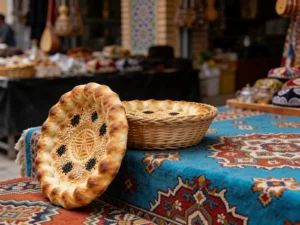
Pulled and cut by hand in bazaars, a cheap sweet sold loose by weight.
Frequently asked questions
What is Parvarda?
Parvarda is a dessert from Uzbekistan: small pillow-shaped caramel sweets dusted with flour, sucked with green tea. Pulled and cut by hand in bazaars, a cheap sweet sold loose by weight.
How long does Parvarda take to make?
Parvarda takes 20 minutes of preparation and 20 minutes of cooking. The recipe makes about 400 g. It is rated hard to make.
What can I substitute in Parvarda?
Yes, within limits. Lemon juice stands in for the vinegar as the acid. Marble is the best surface since it cools the sugar; a metal tray works nearly as well, and either must be dusted heavily with flour.
What is the most important thing to get right in Parvarda?
Set out the flour, surface and knife first. Put the sugar and water in a heavy pan. Warm it until the sugar dissolves. Add the vinegar and a pinch of salt. Acid stops the sugar crystallising back. Bring it right up to a full boil. Do not stir it at all once it boils.