
Ingredients
What to buy
- fresh palm wine
- atan, in Benin
- from a tapper or a market seller you trust
- see the safety note on adulteration
- drunk the day it is tapped
- see the note on why no method is given
To serve
- at room temperature
- or lightly chilled
- in a calabash, a glass or a cup
- stirred or swirled first
- never from a sealed bottle, see the note
To eat with
- grilled meat and fish
- pepper soup
- roasted maize
- kola nut
- akassa
Directions
- Palm wine is the sap of the palm, fermenting as it is drunk.
- It is sweet in the morning and sour by evening.
- In Benin it is called atan. Now to an honest statement, which comes first.
- This entry gives no method for making palm wine.
- The atlas states that plainly.
- Now to the reason, which is simple.
- Palm wine is not made. It is tapped.
- The atlas states that plainly.
- Now to what that means. There is no recipe and no ingredient list.
- There is a palm tree, a cut, and a container.
- Without a palm there is nothing to do.
- The atlas states that plainly.
- Now to the second part of the reason.
- Tapping is a skilled and dangerous trade.
- The atlas states that firmly. Now to why.
- Tappers climb the palm, often daily.
- Falls from palms are a documented cause of serious injury and death.
- The atlas records that as fact.
- Now to a further point. Cutting a palm badly kills it.
- Over-tapping kills it too. The knowledge is about the tree as much as the sap.
- The atlas states that plainly.
- Now to what the atlas gives instead.
- It records what palm wine is and how it is obtained.
- It records how to buy it safely and how to drink it.
- Buying it safely is the part that matters.
- The atlas states that plainly.
- Now to the trees. The oil palm is tapped in Benin.
- The raffia palm is tapped in many places.
- Coconut and date palms are tapped elsewhere.
- The atlas records that plainly.
- Now to how it is obtained, as documented process.
- This is a record rather than an instruction.
- The atlas states that plainly.
- Now to the process. A cut is made into the crown or the flowering stem.
- Sap runs out. A gourd or bottle is tied beneath to catch it.
- The atlas records that plainly.
- Now to the collection. The container is emptied once or twice a day.
- A palm yields for weeks or months.
- The atlas records that plainly.
- Now to a note about felling. Some palms are felled and tapped lying down.
- That gives more sap and ends the tree.
- The atlas records that plainly.
- Now to the crucial fact about the sap.
- It begins fermenting immediately.
- The atlas states that plainly.
- Now to why. Wild yeasts are already on the tree and in the container.
- The sap is sugary and warm. Fermentation starts within an hour.
- The atlas states that plainly.
- Now to what follows. Palm wine has no stable state.
- The atlas states that plainly.
- Now to the timeline. Fresh from the tree it is sweet and barely alcoholic.
- By midday it is fizzy and mildly alcoholic.
- By evening it is sour and stronger.
- By the second day it is sharp.
- By the third it is vinegar. The atlas records that plainly.
- Now to a note about that. That is why it cannot be bottled and shipped in the ordinary way.
- It is a local drink by physical necessity.
- The atlas states that plainly.
- Now to preferences. Some drinkers want the sweet morning sap.
- Some want the sour evening one.
- There is no correct answer. The atlas records that plainly.
- Now to the crucial safety point about pressure.
- Never seal palm wine in a bottle.
- The atlas states that firmly. Now to why.
- It ferments continuously and produces gas.
- A sealed bottle builds pressure.
- It bursts. The atlas states that plainly.
- Now to what follows. Carry it loosely capped and upright.
- Open it slowly and over a sink.
- Keep it cold to slow it down. The atlas states that plainly.
- Now to the second and more serious safety point.
- Adulteration is a documented problem in some markets.
- The atlas states that plainly.
- Now to what that means. Palm wine has been adulterated to sweeten it, to strengthen it, or to make it keep.
- Sweeteners, spirits and other substances have been reported.
- The atlas records that as fact.
- Now to an honest qualification.
- This is a reported problem rather than a universal one.
- Most palm wine is exactly what it says it is.
- The atlas records both rather than alarming or hiding it.
- Now to what follows practically.
- Buy from a tapper or a seller you know.
- Buy where the trade is regular and reputation matters.
- The atlas states that plainly.
- Now to a note about that. Palm wine sold at the roadside by a stranger is of unknown production.
- The atlas states that plainly and without disparaging anyone.
- Now to the third point, about hygiene.
- The collecting container decides a great deal.
- The atlas states that plainly.
- Now to why. Sap sits in it in the heat for hours.
- A dirty container gives a dirty drink.
- The atlas states that plainly.
- Now to what to look for. It should smell yeasty and sweet-sour.
- It should not smell putrid, chemical or of solvent.
- The atlas states that plainly.
- Now to a note about that. A solvent or chemical smell means do not drink it.
- The atlas states that firmly. Now to a further caution about strength.
- Fresh palm wine varies enormously in alcohol.
- There is no label and no measurement.
- The atlas states that plainly.
- Now to what follows. Sweet-tasting palm wine can be stronger than it seems.
- It also strengthens while you are drinking it.
- People misjudge it. The atlas states that plainly.
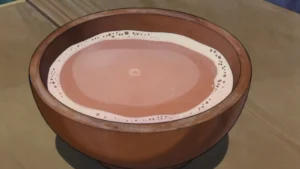
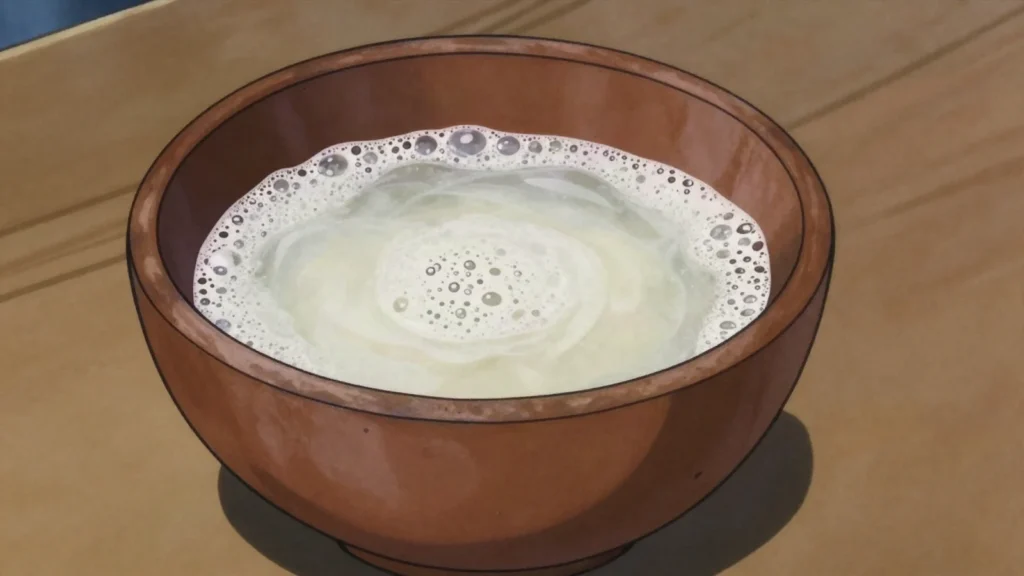
- Now to what it is like. Cloudy and whitish.
- Sweet, yeasty and slightly fizzy when fresh.
- Sour and sharper as it goes. The atlas records that plainly.
- Now to the cloudiness. It is correct.
- The cloudiness is yeast in suspension.
- The atlas states that plainly.
- Now to serving it. Swirl it before pouring.
- The atlas records that plainly.
- Now to the temperature. Room temperature or lightly chilled.
- The atlas records that plainly.
- Now to a note about that. Cold slows the fermentation and mutes the flavour.
- It is drunk both ways. The atlas records that plainly.
- Now to the history in Benin. Palm groves in Benin were expanded in the nineteenth century.
- The atlas records that plainly.
- Now to why. The kingdom of Dahomey turned to palm oil as an export.
- That followed the collapse of the Atlantic slave trade.
- The atlas records that as documented history.
- Now to a note about that. Palm oil replaced enslaved people as the export the kingdom’s revenue rested on.
- That is a plain historical fact about a brutal transition.
- The atlas records it without softening it.
- Now to what followed for the drink.
- More oil palms meant more palms to tap.
- Palm wine and palm oil come from the same groves.
- The atlas records that plainly.
- Now to a cross-reference. The atlas holds an entry for palm oil.
- That carries the fuller account of the palm and its products.
- The atlas cross-references rather than repeating.
- Now to what it is drunk with. Grilled meat and fish.
- Pepper soup. Roasted maize. Kola nut.
- The atlas records that plainly.
- Now to a note about kola. Kola nut is chewed with palm wine across West Africa.
- It is bitter and it contains caffeine.
- The atlas records that plainly.
- Now to where it is drunk. At markets, at ceremonies and at gatherings.
- The atlas records that plainly.
- Now to a note about ceremony. Palm wine is poured in libation in many traditions.
- It is presented at marriages and at meetings of elders.
- The atlas records that plainly and without elaborating on practices it cannot verify in detail.
- Now to what it becomes. Left to go, it becomes palm vinegar.
- That is used in cooking. The atlas records that plainly.
- Now to distillation. Palm wine is distilled into spirit in many countries.
- Sodabi is the Beninese one. The atlas records that plainly.
- Now to an honest statement about that.
- The atlas does not carry distilling methods.
- Home distilling is illegal in most countries and carries a methanol hazard.
- The atlas states that plainly.
- Now to alcohol. This is an alcoholic drink of variable strength.
- The atlas states that plainly and without moralising.
- Now to who should not drink it.
- Anyone pregnant should not drink alcohol.
- Anyone driving should not. Anyone who does not want to should not be pressed.
- The atlas states that plainly and moves on.
- Now to a note about that last point.
- Palm wine is often pressed on guests as hospitality.
- Declining is entirely reasonable.
- The atlas states that plainly.
- Now to keeping it. It does not keep.
- Drink it the day it is tapped, or the next at the latest.
- Keep it cold, upright and loosely covered.
- Never sealed. The atlas states that plainly.
Technique
- Palm wine is not made but tapped: a cut in the crown or flowering stem, and a gourd tied beneath. There is no recipe and no ingredient list, and without a palm there is nothing to do. Tapping is also a skilled and dangerous trade — tappers climb daily, and falls from palms are a documented cause of serious injury and death — and cutting or over-tapping badly kills the tree.
- Never seal it in a bottle. It ferments continuously and produces gas, and a sealed bottle builds pressure until it bursts. Carry it loosely capped and upright, open it slowly over a sink, and keep it cold to slow it down.
- Adulteration has been documented in some markets — sweeteners, spirits and other substances added to sweeten, strengthen or preserve it. This is a reported problem rather than a universal one and most palm wine is exactly what it says it is, but buy from a tapper or seller you know, where the trade is regular and reputation matters.
- It should smell yeasty and sweet-sour. A putrid, chemical or solvent smell means do not drink it.
- The collecting container decides a great deal, since sap sits in it in the heat for hours and a dirty container gives a dirty drink.
- Fermentation starts within an hour of the sap leaving the tree, because wild yeasts are already on the tree and in the container. Palm wine has no stable state: sweet and barely alcoholic fresh, fizzy by midday, sour and stronger by evening, sharp on the second day, vinegar on the third. That is why it cannot be bottled and shipped — it is a local drink by physical necessity.
- Strength varies enormously and there is no label. Sweet-tasting palm wine can be stronger than it seems, and it strengthens while you are drinking it.
- The cloudiness is yeast in suspension and is correct. Swirl it before pouring.
- Dahomey expanded its palm groves in the nineteenth century when the kingdom turned to palm oil as an export after the collapse of the Atlantic slave trade — palm oil replaced enslaved people as the export its revenue rested on, which the atlas records without softening. More oil palms meant more palms to tap, and palm wine and palm oil come from the same groves.
- Left to go, it becomes palm vinegar, used in cooking. Distilled, it becomes sodabi in Benin — and the atlas does not carry distilling methods, since home distilling is illegal in most countries and carries a methanol hazard.
- It is often pressed on guests as hospitality, and declining is entirely reasonable.
- Do not drink alcohol if you are pregnant or driving.
Substitutions
- Raffia, coconut or date palm wine substitute where those palms are tapped.
- Toddy, tuba, tuak, emu and nsafufuo are the same drink under other names.
- Bottled and pasteurised palm wine is sold abroad and tastes quite different.
- Palm vinegar is what it becomes and is used in cooking.
- Fresh coconut water is the non-alcoholic drink from the same family of trees.
- Ginger juice or bissap are the soft drinks served at the same gatherings.
Variations
- Oil palm wine is what is tapped in Benin.
- Raffia palm wine is tapped across much of West Africa.
- Coconut palm toddy is the South and Southeast Asian equivalent.
- Sodabi is the spirit distilled from it in Benin.
- Palm vinegar is the end of the same fermentation.
- Sweet morning sap and sour evening sap are treated as different drinks.
History
Tapped in Benin’s palm groves, which the Dahomey kingdom expanded as an export crop in the nineteenth century after the slave trade collapsed.
Frequently asked questions
What is Palm wine?
Palm wine is a wine & spirit from Benin: sweet-then-sour sap tapped from the oil palm, drunk the day it runs. Tapped in Benin’s palm groves, which the Dahomey kingdom expanded as an export crop in the nineteenth century after the slave trade collapsed.
How long does Palm wine take to make?
Palm wine takes 5 minutes of preparation and none of cooking. The recipe makes buy fresh, by the bottle or calabash. It is rated easy to make.
What can I substitute in Palm wine?
Yes, within limits. Raffia, coconut or date palm wine substitute where those palms are tapped. Toddy, tuba, tuak, emu and nsafufuo are the same drink under other names. Bottled and pasteurised palm wine is sold abroad and tastes quite different. Palm vinegar is what it becomes and is used in cooking. Fresh coconut water is the non-alcoholic drink from the same family of trees. Ginger juice or bissap are the soft drinks served at the same gatherings.
What is the most important thing to get right in Palm wine?
Now to a note about that. A solvent or chemical smell means do not drink it.