
Ingredients
The chicken
- 1.2 kgchicken
- thighs and drumsticks, on the bone
- skin removed
- cut into large pieces
The marinade
- 2 tablespoonsroasted curry powder
- thuna paha, see the note
- 1 teaspoonchilli powder
- half a teaspoon turmeric
- 1 teaspoonsalt
- juice of half a lime
The base
- 3 tablespoonscoconut oil
- or vegetable oil
- 2large onions, sliced
- 6 clovesgarlic, crushed
- a thumb of ginger, grated
- 2green chillies, slit
- a sprig of curry leaves
- a 5 cm piece of pandan leaf
- rampe, optional
- a 5 cm stick of cinnamon
- or a piece of cassia
- 4cardamom pods, bruised
- 4cloves
- 1 teaspoonfenugreek seeds
- use sparingly
The sauce
- 2tomatoes, chopped
- or 1 tablespoon tamarind pulp
- soaked and strained
- 400 mlthin coconut milk
- or water
- 200 mlthick coconut milk
- for the finish
- salt, to taste
To finish
- 1 teaspoonroasted curry powder
- extra, stirred in at the end
- juice of half a lime
To serve
- rice
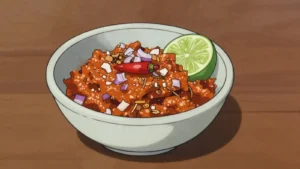
- pol sambola
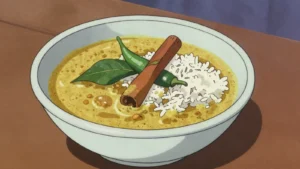
- dhal curry
- a vegetable curry
- papadam
Directions
- Roast coriander first and longest. Roast cumin and fennel more briefly. Roast the rest briefly. They should go genuinely dark brown. Grind them together when cool. Use thighs and drumsticks on the bone. Remove the skin for this curry. It does not crisp in a wet curry.
- Use a separate board and wash everything after. Rub the chicken with the curry powder and spices. Add the salt and lime juice. Work it into every piece. Leave it thirty minutes, or overnight refrigerated. Fenugreek turns very bitter if overcooked. Use it sparingly. A teaspoon is enough for this pot.
- Heat the oil in a heavy pot. It is worth using if you have it. Add the cinnamon, cardamom, cloves and fenugreek. Fry them for thirty seconds. Add the curry leaves and pandan. Stand back, since curry leaves spit.
- Cook them for about ten minutes. They should soften and turn golden. Add the garlic, ginger and green chillies. Cook them for two minutes. Add the marinated chicken with all its spices. Fry it for about five minutes. Turn the pieces to coat them. Do not let the spices catch and burn.
- Add a splash of water if they threaten to. Add whichever you are using. Now add the thin coconut milk. Add it and bring it to a simmer. Season with salt. Never let it boil hard. Keep it at a bare simmer throughout.
- Cover it and simmer for about thirty minutes. The chicken should be tender and cooked through. Pierce the thickest part near the bone. The juices should run clear. Add it at the end, off a high heat. Simmer very gently for five minutes. Thick coconut cream splits most readily. Spoon the thick cream off the top. Use the thin liquid first and the cream at the end.
- Stir in a final teaspoon of roasted curry powder. Add lime juice and taste. The gravy should coat the chicken. Reduce it uncovered if it is loose. Serve it with rice. It keeps three days refrigerated.
Technique
- Use Sri Lankan roasted curry powder, not an ordinary curry powder. The spices are toasted dark before grinding, which is the single most important difference in this cooking, and the pale unroasted blend used for vegetables and fish is not a substitute here.
- Stir in an extra teaspoon of roasted curry powder at the very end. Long cooking dulls the toasted aroma and this restores it — a genuine and common Sri Lankan practice.
- Use the thin coconut milk for the simmer and the thick cream only in the last five minutes, off a high heat. Thick cream splits most readily and long cooking ruins its texture.
- Do not shake the tin. Spoon the thick cream off the top and use the thin liquid beneath — that gives you both stages from one tin.
- Never let coconut milk boil hard at any point. It splits into grainy oil and cannot be brought back.
- Marinate the chicken in the spices for thirty minutes or overnight. The spices penetrate the meat rather than sitting in the sauce, and the difference is real.
- Use thighs and drumsticks on the bone, skin removed. Bones flavour the gravy and bone-in meat stays moist; skin does not crisp in a wet curry and only makes the gravy greasy.
- Use fenugreek sparingly — a teaspoon for this pot. It gives a characteristic note but turns very bitter if overcooked.
- Do not wash raw chicken. Washing splashes campylobacter around the kitchen and removes nothing from the meat.
- Curry leaves are a fresh aromatic leaf and nothing to do with curry powder. Fresh or frozen work; dried have almost no flavour. Pandan, rampe, is the second characteristic leaf and is sold frozen.
- If you roast your own spices, roast each separately since they brown at different rates, take them to genuinely dark brown but never black, and ventilate the kitchen — the smoke is considerable and pungent.
- Tomato gives a fresher sourness and tamarind a deeper, more traditional one. Both are used.
Substitutions
- Shop-bought Sri Lankan roasted curry powder replaces homemade and is worth buying.
- Tamarind replaces tomato for a deeper, more traditional sourness.
- Coconut oil replaces vegetable oil and is what is used in Sri Lanka.
- Water replaces the thin coconut milk, with the thick cream still added at the end.
- Pandan is optional where it cannot be found.
- Goat, lamb or beef make the same curry with a longer simmer.
Variations
- Kukul mas curry made with unroasted curry powder is paler and milder, though roasted is standard for chicken.
- Ela mas curry uses goat and simmers far longer.
- Malu ambul thiyal is the sour dry fish curry made with goraka.
- Parippu, the dhal curry, is on the same plate at almost every meal.
- Pol sambola provides the fresh heat alongside.
- A drier version, cooked down until the gravy clings, is served as a side rather than a main.
Frequently asked questions
What is Kukul Mas Curry?
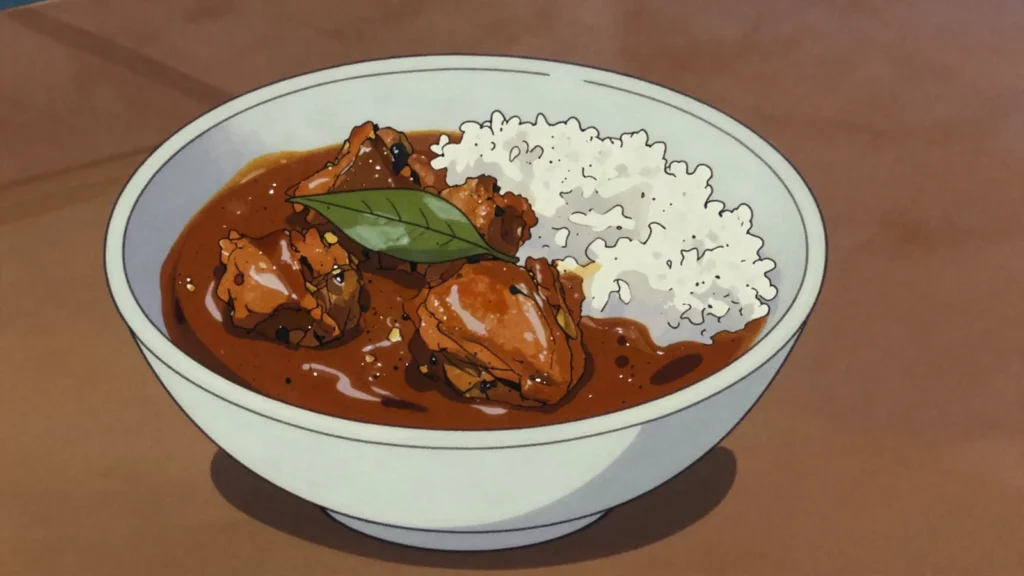
Kukul Mas Curry is a main from Sri Lanka: chicken curry in roasted spice and coconut gravy.
How long does Kukul Mas Curry take to make?
Kukul Mas Curry takes 30 minutes of preparation and 50 minutes of cooking. The recipe makes serves 6. It is rated medium to make.
What can I substitute in Kukul Mas Curry?
Yes, within limits. Shop-bought Sri Lankan roasted curry powder replaces homemade and is worth buying. Tamarind replaces tomato for a deeper, more traditional sourness. Coconut oil replaces vegetable oil and is what is used in Sri Lanka. Water replaces the thin coconut milk, with the thick cream still added at the end. Pandan is optional where it cannot be found. Goat, lamb or beef make the same curry with a longer simmer.
What is the most important thing to get right in Kukul Mas Curry?
Cook them for about ten minutes. They should soften and turn golden. Add the garlic, ginger and green chillies. Cook them for two minutes. Add the marinated chicken with all its spices. Fry it for about five minutes. Turn the pieces to coat them. Do not let the spices catch and burn.