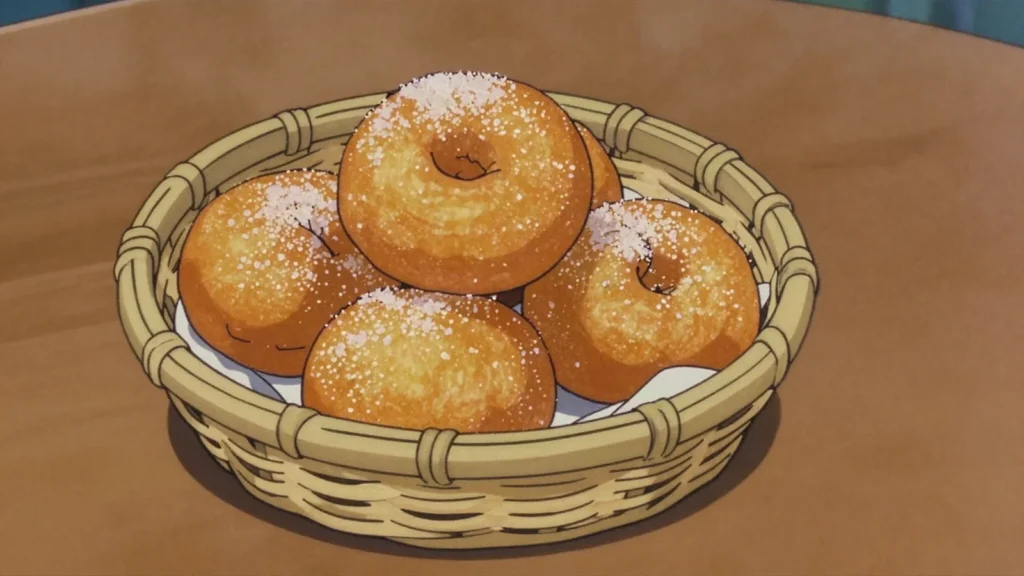

Ingredients
Dough
- 600 gplain flour
- 100 gsugar
- 7 gdried yeast
- 1 teaspoonsalt
- 300 mlwarm water
- or 300 ml warm coconut milk
- 1egg, optional
- 50 gbutter, melted
To fry
- coconut oil, for deep frying
- or any neutral oil
To finish
- caster sugar, for rolling
- or a simple sugar glaze
- grated coconut, optional
To serve
- hot from the pan
- tea or coffee
- at Talamahu market in the morning
Directions
- Flour arrived entirely through trade and import. They are bought hot and eaten straight away. Warm the water or coconut milk gently. It should be warm rather than hot at all.
- Stir the yeast into the warm liquid. Add a spoonful of the sugar to it. Let it stand for about ten minutes. It should foam up noticeably on top. Start again with fresh yeast if so. Put the flour, sugar and salt in a bowl. Make a well in the middle of it. Pour in the foaming yeast mixture.
- Add the melted butter and the egg. Bring it together into a soft dough. Turn it out onto a floured surface. Knead it for a good eight minutes. It should become smooth and elastic. Add a little flour if it clings badly. Rising it takes time and warmth.
- Put the dough in an oiled bowl. Cover it with a cloth or wrap. Leave it somewhere warm to rise. Give it about an hour and a half. Divide it into small even pieces. Roll each one into a smooth ball. Set the shaped pieces on a floured tray. Cover them loosely with a cloth.
- Let them rise again for thirty minutes. They should look visibly puffed up. Pour the coconut oil into a deep pot. Fill it no more than half full. Heat it to about one hundred and seventy degrees. It should rise and bubble steadily. Keep a lid nearby to smother a flare-up. Never put water on an oil fire at all.
- Keep children well away from the pot. Frying them takes care and batches. Turn them over with a slotted spoon. Give them another two minutes. Break the first one open to check. The inside should be cooked and bready.
- Lift them out onto a wire rack. A rack keeps the underside from going soggy. Let all the excess oil drip away. Finishing them is done while hot. Roll them in caster sugar straight away. The sugar sticks best while they are hot. Pile them into a bowl or a paper bag. They are eaten hot with the hands.
Technique
- Keke is the Tongan rendering of cake and isite of yeast, so the name is simply yeast cake; Tongan borrows English words with its own sound system, and that borrowing is visible right in the name.
- Wheat does not grow in Tonga and flour arrived entirely through trade, with yeast breads coming by way of missionaries and traders into a food culture built on taro, yam and breadfruit.
- They are fried in coconut oil, which gives a distinctive sweet flavour and is what the islands produce themselves; neutral oil works but tastes noticeably plainer.
Substitutions
- Warm coconut milk in place of water enriches the dough further.
- Any neutral oil fries them, though coconut oil is what makes them local.
Variations
- Some cooks roll them in sugar and others brush on a thin glaze.
- They are shaped as balls, flattened rounds, twists or knots.
- Grated coconut is pressed onto the outside in some versions.
History
Named from the English yeast cake, these fried buns came with wheat flour and are sold at Nukuʻalofa’s Talamahu market each morning.
Frequently asked questions
What is Keke ‘Isite?
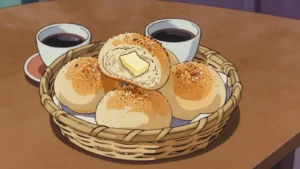
Keke ‘Isite is a bread & pastry from Tonga: golden yeast doughnuts fried in coconut oil, sold hot by the bagful at markets. Named from the English yeast cake, these fried buns came with wheat flour and are sold at Nukuʻalofa’s Talamahu market each morning.
How long does Keke ‘Isite take to make?
Keke ‘Isite takes 30 minutes plus rising of preparation and 25 minutes of cooking. The recipe makes about 24 buns. It is rated medium to make.
What can I substitute in Keke ‘Isite?
Yes, within limits. Warm coconut milk in place of water enriches the dough further. Any neutral oil fries them, though coconut oil is what makes them local.
What is the most important thing to get right in Keke ‘Isite?
Flour arrived entirely through trade and import. They are bought hot and eaten straight away. Warm the water or coconut milk gently. It should be warm rather than hot at all.