
Ingredients
Dough
- 600 gstrong white flour
- 250 mlwarm milk
- 80 gsugar
- 8 ginstant yeast
- 1½ tsp salt
- 1egg
- 70 gbutter, melted
To coat
- 150 gfine dried breadcrumbs
To serve
- hot coffee or tsokolate
- butter
- cheese
- coconut jam
Directions
- Mix the flour, sugar, yeast and salt, then work in the warm milk, egg and melted butter. Knead for 10 minutes until the dough is soft, smooth and slightly tacky.
- Keep it soft. Pandesal should be pillowy and tear apart easily, and a stiff dough gives a dense heavy roll.
- Prove for 1 hour to 1 hour 30 minutes until doubled. Knock the dough back and roll it into a long log about 6 cm thick.
- Cut the log into pieces about 4 cm thick with a sharp knife or a scraper. Set the pieces cut side up on lined trays, spaced about 2 cm apart. Cut face up is how pandesal is baked.
- Sprinkle a few more crumbs over if you want, and prove for a further 45 minutes. They should swell into each other slightly, which keeps the sides soft.
- Bake at 190°C (375°F) for 12 to 15 minutes until pale golden. Take them out while they are still light golden. Pandesal should stay soft and pale rather than crusty and brown.
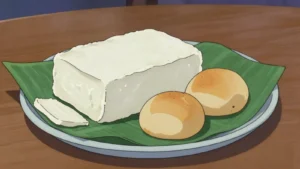
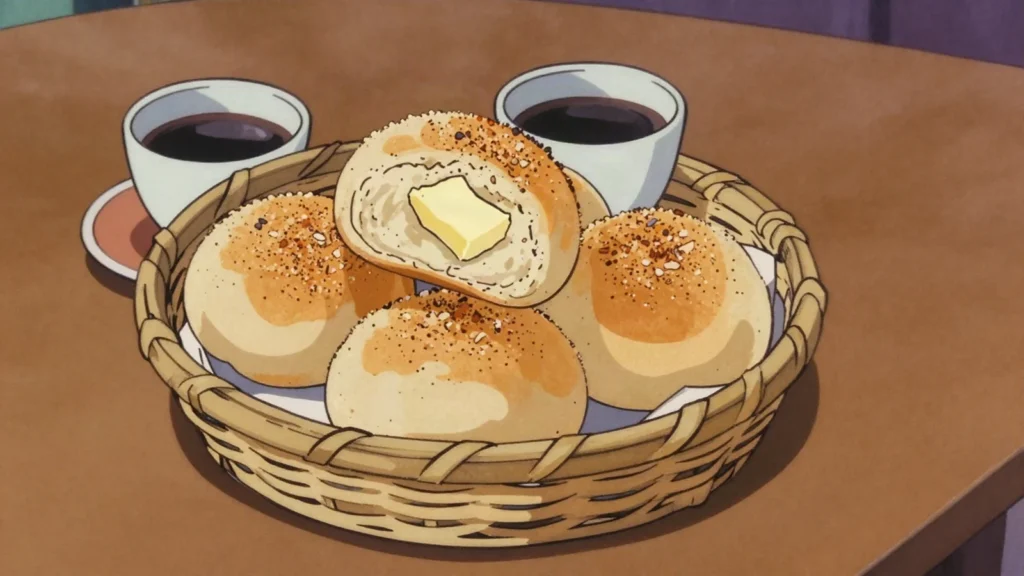
- Cover them with a cloth as they cool, which traps steam and keeps them soft. Eat them warm, split open, with butter or cheese, or dipped straight into hot coffee.
Technique
- Filled versions with cheese, ube or coconut jam are common in modern bakeries.
- Day-old pandesal is toasted or fried in butter rather than thrown away.
- The breadcrumb coating is what distinguishes it from any other soft roll.
Substitutions
- Water in place of milk, which gives a plainer roll.
- Fine dried breadcrumbs are essential; panko is too coarse.
Variations
- Filled with cheese or ube halaya.
- Made with whole wheat flour.
- Malunggay pandesal, with moringa leaf worked through the dough.
History
Spanish-era pan de sal, salt bread, now baked before sunrise in neighbourhood bakeries and eaten dipped in coffee or hot chocolate.
Frequently asked questions
What is Pandesal?
Pandesal is a bread & pastry from Philippines: soft slightly sweet bread rolls coated in breadcrumbs, bought hot at dawn. Spanish-era pan de sal, salt bread, now baked before sunrise in neighbourhood bakeries and eaten dipped in coffee or hot chocolate.
How long does Pandesal take to make?
Pandesal takes 30 min plus 2 hr rising of preparation and 15 min of cooking. The recipe makes about 20 rolls. It is rated easy to make.
What can I substitute in Pandesal?
Yes, within limits. Water in place of milk, which gives a plainer roll. Fine dried breadcrumbs are essential; panko is too coarse.
What is the most important thing to get right in Pandesal?
Bake at 190°C (375°F) for 12 to 15 minutes until pale golden. Take them out while they are still light golden. Pandesal should stay soft and pale rather than crusty and brown.