
Ingredients
Split peas
- 400 gyellow split peas
- water, for soaking
Flavourings
- 6garlic cloves, crushed
- a large bunch of chadon beni
- or a large bunch of coriander
- 4spring onions, sliced
- 2hot peppers, chopped
- 1 teaspoonground cumin
- 1 teaspoonground turmeric
- 1/2 teaspoonbicarbonate of soda
- 2 teaspoonssalt
- 1 teaspoonblack pepper
- 2 tablespoonsplain flour, optional
To fry
- oil, for deep frying
To serve
- tamarind sauce
- pepper sauce
- mango chutney
Directions
- Use rather more of it if substituting. The peas are soaked but never cooked. Rinse the split peas in cold water. Cover them with plenty of cold water. Soak them for at least four hours. They swell to about twice their size. Squeeze a soaked pea between your fingers. It should crush easily into a paste.
- Drain them thoroughly in a colander. Let them sit and drip for ten minutes. Shake off as much water as you can. Wet peas grind into a runny paste. Put the drained peas in a food processor. Add the garlic and the hot peppers.
- Grind them with as little water as possible. Stop and scrape the sides down often. Tip the ground paste into a bowl. Chop the chadon beni very finely. Add it with the sliced spring onions. Add the cumin and the turmeric. Add the salt and black pepper. Mix it all through thoroughly.
- Beat the mixture hard with a spoon. Give it a good three full minutes. Add the bicarbonate at the very end. Fry them soon after adding it. Frying them needs the right heat.
- Pour oil into a deep pan to eight centimetres. Never fill a pan more than halfway with oil. Heat the oil to about 175C for frying. A pinch of paste should sizzle up at once. Drop spoonfuls of the paste into the oil. Use two spoons to push them off cleanly. Or else shape them with wet hands.
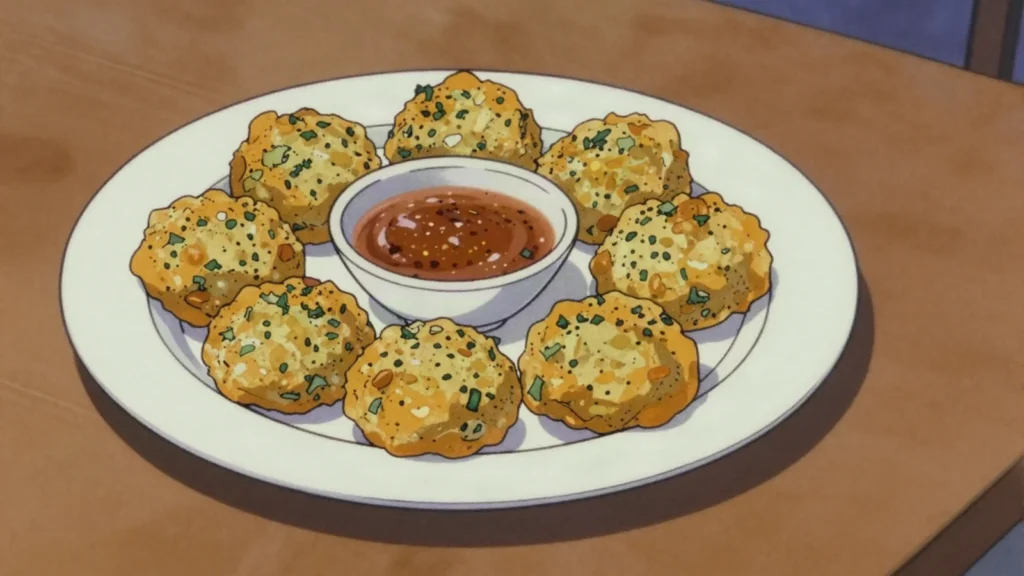
- Fry them for about four minutes. Turn them over as they colour. They should be deep golden all over. Break one open from the first batch. The inside should be cooked right through.
- Lift them out onto a wire rack. A rack keeps them crisp all round. Scatter a little salt over them while hot. Serving them is done immediately. Serve tamarind sauce alongside. Put pepper sauce on the table. They go soft within about twenty minutes.
Technique
- An Indian kachori is a stuffed fried pastry with a wheat shell, while the Trinidadian kachourie is a fritter of ground split peas; the name travelled and the dish changed, as often happens with migrant foods.
- Indentured labourers came to Trinidad from India from eighteen forty-five until nineteen seventeen, around one hundred and forty thousand people working the sugar estates under contract, and their descendants are a large part of the country with their cooking now Trinidadian cooking.
- Pholourie uses split pea flour as a batter and fries into soft round balls, while kachourie uses whole soaked peas ground coarse and fries into a rougher crisper fritter; they are sold side by side but are not the same.
Substitutions
- Coriander stands in for chadon beni, though rather more is needed for the same strength.
- Chilli powder can replace fresh hot peppers.
Variations
- Some cooks add a little flour to bind the paste.
- Pholourie is sold alongside from the same oil.
- Tamarind sauce is the standard partner, with pepper sauce on the table.
History
Another Indo-Trinidadian street fritter, sold alongside pholourie from the same hot oil.
Frequently asked questions
What is Kachourie?
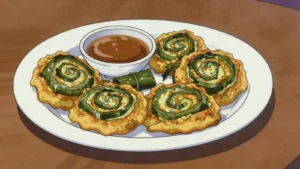
Kachourie is a snack from Trinidad and Tobago: fried split-pea and herb fritters eaten with tamarind and pepper sauce. Another Indo-Trinidadian street fritter, sold alongside pholourie from the same hot oil.
How long does Kachourie take to make?
Kachourie takes 20 minutes plus soaking of preparation and 20 minutes of cooking. The recipe makes about 30 fritters. It is rated medium to make.
What can I substitute in Kachourie?
Yes, within limits. Coriander stands in for chadon beni, though rather more is needed for the same strength. Chilli powder can replace fresh hot peppers.
What is the most important thing to get right in Kachourie?
Use rather more of it if substituting. The peas are soaked but never cooked. Rinse the split peas in cold water. Cover them with plenty of cold water. Soak them for at least four hours. They swell to about twice their size. Squeeze a soaked pea between your fingers. It should crush easily into a paste.