
Ingredients
Fonio
- 400 gwhite fonio (Digitaria exilis), from the Fouta Djallon
- Plenty of cold water, for washing
- 1 tspfine salt
- 2 tbspgroundnut oil or shea butter
Peanut sauce
- 200 gunsweetened roasted peanut paste
- 2onions (about 250 g), finely chopped
- 4tomatoes (about 400 g), chopped
- 2 tbsptomato purée
- 2scotch bonnet peppers, 1 chopped and 1 left whole
- 4garlic cloves, crushed
- 20 gfresh ginger, grated
- 60 mlgroundnut oil
- 800 mlwater or vegetable stock
- 2sweet potatoes (about 400 g), peeled and cubed
- 200 gokra, trimmed
- 1 tspsalt
Equipment
- A couscoussier, or a steamer basket lined with muslin over a wide pot
Directions
- Wash the fonio in three or four changes of cold water, rubbing the grain between your palms and pouring off the cloudy water each time, until it runs clear. This removes the fine sand from threshing and is never skipped in Guinea.
- Drain the washed grain in a fine sieve for 10 minutes, then rub it through your fingers with a little oil and salt so it stays loose and separate.
- Set the couscoussier over its pot of water or, better, over the simmering sauce so the steam carries the sauce’s aroma into the grain.
- Steam the fonio for 15 minutes from the moment the steam comes through, then tip it into a wide bowl.
- Sprinkle over 150 ml of hot water, breaking up every lump with a wooden spoon or your fingertips, and leave it to swell for 10 minutes.
- Return it to the basket and steam a second time for 12–15 minutes. The double steaming is what gives fonio its famously light, dry, separate grain; steaming once leaves it heavy and pasty.
- For the sauce, fry the onion in the oil for 8 minutes until golden, then add the garlic, ginger, chopped pepper and tomato purée and fry 3 minutes more.
- Add the chopped tomatoes and cook them down for 10 minutes until the oil separates, then pour in the water and bring to a simmer.
- Slacken the peanut paste with a ladle of the hot liquid until smooth and stir it in, then simmer very gently for 25 minutes, stirring often, until a slick of groundnut oil rises to the surface.
- Add the sweet potato, the okra, the whole pepper and the salt and cook 15 minutes more until tender, then lift the whole pepper out.
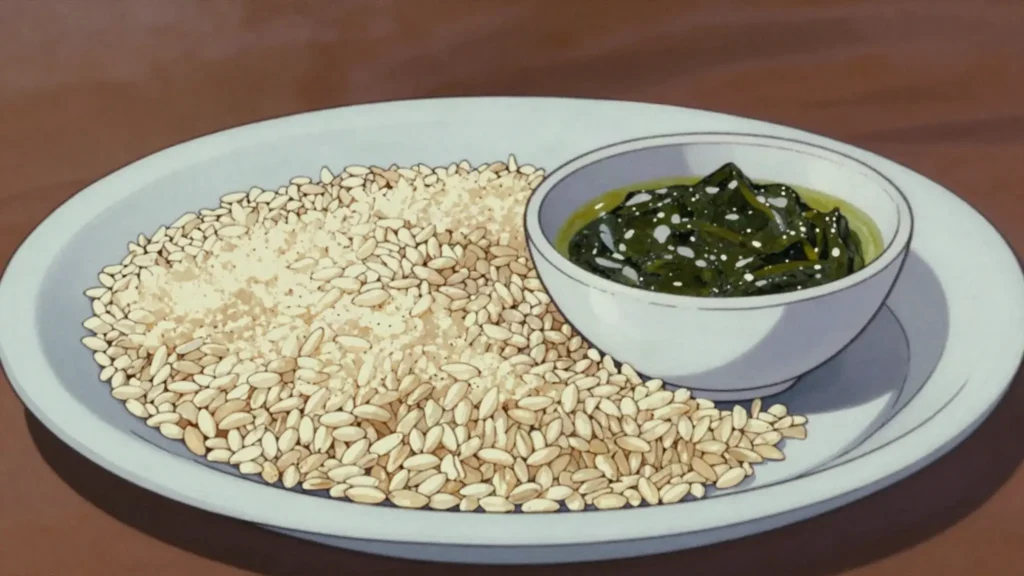
- Fluff the fonio with a fork, mound it in wide bowls, and ladle the peanut sauce into a well in the centre.
Technique
- Fonio is one of Africa’s oldest cultivated cereals and the staple of the Fouta Djallon highlands. It cooks in minutes, needs no fertiliser and ripens in six to eight weeks, which is why it is the harvest that arrives before all others.
- The grain is tiny, roughly the size of a grain of sand, so it must be washed rather than rinsed, and it will slip through anything but the finest sieve.
- Never boil fonio like rice. It turns to paste. Steaming it twice is the traditional Guinean method and is the whole difference between good and bad fonio.
- Peanut paste must be unsweetened and unstabilised. Sweetened commercial peanut butter turns the sauce cloying and stops the oil separating properly.
Substitutions
- No couscoussier: line a metal steamer or colander with muslin, set it over a pot and seal the gap with a strip of damp cloth or foil so the steam cannot escape at the sides.
- No fonio: fine couscous or quinoa cooked by the same double-steam method is the nearest texture, though neither has fonio’s faint grassy sweetness.
Variations
- Fonio with sauce feuille, the pounded leaf sauce of the Fouta Djallon.
- Fonio djouka, mixed with pounded groundnut and steamed together.
- Sweet fonio, served with sour milk, honey or sugar for breakfast.
History
An ancient grain, among the oldest cultivated cereals in West Africa, with archaeological and historical evidence suggesting cultivation across the Sahel and West African savanna regions for thousands of years, predating the more recent introduction of maize and rice from other continents. Fonio’s extremely short growing cycle, able to mature and be harvested in as little as six to eight weeks, made it historically valuable as a reliable food source in regions with unpredictable rainfall, and Guinea remains one of the countries where fonio cultivation and consumption has continued most prominently, cooked similarly to couscous or rice as a base for meals. Fonio has more recently attracted international attention as a nutritious, drought-resistant grain of renewed interest amid discussions of climate-resilient agriculture.
Frequently asked questions
What is Fonio?
Fonio is a main from Guinea: fouta Djallon’s featherlight steamed grain with leaf or peanut sauces. An ancient grain, among the oldest cultivated cereals in West Africa, with archaeological and historical evidence suggesting cultivation across the Sahel and West African savanna regions for thousands of years, predating the more recent introduction of maize and rice from other continents. Fonio’s extremely short growing cycle, able to mature and be harvested in as little as six to eight weeks, made it historically valuable as a reliable food source in regions with unpredictable rainfall, and Guinea remains one of the countries where fonio cultivation and consumption has continued most prominently, cooked similarly to couscous or rice as a base for meals. Fonio has more recently attracted international attention as a nutritious, drought-resistant grain of renewed interest amid discussions of climate-resilient agriculture.
How long does Fonio take to make?
Fonio takes 25 min of preparation and 45 min of cooking. The recipe makes 4 servings. It is rated medium to make.
What can I substitute in Fonio?
Yes, within limits. No couscoussier: line a metal steamer or colander with muslin, set it over a pot and seal the gap with a strip of damp cloth or foil so the steam cannot escape at the sides. No fonio: fine couscous or quinoa cooked by the same double-steam method is the nearest texture, though neither has fonio’s faint grassy sweetness.
What is the most important thing to get right in Fonio?
Wash the fonio in three or four changes of cold water, rubbing the grain between your palms and pouring off the cloudy water each time, until it runs clear. This removes the fine sand from threshing and is never skipped in Guinea.