
Ingredients
What is in the bottle
- Fernet Branca, a bitter amaro at 39% ABV, made in Milan since 1845 and in Argentina since 2007
- 27botanicals macerated and infused in grape spirit; the exact recipe is a family secret held by Fratelli Branca
- Documented among them: aloe ferox, gentian root, rhubarb root, gum myrrh, chamomile flowers, galangal, bitter orange peel, cardamom, cinchona bark and saffron
- Caramel, for colour, and a small quantity of sugar syrup
To serve neat or long
- 50 mlFernet Branca, at room temperature or lightly chilled
- 200 mlcola, or 150 ml soda water, if drinking it long
- Ice, for a long drink
- 1 sliceof orange, optional
Glassware
- A small tulip or shot glass for a digestif
- A tall 500 ml glass for a long drink
Directions
- Understand what it is: an amaro, not a spirit flavoured after the fact. Dried botanicals are macerated in grape alcohol and water, some for weeks, and separate infusions are blended.
- Saffron is infused separately and added last; it is the most expensive component and Fratelli Branca is one of the world’s larger buyers of it.
- The blend is rested in Slavonian oak vats for around a year, which rounds the fiercest bitterness without adding much wood flavour.
- It is bottled at 39% ABV with no filtration for clarity beyond what the vats give, which is why it stays opaque and dark brown.
- To drink it as a digestif in the Italian manner, pour 50 ml neat into a small glass at room temperature and sip it slowly after a heavy meal.
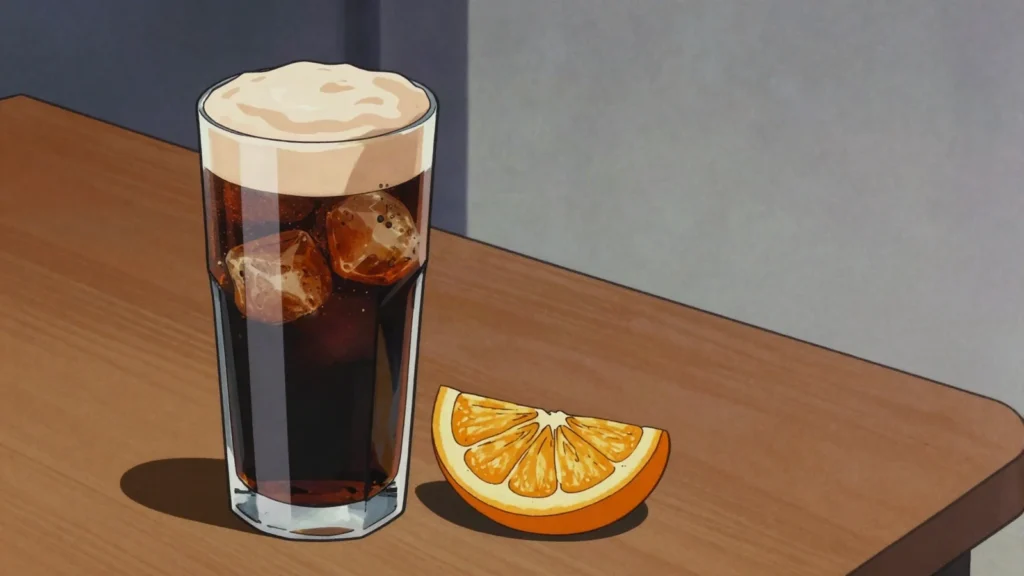
- To drink it as Argentines do, fill a tall glass with ice, pour the Fernet first, then the cola down the side, and stir once. Argentina consumes the majority of world production, almost all of it this way.
- For a bitter aperitivo, replace the cola with soda water and a slice of orange, which lets the myrrh and gentian show.
- Serve immediately. Fernet’s aromatics blow off quickly once poured over ice.
Technique
- This is a commercial product with a genuinely secret recipe. Any published home clone is guesswork; making a decent bitter amaro at home is possible, but calling it Fernet Branca is not honest.
- Fernet is medicinal in origin, sold in the nineteenth century as a tonic against cholera and stomach complaints, and its reputation as a digestif comes from that.
- Argentina’s attachment dates from Italian immigration and became a mass habit in Córdoba in the 1980s and 1990s; the Branca plant at Tortugas, Santa Fe, opened in 2007 to supply the domestic market.
- Serve it cool but not ice-cold neat: over-chilling flattens the aromatics and leaves only bitterness.
Substitutions
- No Fernet Branca: Fernet Branca Menta is sweeter and mintier, and other fernets such as Vittone or Capri behave similarly in a long drink.
- For a lower-alcohol bitter, use Cynar or Amaro Averna, though both are notably sweeter and less medicinal.
Variations
- Fernet neat as a digestif, the Italian way.
- Fernet con coca, the Argentine long drink.
- Fernet with soda and orange, drunk as a bitter aperitivo.
History
Created in Milan in 1845 by Bernardino Branca; Italian immigrants carried it to Cordoba, and Argentina now drinks most of world production.
Frequently asked questions
What is Fernet-Branca?
Fernet-Branca is a wine & spirit from Argentina: bitter herbal amaro, drunk long with cola or neat as a digestif. Created in Milan in 1845 by Bernardino Branca; Italian immigrants carried it to Cordoba, and Argentina now drinks most of world production.
How long does Fernet-Branca take to make?
Fernet-Branca takes 5 min to serve of preparation and 12 months in oak, at the distillery of cooking. The recipe makes 1 bottle, 750 ml (about 25 servings). It is rated hard to make.
What can I substitute in Fernet-Branca?
Yes, within limits. No Fernet Branca: Fernet Branca Menta is sweeter and mintier, and other fernets such as Vittone or Capri behave similarly in a long drink. For a lower-alcohol bitter, use Cynar or Amaro Averna, though both are notably sweeter and less medicinal.
What is the most important thing to get right in Fernet-Branca?
It is bottled at 39% ABV with no filtration for clarity beyond what the vats give, which is why it stays opaque and dark brown.