The fruit of the vine — eaten fresh, dried into raisins, pressed into juice and wine, boiled down into syrups, pickled as verjuice — and in the kitchen a fruit used raw far more often than cooked.
Where it comes from
The grapevine was domesticated in the Caucasus and the Near East about eight thousand years ago and spread with wine; the Egyptians, Greeks and Romans grew it, and Rome planted it through Europe. Wine grapes and table grapes diverged early — wine grapes small, thick-skinned and high in sugar and acid; table grapes large, thin-skinned, crisp and mild — and most of the world’s grapes are grown for wine. The seedless table grape is a modern preference: Thompson Seedless, the pale green supermarket grape, came from a nineteenth-century Californian vineyard.
In the kitchen grapes appear in a few clear roles. Fresh in salads and with cheese; roasted with sausages or game birds, where their juice becomes the sauce; in the French clafoutis-like tarts of the Languedoc and the Italian schiacciata con l’uva bread; and as their products — verjuice, the sour juice of unripe grapes used before lemons reached Europe, and the grape syrups (Turkish pekmez, Italian saba, Greek petimezi) that sweetened the Mediterranean before sugar. Vine leaves, blanched and stuffed, are a dish across the eastern Mediterranean.
Varieties
- Thompson Seedless (sultana) — Pale green, small, crisp, mild. The everyday table grape and the source of sultanas.
- Red Globe, Crimson, Flame — Large red table grapes, sweet and juicy; for eating.
- Muscat — Golden, perfumed, with a distinct honeyed aroma; a dessert grape and the grape of Muscat wines.
- Concord — The American slip-skin grape — deep purple, musky, foxy; the grape of grape juice, jelly and jam.
- Wine grapes — Small, seedy, intense: Cabernet, Pinot Noir, Riesling and hundreds more; rarely sold as fruit but used in regional harvest cooking.
- Verjuice — The juice of unripe grapes; a mild sour seasoning used like lemon in dressings and sauces.
In the kitchen
Raw, with cheese, in a salad with fennel or bitter leaves, or halved into a chicken salad. Roasted whole on the vine or off, beside sausages, quail or pork, until they blister and release their juice — the Tuscan salsiccia e uva. Frozen whole they are a sweet that needs no work.
Grape syrup — pekmez, saba — is a sweetener with depth, over yoghurt, tahini or ice cream. Verjuice deglazes a pan and dresses a salad where lemon would be too sharp. Vine leaves are blanched, then rolled around rice for dolma.
Choosing and keeping
Firm, plump grapes still firmly attached to a green, flexible stem; the pale bloom on the skin is natural and a sign of freshness. They keep a week or more in the fridge, unwashed. Wash just before eating.
Grapes do not ripen after picking. Grape syrups and verjuice keep for months in a cupboard once opened. Vine leaves in brine keep for a year.
Dishes with grape
 TorrontésAromatic white wine, floral on the nose and dry on the palate
 Churchkhelastrung walnuts dipped in thickened grape must, dried into chewy candles
 Sherryfortified Andalusian wine aged in solera, from dry fino to sweet PX
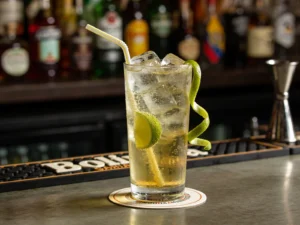 SinganiAromatic brandy distilled from high-altitude Muscat of Alexandria grapes
 Shir BerenjSlow-simmered milk and rice pudding scented with cardamom, eaten cool
 SiraLightly fermented grape must, cloudy and sweet-sour, drunk cold at kebab houses.
 TannatDark tannic red wine, Uruguay's national grape, drunk with asado
 Koulourisesame-crusted bread ring sold from morning carts
Grapes is tagged on 65 dishes from 38 countries in the atlas. These notes are written from general knowledge and carry no per-fact citation — see About.