
Ingredients
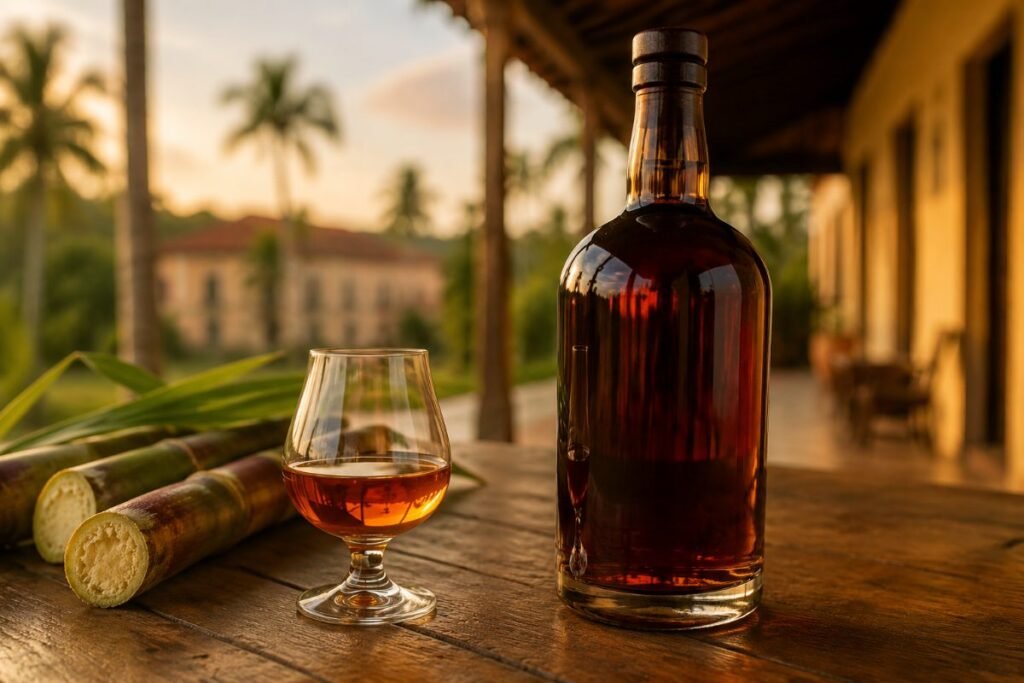
What the distillery works with
- sugarcane molasses from the Cibao and the south coast, diluted to about 20 Brix
- proprietary distillery yeast
- spring water for reduction
- charred ex-bourbon American oak barrels
- for anejo blends, a solera of barrels of different ages
Santo Libre, the everyday serve
- 60 mlaged Dominican rum
- 150 mllemon-lime soda, very cold
- half a lime, in wedges
- cubed ice, to fill a highball
Directions
- Dominican rum begins with molasses, not cane juice. It is diluted, adjusted for acidity, and pitched with the house yeast strain.
- Fermentation runs 30–48 hours to about 7% ABV. Longer, cooler ferments here give the fruity esters that mark the Dominican style as rounder and softer than Cuban rum.
- Distillation is in continuous columns, taking the spirit high and clean, then reducing it with spring water before the barrel.
- Ageing happens in charred ex-bourbon American oak in tropical heat. The angel’s share is 6–8% a year, several times the Scottish rate, so a Dominican five-year-old tastes far older than a European five-year-old.
- Master blenders marry barrels of different ages, some houses running a solera system, then filter lightly and bottle at 37.5–40% ABV.
- To drink it as Dominicans do, taste the anejo neat at room temperature in a small tumbler first, with no ice, to read the vanilla, toffee and dried banana.
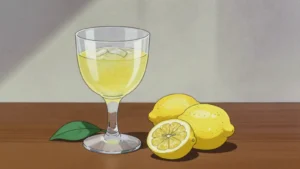
- For a Santo Libre, fill a highball with cubed ice, pour the rum over, top with cold lemon-lime soda and squeeze in two lime wedges, dropping them into the glass. Stir once and drink cold.
Technique
- Brugal, Barcelo and Bermudez, the three big houses, are collectively nicknamed the three Bs, and the Dominican Republic protects ron dominicano as a denomination of origin.
- Tropical ageing is the real difference. Heat drives the spirit in and out of the wood far faster, which is why Caribbean age statements are not comparable with Scotch or Cognac.
- Do not judge an anejo over ice on first pour. The sugar-rounded, soft palate that defines the style only shows at room temperature.
Substitutions
- No Dominican rum: an aged Puerto Rican or Guatemalan rum gives a similar soft, vanilla-forward profile. Avoid heavy Jamaican pot-still rums, which are a different animal entirely.
Variations
- Mamajuana: a bottle of rum, red wine and honey poured over a jar of tree bark, herbs and leaves, macerated for weeks and drunk in shots.
- Cuba Libre dominicano, made with cola and a heavier squeeze of lime than the Cuban original.
History
The three great houses are Bermudez, founded in 1852, Brugal in 1888 and Barcelo in 1930; the country protects ron dominicano as a denomination.
Frequently asked questions
What is Dominican rum?
Dominican rum is a wine & spirit from Dominican Republic: smooth aged molasses rum drunk neat or with cola and lime. The three great houses are Bermudez, founded in 1852, Brugal in 1888 and Barcelo in 1930; the country protects ron dominicano as a denomination.
How long does Dominican rum take to make?
Dominican rum takes 10 min of preparation and 5–12 years ageing of cooking. The recipe makes 1 bottle (700 ml) plus a serve for 1. It is rated hard to make.
What can I substitute in Dominican rum?
Yes, within limits. No Dominican rum: an aged Puerto Rican or Guatemalan rum gives a similar soft, vanilla-forward profile. Avoid heavy Jamaican pot-still rums, which are a different animal entirely.
What is the most important thing to get right in Dominican rum?
Tropical ageing is the real difference. Heat drives the spirit in and out of the wood far faster, which is why Caribbean age statements are not comparable with Scotch or Cognac.