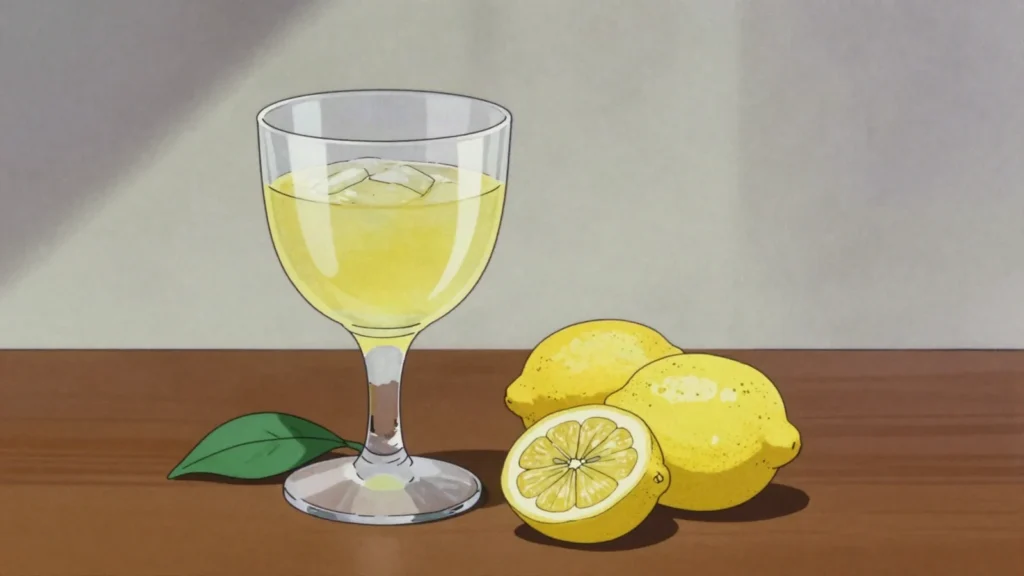

A lemon-peel liqueur from the Amalfi coast and Sorrento, served ice cold in small glasses after a meal. Capri families claim its commercial origin in the early twentieth century, and its whole character comes from the peel rather than the juice.
The base is a high-strength distilled spirit, which cannot legally be made without a licence, and the commercial versions use PGI lemons from a defined coastal strip.
What goes into it
- the zest of Sorrento or Amalfi lemons, with no white pith
- a neutral spirit
- sugar
- water
How it is made
The coloured zest is pared from the lemons, avoiding the bitter white pith, and steeped in high-strength neutral spirit for days or weeks until the alcohol turns bright yellow and has drawn out the essential oils. The peel is strained off, sugar syrup is stirred in, and the mixture goes opaque as the oils come out of solution.
How long it takes: days to weeks of steeping, then a rest after sweetening
How it is eaten
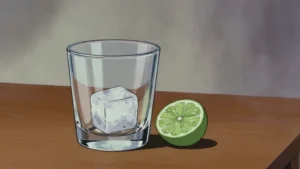
From the freezer, in a small chilled glass, after dinner.
History
Made from the peel of Sorrento and Amalfi lemons steeped in alcohol; Capri families claim its commercial origin in the twentieth century.
Frequently asked questions
What is Limoncello?
Limoncello is a wine & spirit from Italy: amalfi lemon-peel liqueur served ice cold. Made from the peel of Sorrento and Amalfi lemons steeped in alcohol; Capri families claim its commercial origin in the twentieth century.
How is Limoncello made?
The coloured zest is pared from the lemons, avoiding the bitter white pith, and steeped in high-strength neutral spirit for days or weeks until the alcohol turns bright yellow and has drawn out the essential oils. The peel is strained off, sugar syrup is stirred in, and the mixture goes opaque as the oils come out of solution. It takes days to weeks of steeping, then a rest after sweetening.
Can I make Limoncello at home?
No, and the atlas gives no method for it. The base is a high-strength distilled spirit, which cannot legally be made without a licence, and the commercial versions use PGI lemons from a defined coastal strip.
What goes into Limoncello?
The zest of Sorrento or Amalfi lemons, with no white pith, a neutral spirit, sugar, water.
How is Limoncello eaten?
From the freezer, in a small chilled glass, after dinner.