
Ingredients
Dough
- 500 galmidón de mandioca, cassava starch
- 300 gParaguay cheese, finely grated
- or 300 g hard mild cheese, grated
- 150 gbutter or lard, softened
- 3eggs
- 1 teaspoonsalt
- about 100 ml milk
Sometimes added
- 1 teaspoonaniseed
- 1 teaspoonground cumin
- 100 ggrated hard cheese, extra
To bake
- baking trays
- baking paper
Directions
- Grate it as finely as you possibly can. Coarse cheese leaves wet pockets in the dough. Beat the butter until it is soft and creamy. Add all the finely grated cheese.
- Beat them together thoroughly. Add the eggs in one at a time. Beat well after each addition. Add the salt and any spices now. Adding the starch takes a light hand. Add the cassava starch gradually. Work it in with both your hands. It looks dry and crumbly at first.
- Keep working and it comes together. Add milk a spoonful at a time only. It should be firm and just hold together. Roll a piece between your palms to test it. It should form a smooth rope without cracking.
- Add a little more starch if it sticks badly. Shaping them takes some patience. Take a small piece of the dough. Roll it into a thin rope on the work surface.
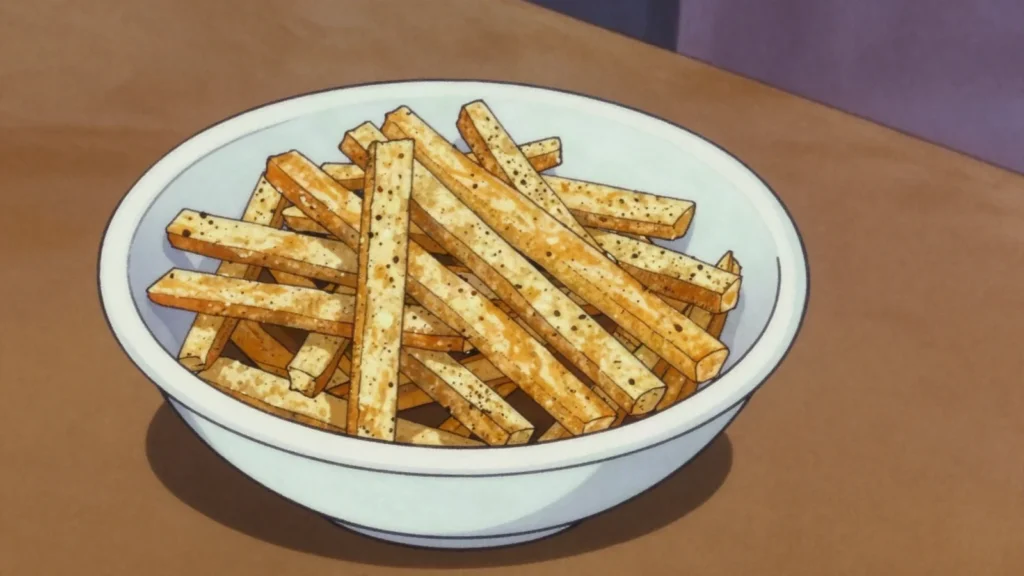
- Cut it into lengths of about ten centimetres. Thin sticks are what makes them crisp. Set them on lined baking trays. Leave a little space between them. Baking them takes two separate stages.
- Heat the oven to 180C before baking. Bake them for about fifteen minutes. They should be pale gold and puffed slightly. Leave them in for another fifteen minutes. Judging them takes a proper test. Take one out and let it cool completely. It should break with a sharp clean snap.
- Return them to the low oven for ten minutes. It should be dry all the way through. Leave them on the trays to cool. Never put warm sticks into a container. Put them in an airtight jar or tin. They keep three weeks or more.
Technique
- Piru means thin or skinny in Guarani, and the name distinguishes these dry keeping sticks from ordinary soft chipa.
- Cassava starch is the extracted pure starch and behaves quite differently from cassava flour, which is the whole dried root ground up.
- The second low-temperature bake is what dries the sticks out and gives them their lasting crunch.
Substitutions
- Tapioca starch sold in Asian shops is the same product as almidon de mandioca.
- A dry mild cheddar, aged gouda or parmesan all stand in for Paraguay cheese.
Variations
- Some makers add aniseed or cumin to the dough.
- A version twisted into rings rather than sticks is also sold.
- Ordinary chipa, soft and eaten fresh, is made from the same starch.
History
A dry keeping version of chipa, sold in bags at bus terminals and corner shops.
Frequently asked questions
What is Chipa piru?
Chipa piru is a snack from Paraguay: thin crunchy sticks of cassava-starch and cheese dough. A dry keeping version of chipa, sold in bags at bus terminals and corner shops.
How long does Chipa piru take to make?
Chipa piru takes 30 minutes of preparation and 30 minutes of cooking. The recipe makes about 40 sticks. It is rated medium to make.
What can I substitute in Chipa piru?
Yes, within limits. Tapioca starch sold in Asian shops is the same product as almidon de mandioca. A dry mild cheddar, aged gouda or parmesan all stand in for Paraguay cheese.
What is the most important thing to get right in Chipa piru?
Return them to the low oven for ten minutes. It should be dry all the way through. Leave them on the trays to cool. Never put warm sticks into a container. Put them in an airtight jar or tin. They keep three weeks or more.