
Ingredients
Dough
- 500 gplain flour
- 300 gpapelón or panela, grated
- 200 mlwater
- 100 gbutter or lard, melted
- 1egg
- 1 tspbicarbonate of soda
- 1 tspbaking powder
- 2 tspground cinnamon
- 1 tspground cloves
- 1 tspground aniseed
- ½ tspgrated nutmeg
- ½ tspsalt
- zest of 1 lemon
Directions
- Melt the papelón in the water over a low heat, stirring until it has dissolved completely into a dark syrup, then leave it to cool to lukewarm. Added to the flour cold and lumpy it never disperses, and the cookies bake out streaked light and dark.
- Mix the flour with the bicarbonate of soda, baking powder, cinnamon, cloves, aniseed, nutmeg, salt and lemon zest.
- Pour in the syrup, the melted butter and the egg and bring it all together into a soft, sticky, very dark dough.
- Rest it for 30 minutes so the flour hydrates and the dough becomes workable rather than tacky.
- Roll it out on a floured surface to about 8 mm thick, which is noticeably thicker than an ordinary biscuit, because a catalina should be soft and cakey in the middle rather than snapping.
- Cut into rounds about 8 cm across and set them well apart on lined trays.
- Bake at 180°C (355°F) for 12 to 15 minutes, until risen and set but still soft to a light press in the centre.
- They will not look done when they are done. Take them out anyway, because they firm considerably as they cool and a catalina baked until firm in the oven is a hard biscuit.
- Cool completely on the tray, then store in a tin, where they stay soft for several days.
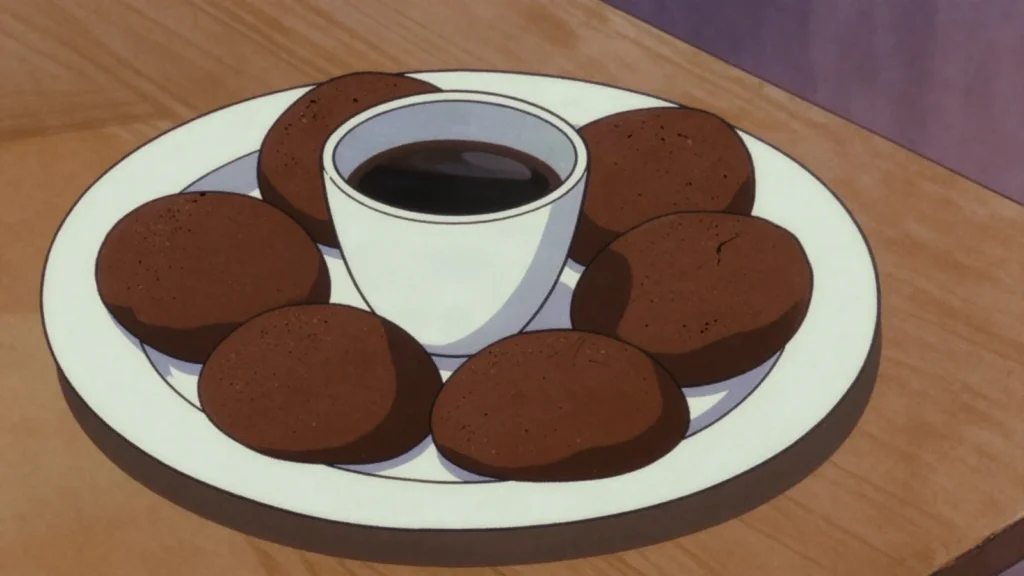
- Eat with black coffee or a glass of cold milk.
Technique
- Soft in the middle is the target. This is a cake in cookie form rather than a biscuit.
- Papelón is unrefined whole cane sugar and it carries most of the flavour. Refined brown sugar gives a much flatter result.
- They are called paledonia in eastern Venezuela, and sold everywhere from bakeries to bus stations.
Substitutions
- Dark muscovado with a tablespoon of molasses added, in place of papelón.
- Lard rather than butter, which is the older and slightly shorter version.
Variations
- With a spoonful of cocoa added to the dry ingredients.
- Made large, at 12 cm across, which is how they are sold singly.
- With a little grated ginger in the dough.
History
A cheap everyday sweet also called paledonia in the east; sold in bakeries and bus stations.
Frequently asked questions
What is Catalinas?
Catalinas is a bread & pastry from Venezuela: dark round cookies of wheat flour, papelón and spices. A cheap everyday sweet also called paledonia in the east; sold in bakeries and bus stations.
How long does Catalinas take to make?
Catalinas takes 20 min plus 30 min resting of preparation and 15 min of cooking. The recipe makes 18 cookies. It is rated easy to make.
What can I substitute in Catalinas?
Yes, within limits. Dark muscovado with a tablespoon of molasses added, in place of papelón. Lard rather than butter, which is the older and slightly shorter version.
What is the most important thing to get right in Catalinas?
Melt the papelón in the water over a low heat, stirring until it has dissolved completely into a dark syrup, then leave it to cool to lukewarm. Added to the flour cold and lumpy it never disperses, and the cookies bake out streaked light and dark.