
Ingredients
The wash
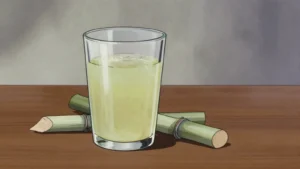
- 60 kgfresh sugarcane, cut and crushed to yield about 40 litres of juice
- water, only if the juice is very thick
- no added yeast in the traditional method; the wild yeasts on the cane skin do the work
Traditional equipment
- 1hand-cranked cane mill or wooden press
- 1open wooden or plastic fermenting vat
- 1copper or steel pot still with a coiled condenser cooled by running water
- 1hydrometer, if you have one, and a clean glass for collecting cuts
To serve
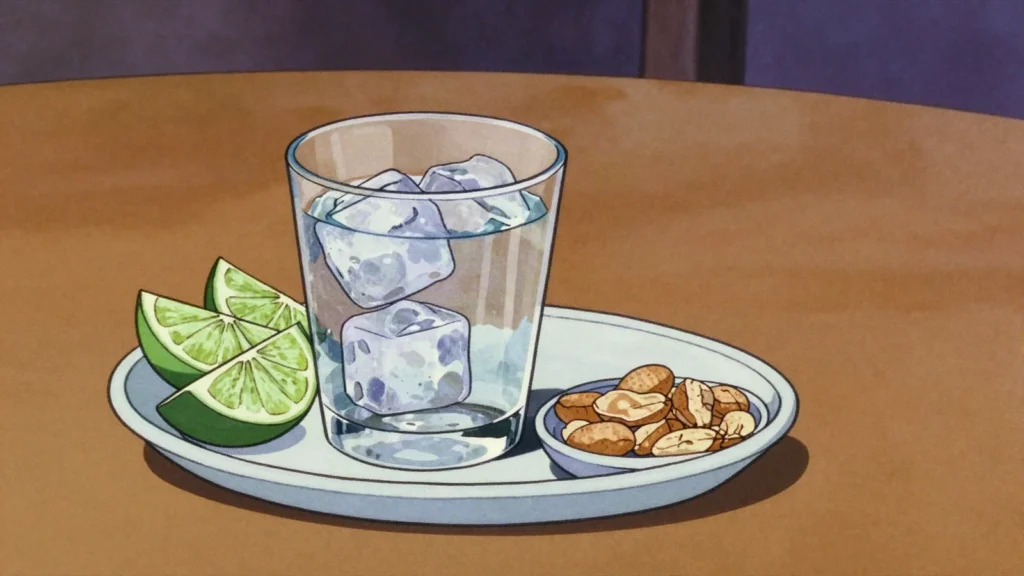
- 50 mlcaporroto per glass
- lime wedges
- ice
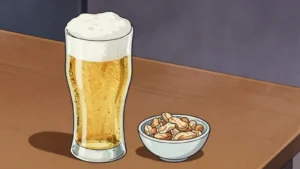
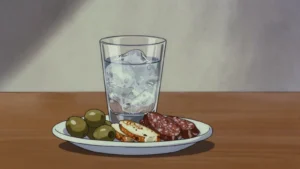
- roasted peanuts or grilled plantain alongside
Directions
- Cut the cane at full ripeness and press it the same day; the juice sours within hours in the heat.
- Crush the stalks through the mill twice, straining the green juice through cloth to remove fibre and grit.
- Pour the juice into an open vat, cover with cloth against insects, and leave it in the shade at 28–32°C (80–90°F).
- Fermentation starts within hours from the wild yeasts on the cane. It froths hard on days one and two, then quietens; by day four or five the foam has fallen, the liquid smells of sour cider and the sweetness is gone. That wash is about 6–8% alcohol.
- Charge the still with the wash, leaving a third of the pot empty, and heat it slowly over a wood fire.
- Discard the first 200 ml or so that comes off each run. These heads carry methanol and acetone, and cutting them badly is what makes back-yard spirit dangerous.
- Collect the heart of the run, the clear, sweet-smelling fraction, until the distillate falls to about 40% alcohol on the hydrometer or tastes flat and cardboard-like on the tongue.
- Stop there, keep the weak tails separately for the next batch, and rest the spirit in glass for a few weeks to let the sharpness settle.
- Serve neat at room temperature in a small glass, or over ice with lime, alongside roasted peanuts or grilled plantain.
Technique
- Distilling spirit at home is illegal without a licence in most countries, and unsafe without the right equipment and knowledge. This describes how caporroto is actually made in rural Angola. Read it as an account of the craft, not an instruction to build a still.
- The real danger of village spirit is not the alcohol but bad cuts and bad vessels. Heads must be discarded, and stills soldered with lead or run through car radiators have poisoned drinkers across the region.
- Caporroto is unaged and unfiltered, so it carries strong cane and grassy notes. It is close kin to Brazilian cachaca and to the aguardente of Angola’s Portuguese period, and is usually sold in reused bottles at markets rather than commercially.
Substitutions
- To taste the style legally, buy an unaged cachaca or a rhum agricole blanc: both are distilled from fresh cane juice rather than molasses and are the nearest commercial equivalents.
- For a non-alcoholic cane drink from the same raw material, simply chill the pressed juice with lime and drink it within a day, as caldo de cana.
Variations
- Caporroto infused for weeks with jindungo chillies and garlic, drunk as a bracer.
- Sweetened with honey and lemon into a domestic cold remedy.
- Mixed with mucua pulp and sugar as a rough market cocktail.
History
Distilled in Angolan villages from cane grown along the rivers, sold in reused bottles and drunk neat.
Frequently asked questions
What is Caporroto?
Caporroto is a wine & spirit from Angola: rough clear spirit distilled from fermented sugarcane juice. Distilled in Angolan villages from cane grown along the rivers, sold in reused bottles and drunk neat.
How long does Caporroto take to make?
Caporroto takes 3 hr of pressing of preparation and 5 days fermenting plus distillation of cooking. The recipe makes about 4 litres of spirit from 40 litres of cane juice. It is rated hard to make.
What can I substitute in Caporroto?
Yes, within limits. To taste the style legally, buy an unaged cachaca or a rhum agricole blanc: both are distilled from fresh cane juice rather than molasses and are the nearest commercial equivalents. For a non-alcoholic cane drink from the same raw material, simply chill the pressed juice with lime and drink it within a day, as caldo de cana.
What is the most important thing to get right in Caporroto?
The real danger of village spirit is not the alcohol but bad cuts and bad vessels. Heads must be discarded, and stills soldered with lead or run through car radiators have poisoned drinkers across the region.