
Ingredients
Pasta
- 400 gtonnarelli or spaghetti
- salt, for the water
Sauce
- 200 gPecorino Romano, very finely grated
- 2 tbspblack peppercorns, coarsely cracked
Directions
- Grate the pecorino as finely as you possibly can, on a Microplane if you have one. Coarsely grated cheese will not dissolve and clumps into strings instead of becoming a sauce.
- Crack the peppercorns coarsely in a mortar and toast them in a dry wide pan for about a minute, until they smell sharp and floral. Pre-ground pepper contributes almost nothing here.
- Boil the pasta in less water than usual and salt it only lightly. Less water means starchier water, and that starch is the only emulsifier this sauce has: there is no cream, no butter and no oil in it.
- Ladle a little of the pasta water into the pepper pan and let it bubble down to a thin syrup.
- In a separate bowl, off the heat, work the grated pecorino with a few tablespoons of pasta water into a thick, smooth paste, like a loose icing.
- Drain the pasta two minutes short of al dente, keeping plenty of the water, and finish it in the pepper pan with a splash more.
- Now take the pan completely off the heat and wait for it to stop sizzling before the cheese goes anywhere near it.
- This is the single point at which the dish is lost. Pecorino added to a hot pan seizes into rubbery strands within seconds and there is no bringing it back.
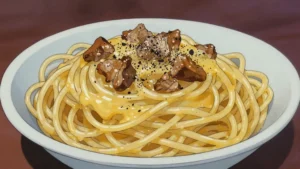
- Add the cheese paste and toss hard, adding splashes of pasta water until the sauce turns glossy and clings to every strand.
- Serve at once in warmed bowls, with more cracked pepper over the top.
Technique
- Off the heat, finely grated, starchy water. Three rules, and the first is the one everyone breaks.
- It was Roman shepherds’ food, because pecorino and peppercorns both kept well on transhumance and needed nothing else.
- Warm the bowls. A cold bowl thickens the sauce and breaks it on the way to the table.
Substitutions
- Half pecorino and half parmesan, which is gentler and considerably more forgiving, though a Roman would not call it cacio e pepe.
- Bucatini or rigatoni, both of which hold the sauce well.
Variations
- Gricia, which is this plus guanciale.
- Carbonara, which is gricia plus egg yolk.
- With a spoonful of the cheese paste chilled first, which makes the emulsion more stable for a nervous cook.
History
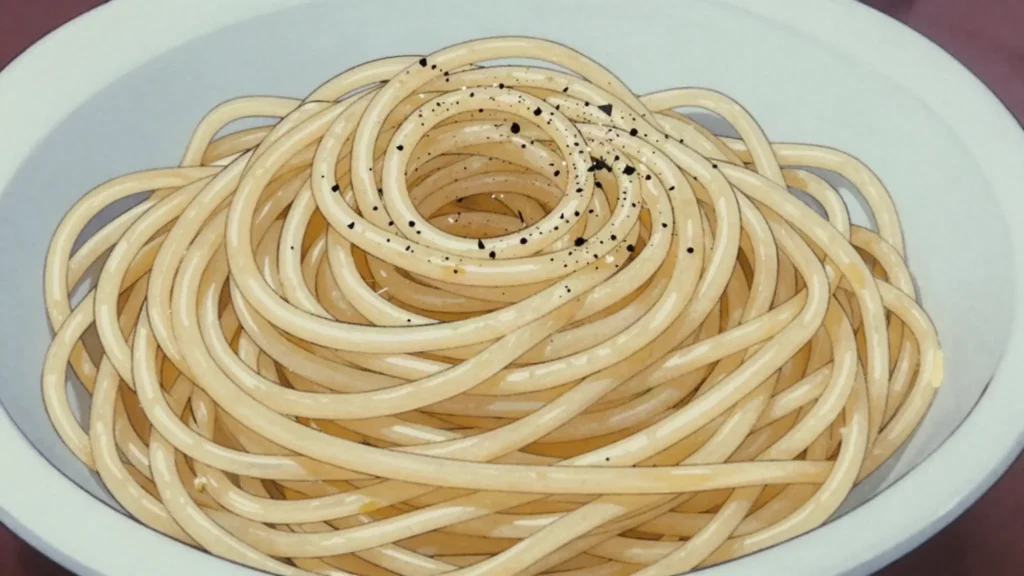
Pasta tossed with a sauce made from just two ingredients, Pecorino Romano cheese and coarsely ground black pepper, emulsified using the pasta’s own starchy cooking water, developed in Rome and considered one of the city’s four defining pasta dishes alongside carbonara, amatriciana and gricia. Its extreme simplicity, requiring only cheese, pepper and pasta water to create a smooth, glossy sauce, makes cacio e pepe deceptively difficult to execute correctly, since the cheese can easily clump or separate without precise temperature control and technique, making it widely regarded by chefs as one of the truest tests of fundamental pasta cooking skill. Cacio e pepe remains one of the most iconic dishes of traditional Roman cuisine.
Frequently asked questions
What is Cacio e pepe?
Cacio e pepe is a main from Italy: pecorino and black pepper pasta, Roman trattoria staple. Pasta tossed with a sauce made from just two ingredients, Pecorino Romano cheese and coarsely ground black pepper, emulsified using the pasta’s own starchy cooking water, developed in Rome and considered one of the city’s four defining pasta dishes alongside carbonara, amatriciana and gricia. Its extreme simplicity, requiring only cheese, pepper and pasta water to create a smooth, glossy sauce, makes cacio e pepe deceptively difficult to execute correctly, since the cheese can easily clump or separate without precise temperature control and technique, making it widely regarded by chefs as one of the truest tests of fundamental pasta cooking skill. Cacio e pepe remains one of the most iconic dishes of traditional Roman cuisine.
How long does Cacio e pepe take to make?
Cacio e pepe takes 10 min of preparation and 12 min of cooking. The recipe makes 4 servings. It is rated medium to make.
What can I substitute in Cacio e pepe?
Yes, within limits. Half pecorino and half parmesan, which is gentler and considerably more forgiving, though a Roman would not call it cacio e pepe. Bucatini or rigatoni, both of which hold the sauce well.
What is the most important thing to get right in Cacio e pepe?
Grate the pecorino as finely as you possibly can, on a Microplane if you have one. Coarsely grated cheese will not dissolve and clumps into strings instead of becoming a sauce.