
The Tuscan Sangiovese red once bottled in a straw-covered fiasco. Cosimo III de’ Medici defined the production zone in 1716, among the first anywhere in the world, and Bettino Ricasoli set the grape formula in 1872.
It is a protected appellation with a legally defined blend, grown in a delimited zone and made in a licensed cellar.
What goes into it
- Sangiovese, at least 70 percent
- Canaiolo, Colorino and other permitted varieties
- yeast
- oak
How it is made
Sangiovese is picked, destemmed and fermented on its skins for one to two weeks to draw out colour and tannin, then pressed off and matured in oak — large old botti in the traditional style, small barriques in the modern one. The Classico and Riserva designations set minimum ageing periods.
How long it takes: one vintage a year, then a year or more in wood
How it is eaten
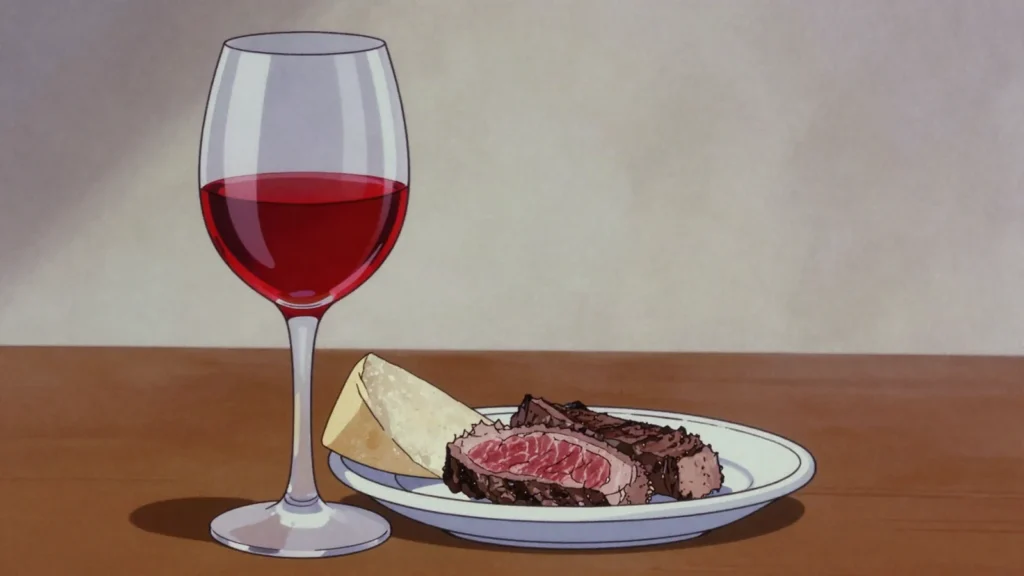
With bistecca alla fiorentina, ragù and pecorino.
History
Cosimo III de’ Medici defined the Chianti production zone in 1716, among the world’s first; Bettino Ricasoli set the grape formula in 1872.
Frequently asked questions
What is Chianti?
Chianti is a wine & spirit from Italy: tuscan Sangiovese red, once bottled in a straw-covered fiasco. Cosimo III de’ Medici defined the Chianti production zone in 1716, among the world’s first; Bettino Ricasoli set the grape formula in 1872.
How is Chianti made?
Sangiovese is picked, destemmed and fermented on its skins for one to two weeks to draw out colour and tannin, then pressed off and matured in oak — large old botti in the traditional style, small barriques in the modern one. The Classico and Riserva designations set minimum ageing periods. It takes one vintage a year, then a year or more in wood.
Can I make Chianti at home?
No, and the atlas gives no method for it. It is a protected appellation with a legally defined blend, grown in a delimited zone and made in a licensed cellar.
What goes into Chianti?
Sangiovese, at least 70 percent, canaiolo, Colorino and other permitted varieties, yeast, oak.
How is Chianti eaten?
With bistecca alla fiorentina, ragù and pecorino.