
Ingredients
Dry
- 1 kgself-raising flour
- or 1 kg plain flour with 4 teaspoons baking powder
- 150 gsugar
- 1 teaspoonsalt
- 1 teaspoonbicarbonate of soda
Wet
- 500 gbutter, melted
- 500 mlbuttermilk
- 2eggs
Sometimes added
- 200 gAll Bran or oat bran
- 100 graisins
- 100 gchopped nuts
- 1 teaspoonaniseed
To serve
- strong coffee
- or rooibos tea
Directions
- Put the flour, sugar, salt and bicarbonate in a bowl. Add the bran if you are using it. Whisk it all together thoroughly. Melt the butter and let it cool a little. Beat the eggs into the buttermilk. Pour the melted butter into that mixture. Combining them needs a light hand. Pour the wet into the dry ingredients.
- Mix it with a spoon until just combined. Stop as soon as no dry flour remains. Add the raisins or nuts now if using them. Shaping them is done in the tin. Butter a large deep baking tin.
- Roll pieces of dough into balls in your hands. Aim for balls about the size of a small egg. Pack them into the tin in rows. They should touch each other on all sides. Press them down gently to level the surface. The tin should be quite full of them.
- Heat the oven to 180C before baking. Bake the tin for about fifty minutes. The top should be golden and firm. Take it out and let it cool a little. Breaking them up is done while warm. Turn the whole slab out onto a board.
- Let it cool for about twenty minutes. They should separate along the joins. Cut any that will not part with a knife. Heat the oven right down to 100C. Spread the pieces on wire racks.
- Leave space between them for air to move. Cut sides should face upwards where possible. Put them in the oven and prop the door open. Let them dry for four to six hours. Turn them once halfway through. Judging when they are dry is essential.
- Take one out and let it cool completely. It should break with a clean sharp snap. Put them back for another hour if so. Let them cool completely on the racks. Never put warm rusks into a container.
Technique
- Voortrekkers baked rusks for long ox-wagon journeys because thoroughly dried bread keeps for months without spoiling.
- The words rusk and biscuit both mean twice-cooked, which describes exactly how they are made.
Substitutions
- Plain flour with baking powder replaces self-raising flour directly.
- Plain yoghurt thinned with milk stands in for buttermilk.
Variations
- Bran rusks made with All Bran are extremely common.
- Some bakers add aniseed, raisins or chopped nuts.
- Mosbolletjie rusks, made with grape must, are a Cape speciality.
History
Voortrekkers baked rusks to survive long ox-wagon journeys, and South Africans still keep a tin beside the kettle.
Frequently asked questions
What is Buttermilk rusks?
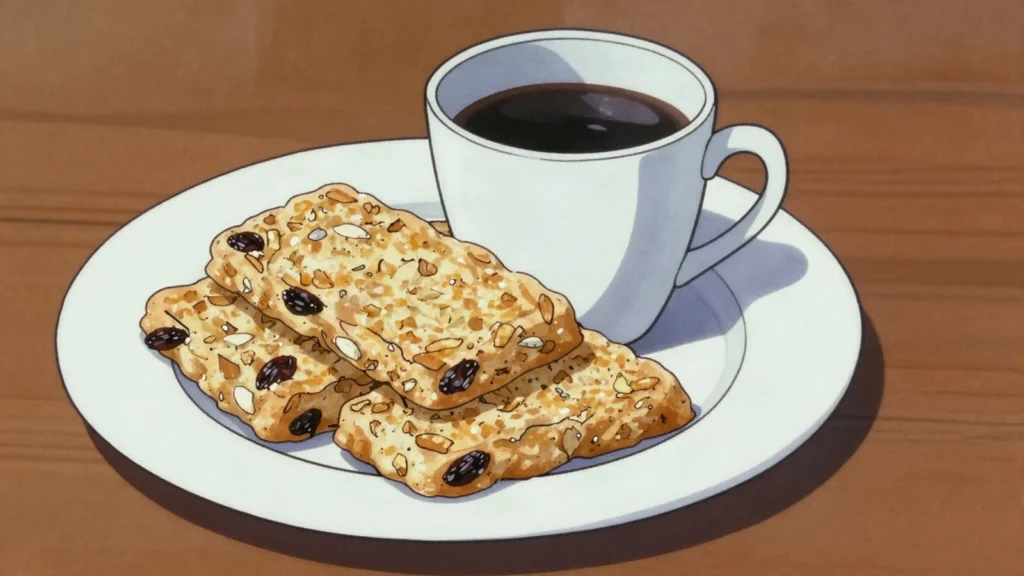
Buttermilk rusks is a bread & pastry from South Africa: twice-baked dry biscuits dunked in morning coffee. Voortrekkers baked rusks to survive long ox-wagon journeys, and South Africans still keep a tin beside the kettle.
How long does Buttermilk rusks take to make?
Buttermilk rusks takes 30 minutes of preparation and 5 hours, mostly drying of cooking. The recipe makes about 40 rusks. It is rated medium to make.
What can I substitute in Buttermilk rusks?
Yes, within limits. Plain flour with baking powder replaces self-raising flour directly. Plain yoghurt thinned with milk stands in for buttermilk.
What is the most important thing to get right in Buttermilk rusks?
Heat the oven to 180C before baking. Bake the tin for about fifty minutes. The top should be golden and firm. Take it out and let it cool a little. Breaking them up is done while warm. Turn the whole slab out onto a board.