
Ingredients
The tuna
- 2 tinstuna
- about 400 g total
- in oil or in brine
- drained
- SolTuna or another Pacific brand
The base
- 1large onion, sliced
- 2 clovesgarlic, chopped
- 2 tablespoonsoil
- or coconut oil
- 2tomatoes, chopped
- or 1 tablespoon tomato purée
- 1chilli, chopped, optional
The vegetables
- half a cabbage, shredded
- or 300 g slippery cabbage
- aibika, if you can get it
- 1carrot, grated, optional
- a handful of greens
The seasoning
- salt and black pepper
- a squeeze of lime or lemon
- a splash of soy sauce, optional
- 100 mlcoconut milk, optional
To serve
- steamed white rice
- or boiled cassava
- or sweet potato
- or plain white bread
Directions
- Check a current sustainability guide if it matters to you. Check your own country’s advice if it applies to you. Drain the tuna and reserve the liquid. Do not throw the oil away automatically.
- Flake the tuna roughly with a fork. Leave some larger pieces for texture. Add the sliced onion with a pinch of salt. Cook it until soft and lightly golden. That takes about eight minutes over medium heat.
- Add the garlic for the last two minutes. Add the chilli now if you are using it. Add the chopped tomatoes or the purée.
- Cook them down until they collapse. That takes about five to eight minutes. Stir the cabbage into the tomato base. Add a splash of water to help it steam.
- Cover the pan for about five minutes. The cabbage should soften but keep some bite. Add the grated carrot if you are using it.
- Add it near the end rather than early. Long cooking makes it dry and stringy. Add the coconut milk now if using it. Simmer it briefly to warm it through. Do not boil coconut milk hard, since it splits.
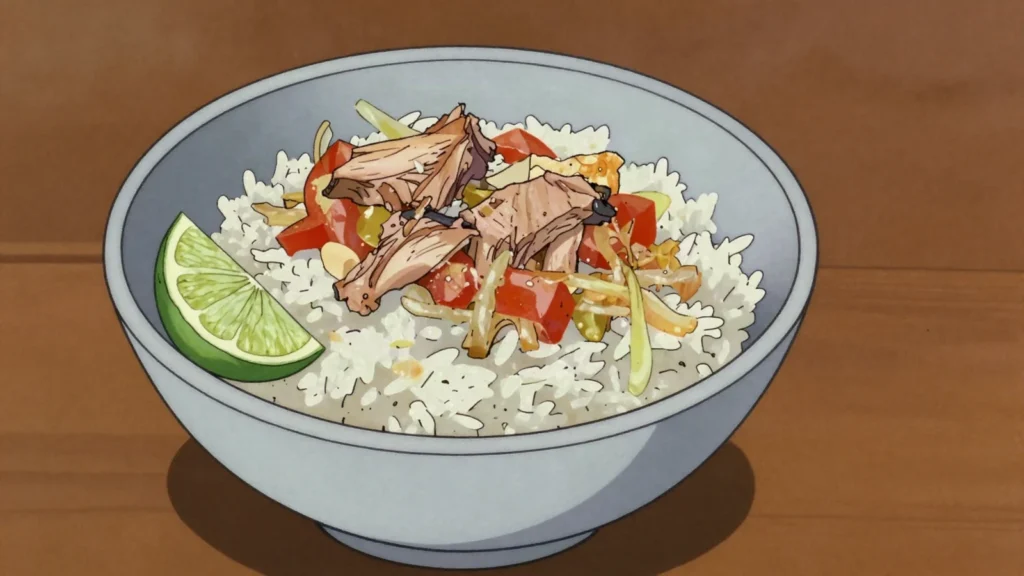
- Season with salt and plenty of black pepper. Add a splash of soy sauce for depth. Squeeze over lime or lemon at the very end. Taste it and adjust the seasoning. Serve it hot over steamed white rice. The dish takes about twenty minutes in total.
Technique
- This is not an old traditional dish and the atlas does not pretend otherwise. It is what people in Solomon Islands towns actually eat, and a food atlas that records only historic dishes gives a false picture of how a country eats.
- The tin matters because refrigeration is unreliable or absent across a scattered archipelago of hundreds of islands. Fresh fish must be eaten the day it is caught; a tin waits on a shelf for months. That practical fact shaped island eating more than any recipe did.
- The Solomon Islands sits in the world’s largest tuna fishery, most of it worked by distant foreign fleets paying licence fees. The Parties to the Nauru Agreement negotiate those collectively and that has given Pacific states real bargaining power, but most of the value still leaves the region. SolTuna at Noro is an exception that processes locally and is one of the country’s largest employers, particularly of women.
- Pacific tinned tuna is usually skipjack, a small fast-growing species generally considered the least threatened of the tunas. Larger species, bluefin especially, are far more heavily depleted. Stock assessments change and differ by ocean, so check a current guide rather than this page.
- Tuna accumulates mercury, and larger longer-lived species carry more than skipjack. National health authorities publish guidance, particularly for pregnant women and young children. The atlas quotes no figures — check your own country’s advice if it applies to you.
- Add the tuna near the end. It is already cooked, and simmering it turns it dry and stringy.
- The squeeze of lime at the end is what separates a flat dish from a good one. Do not skip it.
Substitutions
- Any tinned tuna replaces SolTuna; tuna in oil gives a richer result and tuna in brine a lighter, saltier one.
- Tinned mackerel replaces tuna directly and is what is used in the closely related Papua New Guinean dish.
- Ordinary cabbage replaces slippery cabbage, or aibika, which is the local green and is sold frozen by some Pacific grocers.
- Coconut oil replaces plain oil and is what is used across the islands.
- Coconut milk is optional; it makes a richer, saucier dish and is genuinely common.
- Boiled cassava or sweet potato replaces rice and is the locally grown alternative.
Variations
- Tinpis in Papua New Guinea is essentially the same dish, usually made with tinned mackerel.
- A version cooked entirely in coconut milk, with no tomato at all, is made across the islands and is richer and milder.
- Tinned tuna eaten straight from the tin with plain rice and soy sauce is the fastest and most common version of all.
- A version baked in banana leaf with coconut cream and greens, closer to traditional cooking, is made for gatherings.
- Tinned fish curry, with imported curry powder, is common in shops and homes across the Pacific.
- Fresh tuna cooked the same way is what village households do when the catch is good.
History
The SolTuna cannery at Noro processes catch from Solomon waters and is one of the country’s largest employers, sending tins to every island store.
Frequently asked questions
What is Tinned Tuna?
Tinned Tuna is a main from Solomon Islands: canned local tuna eaten with rice or cabbage, the everyday protein of town life. The SolTuna cannery at Noro processes catch from Solomon waters and is one of the country’s largest employers, sending tins to every island store.
How long does Tinned Tuna take to make?
Tinned Tuna takes 10 minutes of preparation and 15 minutes of cooking. The recipe makes serves 4. It is rated easy to make.
What can I substitute in Tinned Tuna?
Yes, within limits. Any tinned tuna replaces SolTuna; tuna in oil gives a richer result and tuna in brine a lighter, saltier one. Tinned mackerel replaces tuna directly and is what is used in the closely related Papua New Guinean dish. Ordinary cabbage replaces slippery cabbage, or aibika, which is the local green and is sold frozen by some Pacific grocers. Coconut oil replaces plain oil and is what is used across the islands. Coconut milk is optional; it makes a richer, saucier dish and is genuinely common. Boiled cassava or sweet potato replaces rice and is the locally grown alternative.
What is the most important thing to get right in Tinned Tuna?
Check a current sustainability guide if it matters to you. Check your own country’s advice if it applies to you. Drain the tuna and reserve the liquid. Do not throw the oil away automatically.