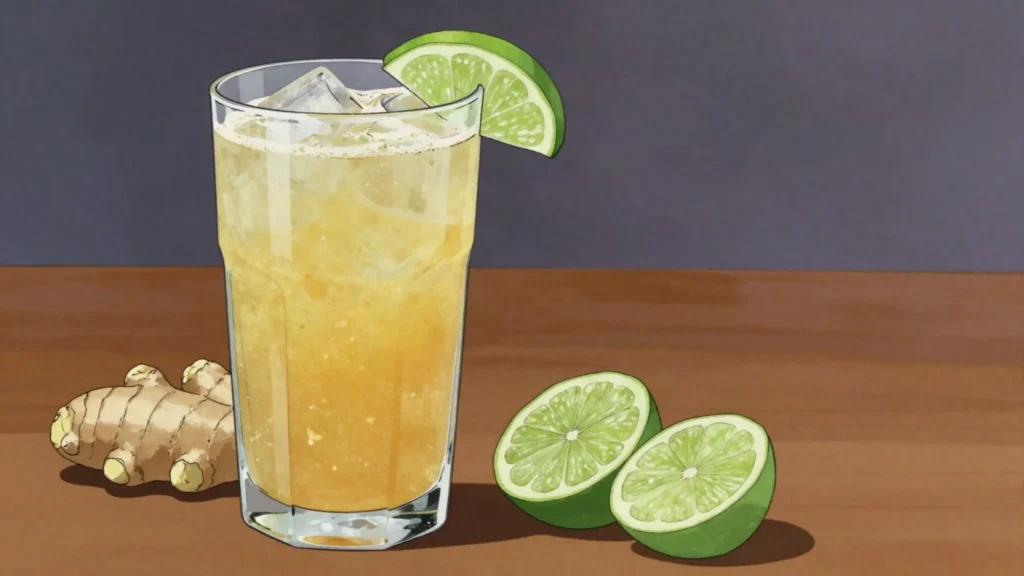

Ingredients
The ginger
- 400 gfresh ginger root
- firm, with taut unwrinkled skin
- or up to 600 g for a fiercer drink
- 1.5 litrescold water
- filtered or previously boiled
The sweetening
- 200 gwhite sugar
- or to taste
- or 200 ml honey
- or 150 g cane sugar
Commonly added
- juice of 3 limes
- or juice of 2 lemons
- 1whole pineapple, skin and core
- washed thoroughly
- half a teaspoon ground cloves
- or 6 whole cloves
Sometimes added
- 1 stickcinnamon
- a few crushed cardamom pods
- a pinch of ground black pepper
- a little grated nutmeg
Equipment
- a blender or a fine grater
- a fine sieve or muslin cloth
- clean glass bottles with lids
- sterilised in boiling water
Directions
- Start with less ginger if you are new to it. Choose ginger that is firm and heavy in the hand. Wash the ginger thoroughly under running water. If you do peel it, scrape with a teaspoon edge. Chop the ginger roughly into small pieces. Put the ginger into a blender with some of the water. Use about half the water for the first blending.
- Blend it hard until the ginger is completely broken up. This takes a good two minutes in most blenders. Add the remaining water and blend again briefly. If you have no blender, grate the ginger finely.
- Use the fine side of a box grater for this. Grate over a bowl so you catch all the juice. Now add the pineapple if you are using it. Wash the whole pineapple thoroughly first. The skin is used, so it must be genuinely clean.
- Cut off the leafy top and discard that part. Chop the whole fruit including the skin and core. Blend it with a little water until broken down. Combine the ginger slurry and pineapple in a pot. Add the cloves and any other whole spices now.
- Bring the mixture slowly to a gentle simmer. Do not let it boil hard for a long time. Simmer it gently for about ten minutes only. Cold-steeped tangawisi tastes fresher and sharper.
- Take the pot off the heat and let it cool. Let it steep as it cools for an hour at least. Line the sieve with muslin for a clearer juice. Set it over a large clean bowl or a jug. Pour the mixture through in several batches.
- Press the pulp firmly with the back of a spoon. Squeeze the muslin hard to get every last drop. Most of the heat is trapped in that wet pulp. Add the sugar while the liquid is still warm. Warm liquid dissolves sugar far more easily. Stir until no grains remain at the bottom. If cold, dissolve the sugar in hot water first.
- Make a simple syrup and stir that in instead. Taste it and adjust the sweetness carefully. Add it at the end rather than during cooking. Heat destroys the fresh brightness of citrus. Taste again and add more citrus if you want. The sourness should balance the sugar and heat.
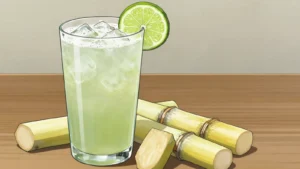
- Pour the finished juice into clean bottles. Let them dry upside down on a clean cloth. Use clean glass at home and refrigerate it. Chill the bottles for at least three hours. Tangawisi is always drunk very cold indeed.
- Warm tangawisi is genuinely hard to swallow. Shake the bottle before pouring each glass. Serve it in a glass over plenty of ice. It keeps for about four days in the fridge. Discard it if it smells sour or begins to fizz. If you did not intend it, throw the batch away.
Technique
- Tangawisi is widely described as medicinal in the Congo, and that belief is a real part of the drink’s place in daily life. The atlas records it as a belief and makes no health claim of its own. Anyone taking medication, particularly blood thinners, should ask a pharmacist rather than a recipe page.
- Street tangawisi is often far stronger than a first-time drinker expects. Starting with 400 g of ginger rather than 600 g gives something you can actually finish, and the next batch can be fiercer.
- The pineapple skin and core carry most of the aroma, which is why thrifty cooks use them and eat the flesh separately. The fruit must be scrubbed properly, since the skin is going into the drink.
- This is an unpreserved fresh juice. Sterilised glass bottles and constant refrigeration are what keep it drinkable for four days; reused unwashed plastic is the main reason street batches spoil.
- Fizzing in the bottle means wild fermentation has begun. Some households allow this deliberately and end up with a lightly alcoholic drink. If it was not intended, discard the batch.
- Heating the mixture makes it keep longer and taste rounder; leaving it cold-steeped keeps it sharper and fresher. Both are made and neither is wrong.
Substitutions
- Honey replaces sugar and gives a rounder, slightly floral sweetness. Add it once the liquid has cooled a little.
- Lemon replaces lime directly, though lime is more usual in Kinshasa.
- Pineapple can be left out entirely for a plain, fiercer ginger juice. Some vendors sell it exactly that way.
- Whole cloves replace ground cloves; use about six and strain them out.
- Young ginger makes a much gentler drink if the mature root is too fierce for you.
- Cane sugar or unrefined brown sugar gives a darker, more molasses-like sweetness.
Variations
- Nigerian and Ghanaian ginger drinks are close relatives, usually spiced with cloves and sometimes with chilli.
- A fermented version develops naturally if the bottled juice is left warm, producing a lightly alcoholic drink that some households make on purpose.
- Some Kinshasa vendors add a little chilli, which pushes the heat further still.
- A version blended with baobab fruit pulp appears in some markets and is thicker and more sour.
- Tangawisi is sometimes mixed into palm wine or into beer, which is a bar drink rather than a household one.
- The strained juice is also used as a marinade base for grilled fish and chicken.
History
Ginger drink whose name comes from the Swahili tangawizi; Kinshasa vendors sell it fiery and sweetened in reused bottles.
Frequently asked questions
What is Tangawisi?
Tangawisi is a drink from DR Congo: pungent ginger juice, prized as medicinal. Ginger drink whose name comes from the Swahili tangawizi; Kinshasa vendors sell it fiery and sweetened in reused bottles.
How long does Tangawisi take to make?
Tangawisi takes 25 minutes of preparation and 10 minutes of cooking. The recipe makes makes about 1.5 litres. It is rated easy to make.
What can I substitute in Tangawisi?
Yes, within limits. Honey replaces sugar and gives a rounder, slightly floral sweetness. Add it once the liquid has cooled a little. Lemon replaces lime directly, though lime is more usual in Kinshasa. Pineapple can be left out entirely for a plain, fiercer ginger juice. Some vendors sell it exactly that way. Whole cloves replace ground cloves; use about six and strain them out. Young ginger makes a much gentler drink if the mature root is too fierce for you. Cane sugar or unrefined brown sugar gives a darker, more molasses-like sweetness.
What is the most important thing to get right in Tangawisi?
Use the fine side of a box grater for this. Grate over a bowl so you catch all the juice. Now add the pineapple if you are using it. Wash the whole pineapple thoroughly first. The skin is used, so it must be genuinely clean.