
Ingredients
The hen
- 1free-range hen
- gallina india, about 2 kg
- jointed
- or a mature boiling fowl
- 3 litreswater
The broth
- 2onions, quartered
- 1 headof garlic, halved
- 1sweet pepper, chopped
- 3tomatoes, chopped
- a bunch of coriander stalks
- 2bay leaves
- 1 teaspoonground cumin
- salt and black pepper
The vegetables
- 2chayotes, cubed
- or courgette
- 3carrots, thickly sliced
- 2corn cobs, in rounds
- 2green plantains, in chunks
- 3potatoes, halved
To serve
- steamed white rice
- lime wedges
- chopped coriander
- warm tortillas
- hot sauce, optional
Directions
- Keep raw and cooked poultry well apart. Wash hands, boards and knives after raw poultry. Do not rinse raw chicken under the tap.
- Cool leftover soup quickly before refrigerating. Divide it into smaller containers to cool it. Joint the hen into serving pieces. Cut it into eight or ten pieces. Keep the bones in rather than boning it. Trim off large lumps of it before cooking. Some fat is good and should stay on. Put the hen in a large pot with cold water.
- Start it in cold rather than boiling water. Cold water draws more flavour out of the bird. Bring it slowly up to a simmer. Skim the grey scum as it first comes to heat. Scum rises steadily for the first ten minutes.
- Lift it off carefully with a spoon. Discard it rather than stirring it back in. Add the onion, garlic, bay and coriander stalks. Add them after you have finished skimming. Leave the garlic head halved rather than peeled. Use the stalks rather than the leaves here. Keep the leaves back for finishing the bowls.
- Simmer the hen gently for about two hours. A yard hen genuinely needs that long. Keep it at a bare simmer rather than a boil. Check the water level every half hour. Top it up with hot water as it reduces. The bird should stay covered throughout. Add the tomato and sweet pepper partway through.
- Add them about an hour into the cooking. An hour of cooking is quite enough for them. Add the plantain and carrot for the last forty minutes. Green plantain takes a good while to soften.
- Cut them into large chunks rather than small. Add the chayote, corn and potato for the last half hour. Thirty minutes cooks them right through. Cut the cobs into rounds about four centimetres thick. Use a heavy knife and a firm board for that. Take genuine care with that cutting. Season the broth with salt, pepper and cumin.
- Taste it carefully near the end of the cooking. A large pot of broth needs a good deal of salt. Add it gradually and keep tasting. A teaspoon for this quantity is about right. Add it with the vegetables so it cooks in. Skim the fat from the surface before serving. Lift it off with a ladle or a spoon. Leave a little, since it carries flavour. Too much makes the broth unpleasantly greasy.
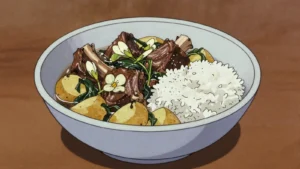
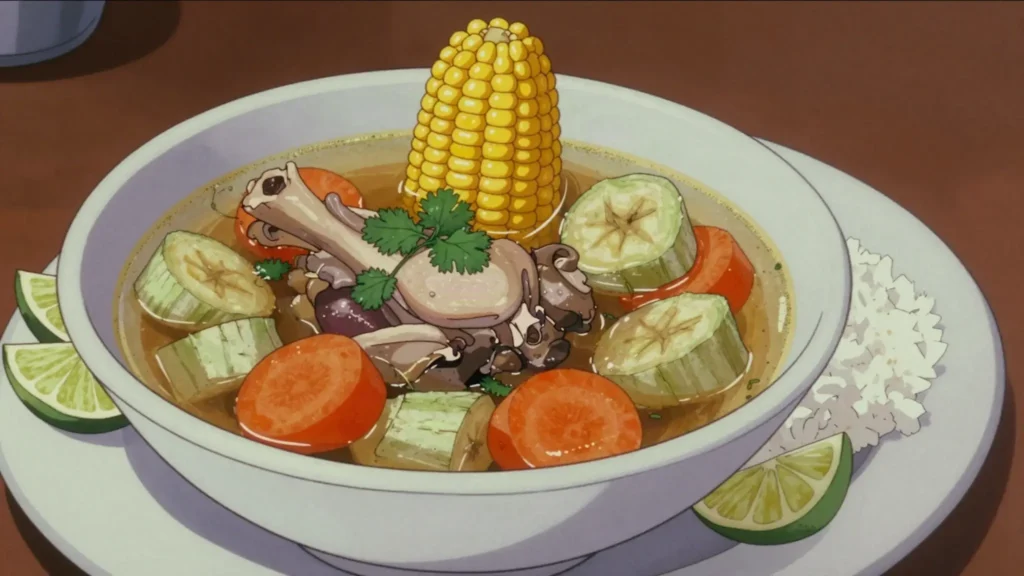
- Ladle broth, meat and vegetables into deep bowls. Add a share of each vegetable as well. Serve steamed white rice alongside the bowls. Scatter chopped coriander over each bowl. Use the leaves you kept back from the stalks.
- Add them at the last moment before serving. They wilt immediately in the hot broth. Put lime wedges on the table with the bowls. Serve warm tortillas alongside the soup. Warm them briefly before serving them. It keeps three days refrigerated in a covered bowl.
Technique
- A gallina india is a mature yard hen rather than a grill, and it genuinely needs two hours or more of simmering — a supermarket chicken needs about forty minutes. Those are different cooking problems, so judge it by the bird rather than the clock. A boiling fowl is the nearest supermarket equivalent; an ordinary chicken makes a lesser but still worthwhile soup.
- This soup is given to the sick and to women after childbirth in El Salvador, which is a genuine and widespread tradition. The atlas records that as tradition rather than medicine and makes no medical claims — a hot nourishing broth being comforting is uncontroversial enough on its own.
- Do not rinse raw poultry under the tap, which splashes bacteria around the kitchen; pat it dry with paper if needed. Cool leftover soup quickly by dividing it into smaller containers, since a large pot cools very slowly.
Substitutions
- Courgette replaces chayote, called güisquil in El Salvador, which is a mild firm green squash that holds its shape. Use green plantain rather than ripe: green is starchy and used as a vegetable, while ripe simply dissolves in the pot.
- Rice is served separately rather than cooked in the soup — each eater adds it to their bowl, or the soup is ladled over a plate of rice; both are genuinely done in Salvadoran homes.
Variations
- Start the hen in cold water rather than boiling and bring it slowly to a simmer, which draws more flavour out, and skim the grey scum for the first ten minutes before the aromatics go in — adding them earlier makes skimming much harder. Keep it at a bare simmer, since hard boiling makes the broth cloudy and the meat stringy.
- Add the vegetables in stages: tomato and sweet pepper about an hour in, plantain and carrot for the last forty minutes, and chayote, corn and potato for the last thirty. Cut everything into large chunks rather than small, and take genuine care cutting the corn cobs into rounds, since they are hard and the knife can slip.
- Use the coriander stalks in the broth and keep the leaves back for finishing the bowls, which uses the whole bunch properly. Skim the fat before serving — a mature hen releases a great deal — or chill the soup overnight so it sets solid and lifts off in one piece.
History
Made from tough yard hens rather than farmed chicken; it is Sunday food and the traditional restorative for new mothers and the sick.
Frequently asked questions
What is Sopa de gallina india?
Sopa de gallina india is a soup & stew from El Salvador: free-range hen soup with vegetables, served with rice and lime. Made from tough yard hens rather than farmed chicken; it is Sunday food and the traditional restorative for new mothers and the sick.
How long does Sopa de gallina india take to make?
Sopa de gallina india takes 20 minutes of preparation and 2 hours 30 minutes of cooking. The recipe makes serves 6. It is rated medium to make.
What can I substitute in Sopa de gallina india?
Yes, within limits. Courgette replaces chayote, called güisquil in El Salvador, which is a mild firm green squash that holds its shape. Use green plantain rather than ripe: green is starchy and used as a vegetable, while ripe simply dissolves in the pot. Rice is served separately rather than cooked in the soup — each eater adds it to their bowl, or the soup is ladled over a plate of rice; both are genuinely done in Salvadoran homes.
What is the most important thing to get right in Sopa de gallina india?
Keep raw and cooked poultry well apart. Wash hands, boards and knives after raw poultry. Do not rinse raw chicken under the tap.